




What's Happening?
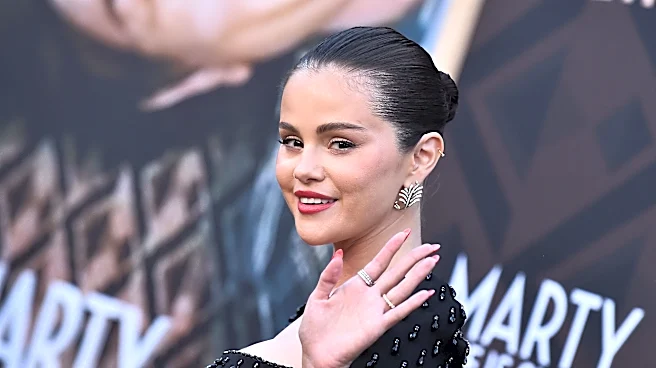
Selena Gomez is actively seeking to dismiss a fraud lawsuit filed against her by investors in her mental health startup, Wondermind. Her legal team, led by attorney Mathew S. Rosengart, filed a motion to dismiss, asserting that the claims against her are
'completely meritless if not frivolous' and 'absurd.' The lawsuit, initiated by investors, alleges that Gomez, her mother Mandy Teefey, and former business partner Daniella Pierson defrauded them by making false promises about Wondermind's infrastructure, leadership, and resources. Investors claim to have put nearly $1.2 million into the company, which launched in 2021, only for it to allegedly collapse. Gomez's attorneys argue that she was not involved in the company's securities offerings, did not communicate with the plaintiffs, and was not in a position to control the company's acts or communications. While Gomez invested in and holds a minority stake in Wondermind, her legal team states she never agreed to and did not manage the company, with management vested in her mother and Pierson as co-CEOs.
Why It's Important?
This lawsuit highlights the increasing scrutiny and potential legal risks associated with celebrity-backed ventures, particularly in rapidly growing sectors like mental health technology. For Selena Gomez, a prominent public figure, the allegations of fraud could impact her reputation and brand, regardless of the lawsuit's outcome. The case also brings into focus the responsibilities of celebrity founders and investors in startups, especially concerning transparency and communication with other investors. The legal battle could set a precedent for how celebrity involvement in business ventures is viewed and regulated, potentially influencing future investment strategies and due diligence processes for both investors and public figures. The outcome will be closely watched by those in the entertainment and business sectors, as it could redefine the perceived value and liability of celebrity endorsement and direct involvement in new companies.
What's Next?
Selena Gomez's legal team will proceed with their motion to dismiss the lawsuit. The court will review the arguments presented by both sides to determine if the claims against Gomez have sufficient legal basis to proceed. Her attorney, Mathew S. Rosengart, has indicated that they are exploring 'other avenues of relief' for Gomez, including potential sanctions against the plaintiffs for what they consider to be her improper inclusion in the lawsuit. This suggests a strong defense strategy aimed not only at dismissal but also at penalizing the plaintiffs for what Gomez's team views as baseless allegations. The legal proceedings will likely involve further filings, hearings, and potentially a ruling on the motion to dismiss, which could either remove Gomez from the case or allow the lawsuit against her to continue.
Beyond the Headlines
Beyond the immediate legal implications, this case touches upon broader themes of trust, accountability, and the influence of celebrity in the startup ecosystem. The allegations of misleading investors about a mental health startup raise ethical questions about the responsibility of public figures to ensure the integrity and operational transparency of ventures they endorse or co-found, especially when dealing with sensitive areas like mental well-being. The lawsuit also underscores the challenges faced by investors in assessing the true value and viability of startups, particularly when a celebrity's name is a significant draw. This situation could lead to increased calls for clearer guidelines and greater due diligence in celebrity-led business ventures, potentially influencing how public figures engage with and promote new companies in the future.