






What's Happening?
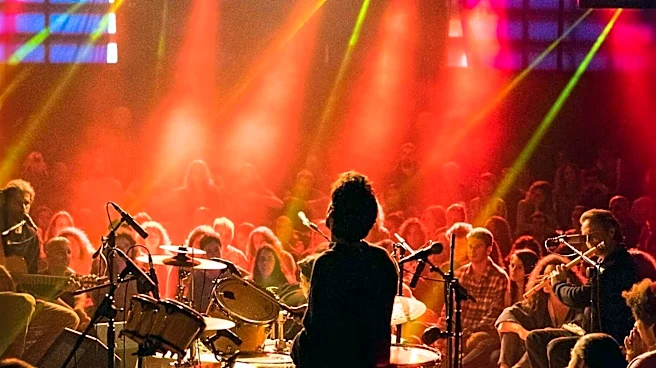
Milwaukee is experiencing a growing trend in mental health treatment, with therapists increasingly incorporating creative techniques into their practices. Creative therapy, which includes methods like art therapy, music therapy, dance and movement therapy, writing
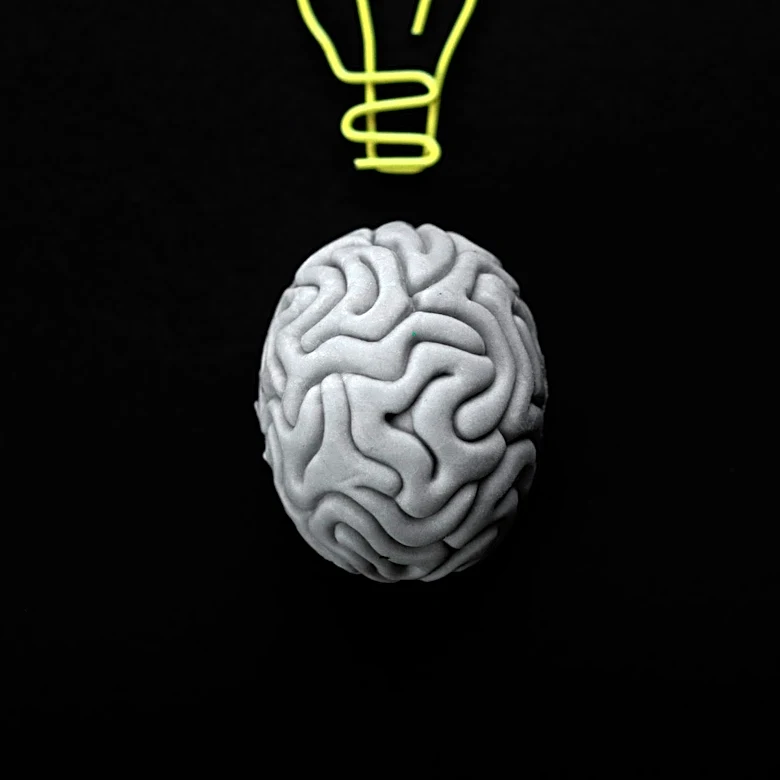
and journaling, and drama and role-play, is gaining momentum as an effective way to address mental health challenges. This approach allows individuals to express feelings that may be difficult to articulate verbally, fostering self-expression, reducing anxiety, boosting self-esteem, and improving brain function. Creative Counseling of Milwaukee, for instance, offers a blend of traditional and creative therapies, emphasizing that healing can occur through multiple channels beyond just conversation. The city's vibrant cultural scene provides a supportive environment for these innovative therapeutic methods, making mental health care more holistic and accessible to its residents.
Why It's Important?
The integration of creative therapy in Milwaukee signifies a broader shift in mental healthcare towards more holistic and personalized approaches. This is important because it offers alternative avenues for healing, particularly for individuals who struggle with verbal expression or find traditional talk therapy less engaging. By tapping into imagination and non-verbal communication, creative therapies can uncover deeper insights and facilitate emotional processing in ways that traditional methods might not. This expansion of therapeutic options can lead to more effective treatment outcomes for a diverse range of mental health conditions, including anxiety, depression, and relationship challenges. For the community, it means increased accessibility to varied mental health support, potentially reducing stigma associated with seeking help and encouraging more people to engage in their wellness journeys through enjoyable and empowering activities.
What's Next?
As creative therapy gains traction in Milwaukee, it is likely that more mental health professionals and organizations will adopt these techniques, leading to an expansion of available services. We can anticipate an increase in specialized workshops, group sessions, and individual therapy options focusing on art, music, dance, and writing as therapeutic tools. There may also be a rise in collaborations between mental health clinics and local art studios or community centers to offer integrated programs. Furthermore, research into the efficacy of these creative methods is expected to grow, providing more evidence-based support for their inclusion in standard mental health care. This trend could also influence mental health policy and funding, potentially leading to greater recognition and reimbursement for creative therapy services, making them more accessible to a wider population in Milwaukee and beyond.
Beyond the Headlines
The embrace of creative therapy in Milwaukee reflects a deeper understanding of the mind-body connection and the multifaceted nature of human well-being. It challenges the traditional medical model of mental health by emphasizing the role of creativity and self-expression in healing. Ethically, this approach promotes patient autonomy and empowerment, allowing individuals to choose therapeutic modalities that resonate with their personal strengths and preferences. Culturally, it leverages the arts as a powerful tool for healing, bridging the gap between artistic expression and clinical treatment. This movement could also foster a more compassionate and inclusive view of mental health, recognizing that healing is not a one-size-fits-all process. Long-term, it may contribute to a societal shift where creative engagement is seen not just as leisure but as a vital component of overall mental wellness and resilience, encouraging broader participation in the arts for therapeutic benefits.