






What's Happening?
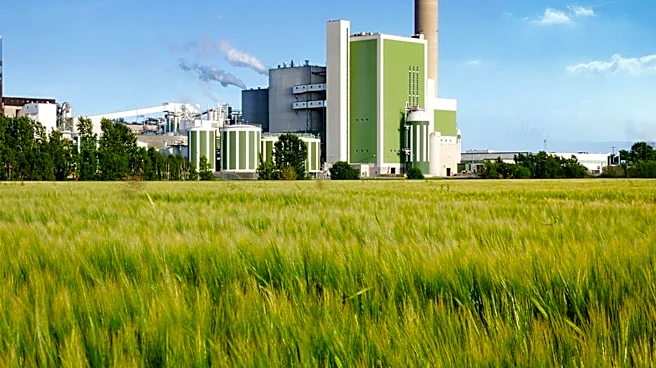
PureField Ingredients has inaugurated a 150,000-tonne-per-year carbon capture and sequestration facility in Russell, Kansas. The launch event was attended by local community members, Kansas farmers, and officials including U.S. Representative Tracey Mann
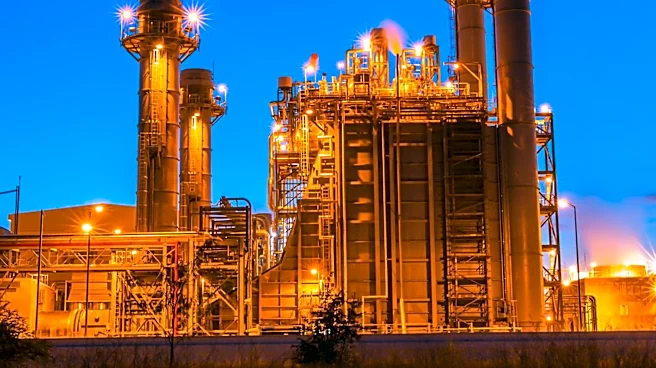
and EPA Region 7 Regional Administrator Jim Macy. The facility aims to achieve negative or near-zero GREET carbon intensity scores, making it one of the lowest-carbon-intensity fuel producers at a commercial scale in the U.S. The plant processes locally grown wheat and sorghum into food ingredients, renewable fuel, and animal feed, thus expanding markets for regional grain growers. The project captures CO2 during ethanol fermentation, compresses it, and transports it to a Class VI injection well for permanent storage. The facility, permitted by the EPA, will remain under regulatory oversight. PureField plans to double its ethanol output and carbon sequestration capacity in future expansions.
Why It's Important?
The launch of PureField's facility represents a significant step in reducing carbon emissions in the U.S. fuel industry. By achieving low-carbon intensity scores, the facility supports environmental goals and provides a model for sustainable fuel production. This development is crucial for regional economic growth, offering new markets for local farmers and supporting rural jobs. The project exemplifies successful collaboration between private investment and public-sector support, potentially influencing future policies and investments in carbon capture technologies. The expansion plans indicate a commitment to further reducing carbon footprints and enhancing the U.S.'s position in renewable energy production.
What's Next?
PureField's expansion plans suggest a continued focus on increasing its production capabilities and carbon sequestration efforts. The facility's success could encourage similar projects across the U.S., promoting wider adoption of carbon capture technologies. Stakeholders, including government agencies and environmental groups, may closely monitor the facility's performance and regulatory compliance. The expansion could also lead to increased demand for local agricultural products, benefiting regional economies. As the facility operates under EPA oversight, ongoing evaluations will ensure environmental standards are met, potentially setting benchmarks for future projects.