





What's Happening?
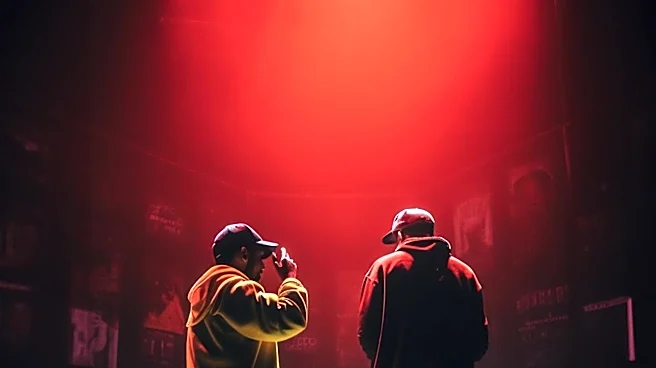
The Ohio State University's School of Music has introduced a new minor in hip-hop studies, beginning this semester. This academic program aims to provide students with a comprehensive understanding of hip-hop culture, extending beyond just its musical
aspects. The curriculum requires students to take core courses such as "The Art and Politics of Hip-hop" and "Hip-Hop Sampling and Beat Making." To complete the minor, students must accumulate 15 credit hours across five courses, including three electives. Assistant professors Jason Rawls and Stevie Johnson, along with lecturer of hip-hop DJ O Sharp, were instrumental in developing this program. The minor emphasizes the four foundational elements of hip-hop: DJing, graffiti, break-dancing, and emceeing, which originated in New York City over 50 years ago and remain central to the culture. The program seeks to create a space for students to explore creative avenues, discover potential career paths, and develop transferable skills applicable to various postgraduate careers.
Why It's Important?
The introduction of a hip-hop studies minor at a major institution like The Ohio State University signifies a growing recognition of hip-hop as a legitimate and important area of academic study, akin to classical, jazz, and rock 'n' roll. This move validates hip-hop's cultural and historical significance, acknowledging its widespread influence across America and globally. By offering courses that delve into the art, politics, and technical aspects of hip-hop, the university is providing a structured environment for students to engage deeply with the genre's origins, evolution, and societal impact. This academic integration can help preserve and disseminate knowledge about hip-hop's diverse facets, ensuring that elements beyond just the music, such as graffiti and break-dancing, are understood and appreciated. Furthermore, the program aims to equip students with practical skills, such as rapid decision-making and creative problem-solving, which are valuable in various professional fields, thereby broadening career opportunities for graduates interested in the culture.
What's Next?
The Ohio State University's hip-hop studies minor is expected to influence the next generation of artists and DJs, encouraging them to make their own contributions to the culture. The program's emphasis on practical skills, such as beat making and DJing, suggests that students will gain hands-on experience that could lead to new career paths within the music industry and beyond. The faculty involved, including Jason Rawls and Stevie Johnson, anticipate that the minor will foster a ripple effect, extending its impact beyond the School of Music to the broader music and hip-hop communities. This academic initiative could also inspire other universities to develop similar programs, further solidifying hip-hop's place in higher education. The ongoing development of the curriculum, including potential new electives and collaborations, will likely continue to shape how hip-hop is taught and studied in an academic setting.
Beyond the Headlines
This academic recognition of hip-hop at The Ohio State University highlights a broader cultural shift towards acknowledging and institutionalizing art forms that originated outside traditional academic canons. By studying hip-hop's elements like graffiti, even while acknowledging its illegal aspects, the program encourages students to view these practices through an artistic and cultural lens, understanding their role in shaping the genre's focus on creative expression. The minor also addresses the ethical dimension of cultural preservation, ensuring that the historical context and diverse facets of hip-hop are not forgotten amidst its mainstream commercialization. The program's focus on developing transferable skills, such as critical thinking and adaptability, underscores the idea that cultural studies can provide practical benefits beyond specialized knowledge. This initiative challenges conventional notions of what constitutes valuable academic inquiry, promoting a more inclusive and dynamic approach to education that reflects contemporary cultural landscapes.