





What's Happening?
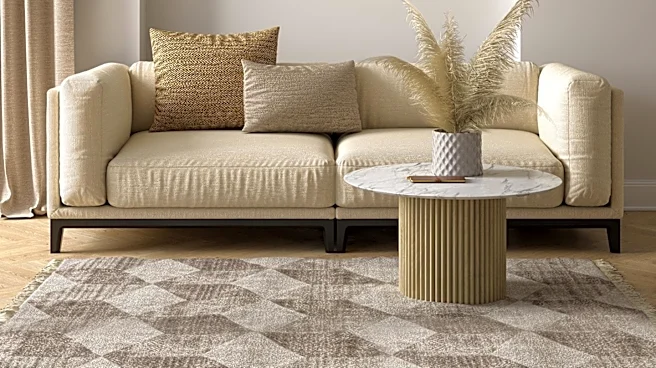
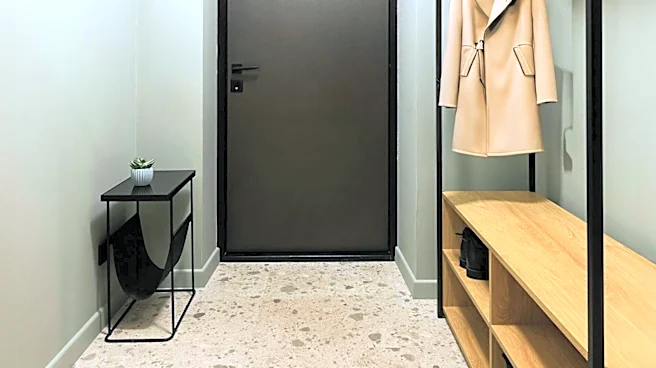
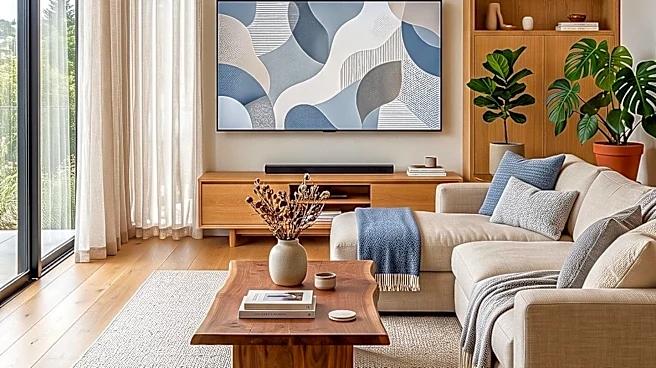
Scandinavian minimalism, known for its warmth, light oak floors, jute rugs, soft beige walls, and natural light, can effectively incorporate black doors. While seemingly counterintuitive, a black door can act as a high-contrast element to ground these
softer features, preventing the aesthetic from appearing washed out. This design approach emphasizes comfort and coziness, crucial in Nordic winters, by maximizing daylight and avoiding heavy drapery. For black doors to integrate seamlessly, they should be paired with dark hardwood floors to provide a foundational balance. Glazed black doors are particularly effective as they frame transitions and create depth without overwhelming the minimalist design. The key is to ensure flawless craftsmanship, preferring factory-finished black doors over DIY painted ones, which can appear messy against a clean backdrop.
Why It's Important?
The integration of black doors into Scandinavian minimalist design offers a fresh perspective on interior aesthetics, demonstrating how contrasting elements can enhance rather than detract from a cohesive style. This approach challenges conventional notions of minimalism, which often shy away from dark, bold colors. For U.S. homeowners and interior designers, this trend provides new avenues for creating sophisticated and comfortable living spaces. It highlights the importance of material quality and professional finishes, potentially influencing consumer demand for pre-finished doors and high-quality flooring. The emphasis on maximizing natural light and comfort also aligns with broader trends in residential design, where well-being and functionality are increasingly prioritized. This design philosophy could lead to shifts in product offerings within the home decor and construction industries, as manufacturers adapt to evolving aesthetic preferences.
What's Next?
As this design trend gains traction, consumers may see an increased availability of pre-finished black doors and complementary dark hardwood flooring options in the U.S. market. Interior design professionals are likely to explore and promote these concepts, leading to more diverse and sophisticated minimalist home designs. Educational resources and design guides will likely emerge, offering advice on how to balance dark elements with light, natural textures to achieve the desired Scandinavian minimalist aesthetic. Retailers specializing in home furnishings and building materials may adjust their inventories to cater to this demand, potentially introducing new product lines that align with the specific requirements of this style, such as glazed black doors and specific shades of dark wood flooring. The focus on craftsmanship will also likely drive demand for higher-quality, professionally finished products.
Beyond the Headlines
Beyond the immediate aesthetic implications, the successful integration of black doors into Scandinavian minimalism reflects a broader cultural shift towards more nuanced and personalized design choices. It suggests a move away from rigid adherence to traditional design rules, embracing instead a more flexible and experimental approach to interior spaces. This trend also underscores the enduring appeal of Scandinavian design principles—simplicity, functionality, and a connection to nature—while demonstrating their adaptability to incorporate bolder elements. Ethically, the emphasis on natural materials and maximizing natural light aligns with sustainable design practices, promoting energy efficiency and a healthier indoor environment. This evolution in design thinking could inspire further innovation in material science and manufacturing, leading to more environmentally friendly and aesthetically versatile building components.