


What's Happening?
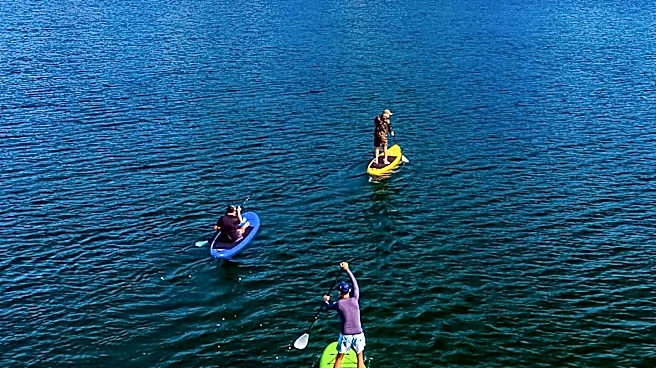
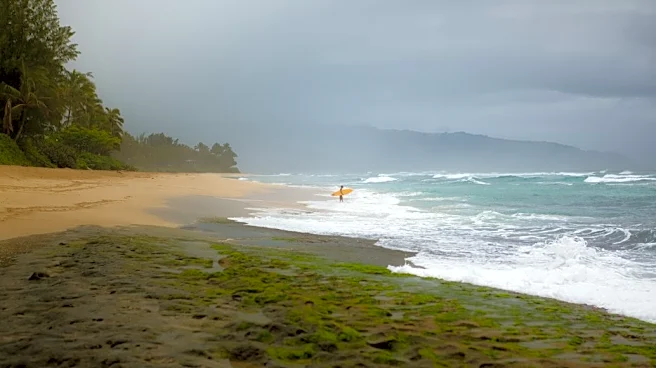
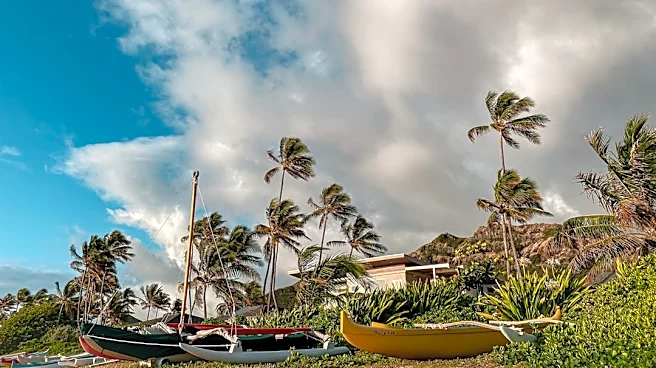
Auntie Snorkel, a family-owned and operated business in Lahaina, Maui, is offering stand-up paddleboard (SUP) rentals with a focus on accessibility for first-timers. The company provides premium wide-body SUP boards, ranging from 9'6" to 11' long and 32"
to 34" wide, which are designed for enhanced stability. Each rental includes a free upgrade to a carbon fiber paddle, noted for being lighter and more efficient than standard aluminum paddles. Additionally, customers receive free basic SUP instruction at pickup, covering safe launching, landing, proper paddling technique, and what to do if they fall. The business emphasizes morning sessions for the best conditions, as afternoon trade winds in West Maui can make paddleboarding challenging. Delivery services are available for an additional fee to Lahaina, Kaanapali, Kapalua, and Napili, though no delivery will be available from August 18-24, 2026. The company also offers a 25% discount for online bookings and free cancellation prior to pickup.
Why It's Important?
The increasing availability and accessibility of stand-up paddleboarding rentals in popular tourist destinations like Lahaina highlight a growing trend in outdoor recreational activities. Businesses like Auntie Snorkel are catering to both experienced paddlers and beginners by providing equipment and instruction that lower the barrier to entry for water sports. This trend can significantly impact local tourism economies by offering diverse activities that attract a broader range of visitors. The emphasis on stable boards and free instruction not only enhances customer experience but also promotes safety, potentially reducing incidents on the water. Furthermore, the focus on morning paddling due to local weather patterns underscores the importance of understanding and adapting to environmental conditions in the tourism sector, ensuring a more enjoyable and safer experience for participants. The provision of carbon fiber paddles as a standard offering also indicates a commitment to quality and customer satisfaction, which can differentiate businesses in a competitive market.
What's Next?
As stand-up paddleboarding continues to gain popularity, it is likely that more businesses in coastal tourist areas will expand their rental offerings and instructional programs. This could lead to increased competition, potentially driving further innovations in equipment and service to attract customers. Local authorities and park services may also need to adapt regulations to manage the growing number of paddlers, particularly in ecologically sensitive areas, to ensure environmental protection and visitor safety. Businesses might explore partnerships with other local attractions, such as snorkel gear rentals, to offer combined packages, enhancing the overall visitor experience. The success of businesses that prioritize customer education and safety, like Auntie Snorkel, could set a standard for the industry, encouraging others to adopt similar practices. Additionally, as the sport becomes more mainstream, there may be a greater demand for specialized SUP activities, such as SUP yoga or guided tours, further diversifying the market.
Beyond the Headlines
The rise of stand-up paddleboarding reflects a broader societal shift towards active, experiential tourism and a desire for closer engagement with natural environments. This activity offers a unique perspective on coastal landscapes, combining physical exercise with sightseeing and meditation. The emphasis on stability and ease of learning for beginners suggests a move towards democratizing outdoor sports, making them accessible to a wider demographic, including families and individuals with varying fitness levels. Environmentally, the quiet, non-motorized nature of SUP aligns with growing eco-tourism trends, offering a low-impact way to explore marine ecosystems. However, increased participation also brings challenges, such as the potential for overcrowding in popular spots and the need for responsible interaction with wildlife. The practice of providing basic instruction and recommending optimal paddling times also highlights the importance of local knowledge and responsible tourism practices in ensuring both visitor enjoyment and environmental sustainability. This trend could foster a deeper appreciation for marine conservation among participants.