





What's Happening?
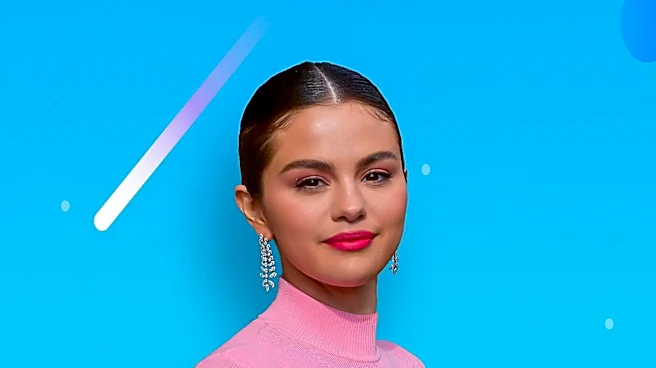
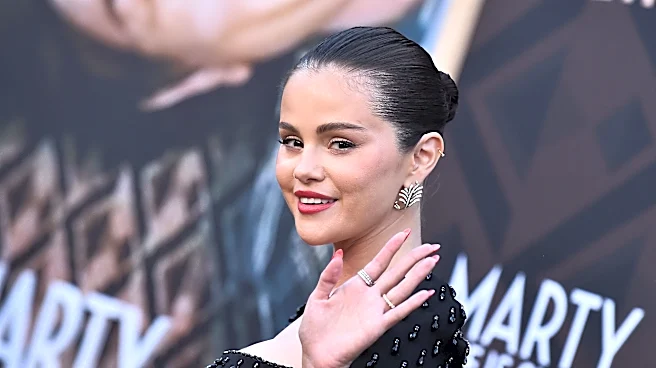
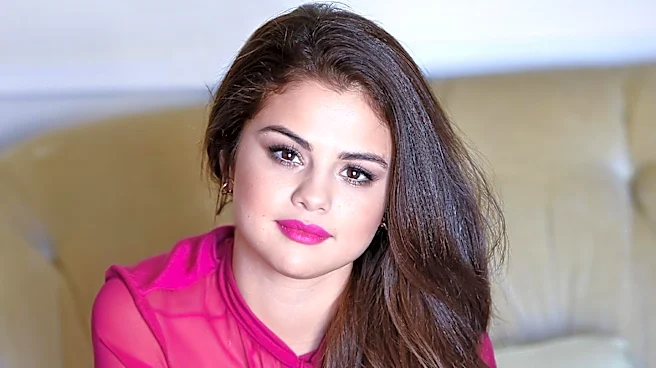
Selena Gomez has filed a motion in a federal court in Delaware to dismiss fraud claims against her in a lawsuit brought by investors of her mental health startup, Wondermind. The lawsuit, filed by Wondermind SRS 44 LLC and Bespoke Wondermind SPV I LLC,
representing five investors, alleges that they were misled into investing nearly $1.2 million in 2022 due to false or misleading representations about the company's finances, management, and prospects. Gomez's legal team argues that she did not manage the company, participate in its securities offerings, or communicate directly with the investors. They contend that Gomez's role was primarily as a consultant and Chief Impact Officer, while her mother, Mandy Teefey, and former co-CEO Daniella Pierson handled the company's operational decisions and corporate governance. The investors claim they were promised a significant role for Gomez in marketing and building Wondermind, including a mental health app and advertising agreements that either failed to materialize or were not developed as represented. Gomez's attorneys assert that the allegations against her are "completely meritless if not frivolous" and are considering seeking sanctions against the plaintiffs for including her in the lawsuit.
Why It's Important?
This lawsuit highlights the increasing scrutiny and potential legal liabilities faced by celebrities who lend their names and public profiles to startups. For investors, it underscores the importance of due diligence and clear communication regarding the roles and responsibilities of celebrity co-founders. The outcome of this case could set a precedent for how celebrity involvement in startups is legally defined and the extent of their accountability for a company's performance and investor communications. If Gomez's motion to dismiss is denied, it could encourage more lawsuits against public figures associated with struggling ventures, potentially making celebrities more cautious about their endorsements and co-founding roles. Conversely, a successful dismissal could reinforce the idea that a celebrity's public association with a company does not automatically equate to direct management responsibility or liability for investor fraud, provided they are not directly involved in misleading communications or operational decisions. This case also brings attention to the challenges of mental health startups in securing funding and delivering on promises, especially when leveraging celebrity influence.
What's Next?
The federal court in Delaware will now rule on Selena Gomez's request to dismiss the fraud claims against her. If the motion is granted, Gomez will be removed as a defendant from the lawsuit, though the broader case against Wondermind, Mandy Teefey, Daniella Pierson, and other defendants will likely continue. If the motion is denied, Gomez will remain a defendant, and the legal proceedings will move forward, potentially involving discovery and further litigation. Her legal team has indicated they are exploring options, including seeking sanctions against the plaintiffs for naming her in the lawsuit, which could lead to additional legal actions. Former business partner Daniella Pierson has already denied wrongdoing and stated her readiness to present documentation to refute the allegations. The outcome of this dismissal motion will significantly influence the trajectory of the entire lawsuit and could impact how celebrity-backed ventures are structured and perceived by investors in the future.
Beyond the Headlines
This case delves into the complex intersection of celebrity endorsement, startup culture, and investor protection. It raises questions about the perceived value of a celebrity's name in attracting investment versus their actual operational involvement and legal responsibility. The concept of a 'Chief Impact Officer'—a role often associated with brand advocacy and social mission rather than direct financial management—is central to Gomez's defense. This highlights a potential disconnect between the public-facing role of a celebrity and the internal corporate governance, which can create ambiguity for investors. The lawsuit also touches upon the ethical considerations of leveraging a celebrity's public profile, particularly in sensitive areas like mental health, to attract investment. The long-term implications could include a re-evaluation of how celebrity co-founders are integrated into startup structures, clearer contractual definitions of their roles and liabilities, and potentially more stringent disclosure requirements for investors regarding the extent of celebrity involvement in a company's day-to-day operations and financial decisions.