




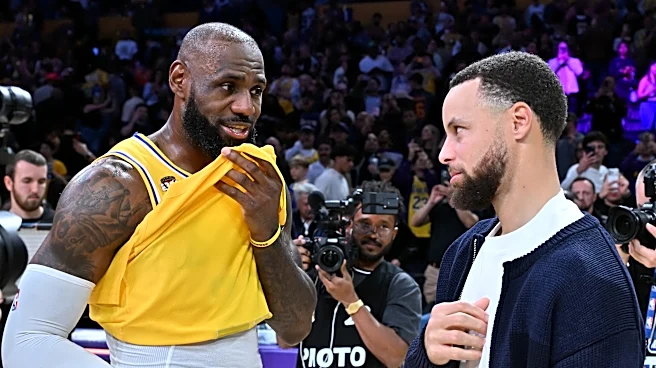

What's Happening?
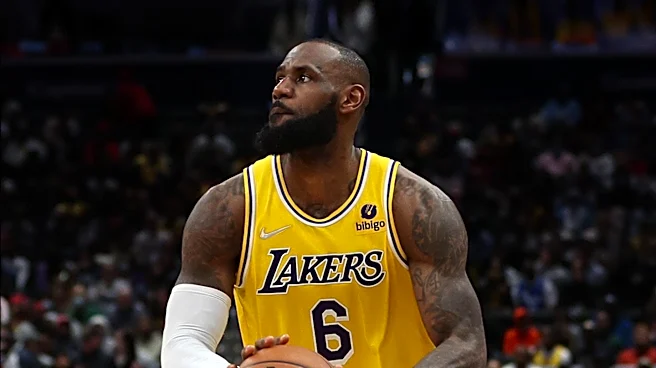
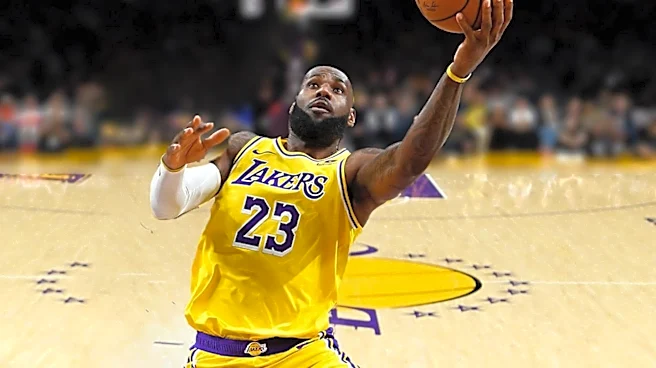
Kevin Durant has publicly defended LeBron James following criticism over James' decision to join the Philadelphia 76ers. Fans have expressed disapproval, arguing that James' frequent team changes diminish his legacy compared to players like Michael Jordan
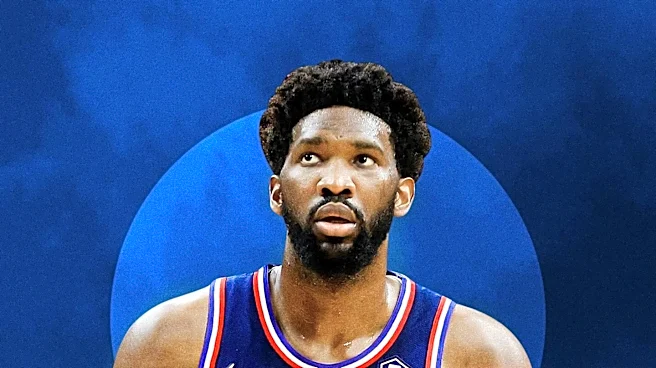
and Kobe Bryant, who are closely associated with a single franchise. Durant countered these criticisms on social media, emphasizing that James embodies the essence of basketball and that the notion of spending an entire career with one team is outdated. James has signed a two-year, $8 million contract with the 76ers, joining a roster that includes Jaylen Brown, Tyrese Maxey, VJ Edgecombe, and Joel Embiid. Durant highlighted the evolving nature of the NBA, where financial dynamics and salary caps have shifted, making long-term single-team careers less common.
Why It's Important?
This development underscores the changing landscape of professional sports, where player mobility is increasingly common. The criticism of James reflects a broader debate about loyalty and legacy in sports, as fans grapple with the realities of modern contracts and team dynamics. Durant's defense of James highlights the pressures athletes face in maintaining their legacy amidst constant scrutiny. The situation also illustrates the impact of financial structures in the NBA, which can lead to the dissolution of successful team cores. This shift affects how players are perceived and how they navigate their careers, with implications for team strategies and fan expectations.
What's Next?
As James joins the 76ers, the team will likely face heightened expectations to perform well in the upcoming season. The move could influence other players considering team changes, as it highlights the potential benefits of mobility in achieving career goals. The 76ers' performance will be closely watched, and success could validate James' decision, while failure might fuel further criticism. Additionally, Durant's comments may spark further discussion among players and analysts about the evolving nature of sports careers and the balance between personal legacy and team loyalty.