



What's Happening?
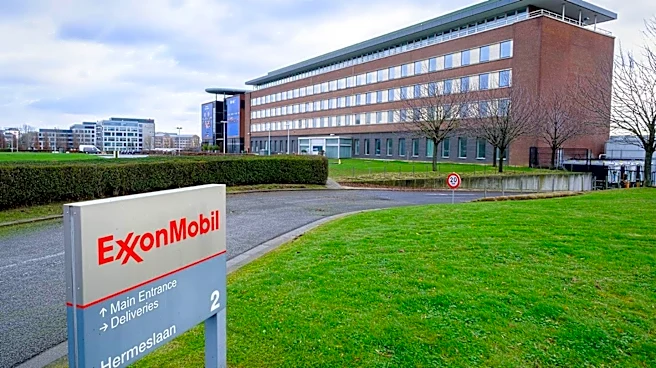
ExxonMobil CEO Darren Woods has issued a stark warning that certain European Union regulations, if enacted in their current form, could lead to "catastrophic consequences" for liquefied natural gas (LNG) supplies to Europe. According to a report, Woods indicated
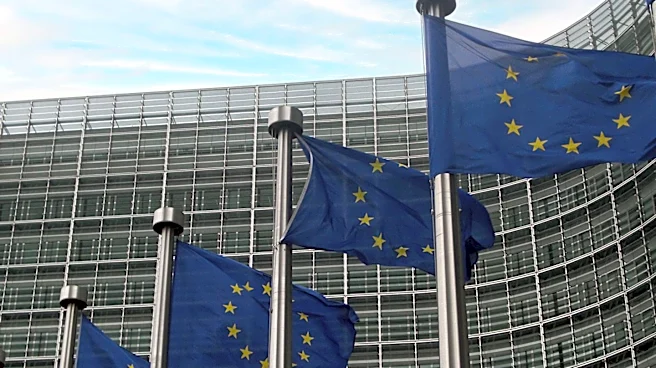
that these regulations, which reportedly include stringent sustainability requirements and potential financial liability for environmental and human rights issues in supply chains, could compel ExxonMobil and other major LNG suppliers, such as QatarEnergy, to reduce or cease cooperation with the EU. This warning underscores a growing dispute between major energy providers and European policymakers over the feasibility and impact of ambitious environmental and social governance standards on global energy trade.
Why It's Important?
This situation is critically important for the U.S. and global energy markets, particularly given the U.S.'s role as a significant LNG exporter to Europe. If major suppliers like ExxonMobil and QatarEnergy reduce or halt LNG deliveries, it could severely impact Europe's energy security, especially as the continent seeks to diversify its energy sources away from traditional suppliers. For the U.S., this could mean a disruption in a key export market, affecting domestic production and economic interests. The dispute also highlights the broader challenge of balancing environmental and social objectives with the practicalities of global energy supply chains. The potential for "catastrophic consequences" suggests a significant economic and geopolitical fallout, including increased energy prices, potential energy shortages in Europe, and a re-evaluation of international trade agreements and environmental policies.
What's Next?
The immediate next steps will likely involve continued negotiations and discussions between the European Union and major LNG suppliers, including ExxonMobil and QatarEnergy. The EU may face pressure to reconsider or modify the contentious regulations to avoid disruptions in energy supply. Conversely, the energy companies might need to demonstrate flexibility or propose alternative compliance mechanisms. Political leaders in both the U.S. and Europe will be closely monitoring the situation, as it has significant implications for energy policy, economic stability, and international relations. The outcome of these discussions could set a precedent for how environmental and social governance standards are integrated into global trade agreements, potentially influencing future regulatory frameworks in other sectors and regions.
Beyond the Headlines
Beyond the immediate concerns of LNG supply, this issue delves into the deeper implications of regulatory sovereignty versus global economic interdependence. The EU's attempt to impose its sustainability standards on international supply chains reflects a growing trend of using trade policy to achieve broader ethical and environmental goals. However, the strong reaction from energy giants like ExxonMobil highlights the practical challenges and potential economic costs of such an approach. This conflict could lead to a re-evaluation of the balance between national or regional regulatory ambitions and the need for a stable, interconnected global economy. It also raises questions about the extent to which companies are willing to adapt to diverse regulatory environments and the potential for regulatory fragmentation to disrupt essential global commodities. The long-term impact could reshape international trade norms and the global energy landscape.