



What's Happening?
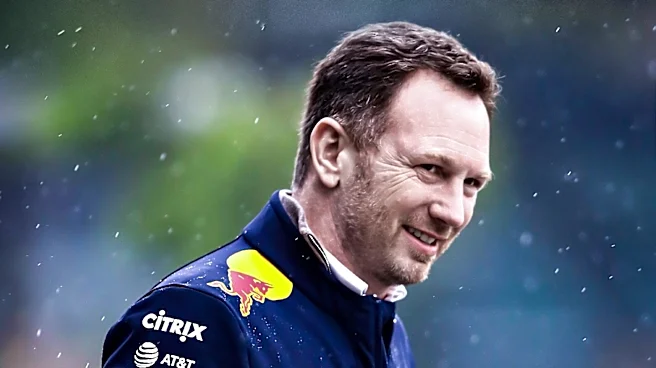
Christian Horner has disclosed new details regarding his dismissal as CEO and team principal of the Red Bull Formula 1 team. Horner, who had been in the role for 20 years, was relieved of his duties following the 2025 British Grand Prix. He stated that
he was called to a meeting in London under the pretense of discussing marketing structure, only to find Red Bull CEO Oliver Mintzlaff, Helmut Marko, and Red Bull’s head of HR waiting with a press release announcing his contract termination. Horner claims he was given no specific reason for his release beyond Red Bull wanting to 'go in a different direction.' When he pressed for more details, he was told, 'It’s more Christian Horner Racing than Red Bull Racing.' His sacking followed months of declining performance for Red Bull and an internal power struggle, occurring 17 months after he faced allegations of sexual harassment and coercive behavior. Laurent Mekies, promoted from Red Bull’s sister team Racing Bulls, replaced Horner.
Why It's Important?
The abrupt dismissal of a long-serving and successful figure like Christian Horner from Red Bull Racing has significant implications for the Formula 1 landscape. Horner's departure marks the end of an era for Red Bull, a team he helped build into a championship contender. This event could lead to a restructuring of leadership and strategy within the team, potentially impacting its future performance and competitive standing. The stated reason for his dismissal, 'It’s more Christian Horner Racing than Red Bull Racing,' suggests a power struggle and a desire by Red Bull to reassert corporate control over the team's identity. This situation also highlights the intense scrutiny and high-pressure environment within top-tier motorsports, where even established leaders can be removed swiftly. The change in leadership could influence driver dynamics, technical development, and overall team morale.
What's Next?
Following Christian Horner's departure, Laurent Mekies has taken over as team principal, signaling a new chapter for Red Bull Racing. The team will now navigate the remainder of the 2026 season and prepare for 2027 under new leadership. Horner himself has indicated that he is not actively seeking a return to F1 unless a 'really exciting project' emerges, specifically mentioning a 'dream' role at Ferrari as a potential temptation. The long-term impact of this leadership change on Red Bull's performance and its position in the Constructors' Championship will be closely watched. The new leadership will need to establish its vision and ensure stability within the team to maintain its competitive edge in the highly competitive world of Formula 1.
Beyond the Headlines
Christian Horner's sacking, particularly the reported reason of 'It’s more Christian Horner Racing than Red Bull Racing,' delves into the complex relationship between individual leadership and corporate identity within high-profile sports organizations. It raises questions about the balance of power between charismatic leaders who become synonymous with a brand and the corporate entities that own them. This incident could set a precedent for how major corporations manage their sports franchises, emphasizing corporate control over individual influence. Furthermore, the mention of previous allegations against Horner adds a layer of ethical and reputational complexity to his dismissal, highlighting the increasing scrutiny on public figures in sports. The event underscores the evolving dynamics of leadership, accountability, and brand management in modern professional sports.