



What's Happening?
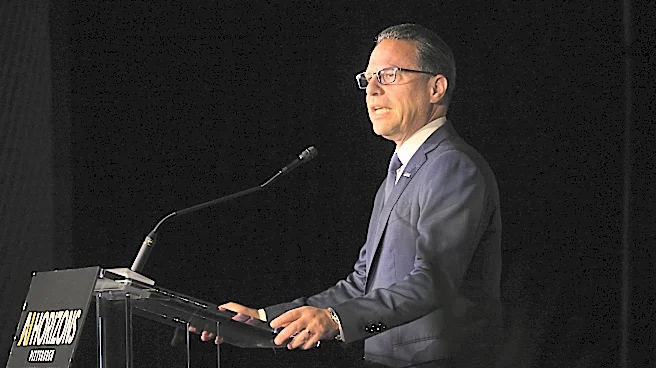
Governor Josh Shapiro has signed the Artificial Intelligence Deceptive Advertising Act into law in Pennsylvania, effective December 21. This new state law mandates the disclosure of AI use in advertisements, but only under specific circumstances where
AI-generated content creates a 'false consumer perception.' The law's sponsor, state Senator Nick Pisciottano, clarified that it does not apply to every minor digital edit but targets AI-generated content that could mislead consumers. Governor Shapiro emphasized that the main goal is transparency, ensuring Pennsylvanians know when AI technology is used in ads. The law was enacted amidst growing public concern and online discussions about restaurants allegedly using AI-generated images in their advertising instead of actual product photos.
Why It's Important?
Pennsylvania's Artificial Intelligence Deceptive Advertising Act is a pioneering piece of legislation that addresses the emerging challenges of AI in marketing. It aims to protect consumers from potentially misleading advertisements by requiring transparency when AI significantly alters or generates content to create a false perception. This law could set a precedent for other states grappling with the ethical implications of AI in advertising, influencing how businesses nationwide approach their marketing strategies. For advertisers, it introduces a new layer of compliance and the need for careful consideration of how AI tools are used. The law's ambiguity regarding what constitutes 'false consumer perception' and who is ultimately responsible for disclosure (the business or the AI tech company) will likely be clarified through future court cases and enforcement actions, shaping the future of digital advertising ethics.
What's Next?
The Artificial Intelligence Deceptive Advertising Act will take effect on December 21. Businesses and advertisers in Pennsylvania will need to assess their current and future advertising practices to ensure compliance. The law's enforcement will be handled by the state attorney general or appropriate district attorneys, with potential civil fines of up to $3,000, plus attorney fees and court costs, for violators. The lack of clear definitions for 'false consumer perception' and 'advertiser' means that initial enforcement actions and subsequent court interpretations will be crucial in shaping the practical application of the law. Advertisers are advised to err on the side of disclosure if AI has significantly modified or generated content. This period will likely involve a learning curve for both businesses and enforcement agencies as they navigate the nuances of AI in advertising.
Beyond the Headlines
The Artificial Intelligence Deceptive Advertising Act delves into the complex intersection of technology, ethics, and consumer protection. The debate over who is responsible for disclosure—the business using the ad or the tech company generating the AI content—highlights the evolving legal landscape surrounding AI. Senator Pisciottano's view that the tech company should bear the onus of disclosure suggests a potential shift in accountability towards AI developers. However, legal experts note that the plain text of the law applies to 'advertisers,' which typically includes the business running the ad. This ambiguity could lead to significant legal challenges and necessitate further legislative refinement as AI technology continues to advance. The law also raises broader questions about digital literacy and the public's ability to discern real from AI-generated content, pushing for greater transparency in an increasingly AI-driven world.