









What's Happening?
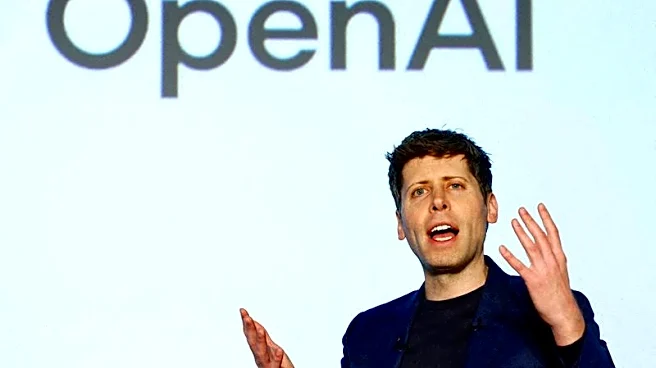
OpenAI is set to publicly release its latest AI model, GPT-5.6, after a delay requested by the U.S. government due to national security concerns. The release, scheduled for Thursday, follows the lifting of restrictions on similar AI models by Anthropic.
The U.S. Department of Commerce has approved the broad launch of GPT-5.6 after additional government testing under a new oversight framework for advanced AI models. OpenAI had previously restricted access to the model to a select group of vetted partners. The company plans to launch three versions of the model: Sol, Terra, and Luna, with Sol being the most advanced. This development comes amid increased scrutiny by Washington over the potential misuse of powerful AI systems by foreign military or intelligence agencies.
Why It's Important?
The release of GPT-5.6 is significant as it highlights the growing tension between technological advancement and national security. The U.S. government's involvement underscores the potential risks associated with powerful AI models, particularly their misuse by adversarial nations. This move could set a precedent for future AI releases, emphasizing the need for stringent oversight and collaboration between tech companies and government bodies. The decision also reflects the balancing act between fostering innovation and ensuring security, impacting stakeholders in the tech industry, government, and national security sectors.
What's Next?
Following the release, it is anticipated that there will be close monitoring of the model's deployment and usage. The U.S. government may continue to refine its oversight framework for AI technologies, potentially influencing global standards. Tech companies might face increased pressure to comply with security protocols, affecting their development timelines and market strategies. Additionally, there could be reactions from international players, either in the form of similar regulatory measures or competitive advancements in AI technology.