








What's Happening?
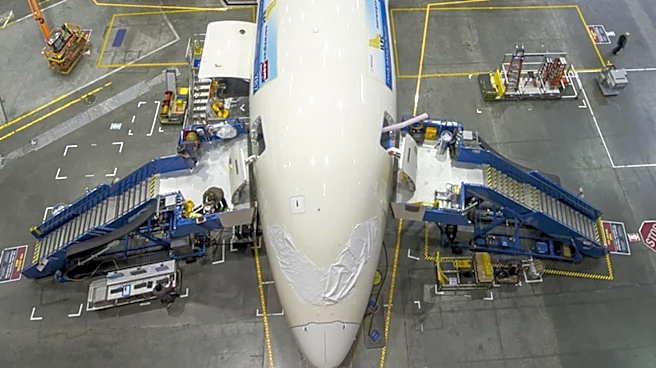
BAE Systems, Inc., a defense, aerospace, and security company headquartered in Falls Church, Virginia, is expanding its commercial aviation aftermarket offerings. This expansion aims to meet the increasing demand from commercial fleets by providing enhanced
technical expertise and cost-saving support solutions. The company, which employs over 40,000 people globally, delivers a wide array of products and services across air, land, maritime, space, and cyber domains, including advanced electronics and intelligence solutions. In line with its operational needs, BAE Systems, Inc. is actively recruiting for positions such as Software Engineer. These roles involve developing and evolving collaboration software platforms, translating mission needs into technical requirements, and engaging with user communities and customer leadership. The company offers remote and hybrid work opportunities depending on the specific role and has offices in multiple U.S. locations, including Annapolis Junction, MD, Austin, TX, Boulder, CO, Broomfield, CO, and Washington, DC.
Why It's Important?
The expansion of BAE Systems, Inc.'s commercial aviation aftermarket offerings is significant for the U.S. aerospace industry. It indicates a strategic move to capitalize on the growing demand within commercial aviation, potentially leading to increased market share and revenue for the company. This initiative could also foster innovation in aircraft maintenance and support, offering more efficient and cost-effective solutions for U.S. airlines. The active recruitment for Software Engineers underscores the company's commitment to technological advancement and digital transformation within its operations. These engineering roles are crucial for developing sophisticated software platforms that support both defense and commercial sectors, ensuring the U.S. maintains a competitive edge in aerospace and cybersecurity. The availability of remote and hybrid work options also reflects a modern approach to talent acquisition, potentially attracting a broader pool of skilled professionals and contributing to regional economic development in areas where the company has a presence.
What's Next?
BAE Systems, Inc. is expected to continue integrating its expanded commercial aviation services into its existing portfolio, focusing on delivering the promised technical expertise and cost-saving solutions to commercial airlines. The company will likely proceed with its recruitment efforts for Software Engineers, with job postings remaining active until qualified candidates are identified. Successful applicants will be tasked with developing secure web applications, managing databases, and improving continuous integration pipelines and test automation. These new hires will play a direct role in shaping the company's technological capabilities and supporting its diverse range of clients. Furthermore, BAE Systems, Inc. may explore additional opportunities for growth and innovation within the commercial aviation sector, potentially leading to further service expansions or technological advancements in the near future.
Beyond the Headlines
The strategic focus on both defense and commercial sectors by BAE Systems, Inc. highlights a broader trend in the aerospace and defense industry: the leveraging of military-grade technology and expertise for civilian applications. This dual-use approach can lead to significant advancements in commercial aviation, benefiting from the rigorous standards and innovative solutions developed for defense. The emphasis on software engineering and digital platforms also points to the increasing reliance on technology across all sectors, transforming how services are delivered and managed. Ethically, the company's role in both defense and commercial markets raises questions about the transfer of technology and the potential for synergies or conflicts of interest. Culturally, the availability of remote and hybrid work models signifies a shift in corporate work environments, reflecting a greater emphasis on flexibility and employee well-being, which could influence talent retention and acquisition strategies across the industry.