







What's Happening?
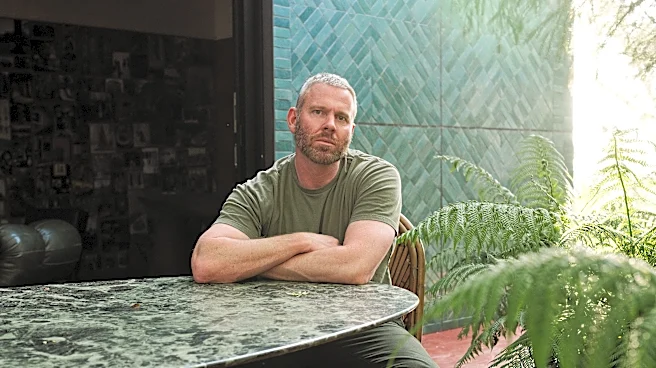
Richard Christiansen's Flamingo Estate, a seven-acre property in Los Angeles, has evolved beyond a garden and farm into a lifestyle business and a philosophy centered on analog living and natural cycles. Christiansen's new book, 'Pleasure Principles:
An Almanac from the Garden,' encapsulates this approach, offering a guide to living in tune with nature's rhythms rather than conventional timekeeping. The estate emphasizes tactile tasks and sensory experiences, encouraging individuals to engage with their surroundings and find pleasure in the present moment. Christiansen advocates for reducing reliance on technology, such as less television and GPS, to foster a deeper connection with the natural world and personal experiences. The brand continues to expand with new product releases, including food, fragrance, and home objects, alongside an international book tour for 'Pleasure Principles.'
Why It's Important?
This development is important as it reflects a growing trend in the U.S. towards conscious consumption and a desire for more authentic, analog experiences in an increasingly digital world. Flamingo Estate's philosophy challenges the fast-paced, technology-driven modern lifestyle, offering an alternative that prioritizes well-being, mindfulness, and a connection to nature. For consumers, it provides products and a mindset that can lead to a more balanced and fulfilling life. For businesses, it highlights the potential for brands to differentiate themselves by offering not just products, but a holistic lifestyle experience. This approach can resonate with a demographic seeking to reduce screen time and engage in more hands-on activities, potentially influencing product development and marketing strategies across various sectors, from home goods to wellness and even technology, by inspiring a focus on human-centric design.
What's Next?
Following the release of 'Pleasure Principles' and its international book tour, Flamingo Estate is expected to continue expanding its product lines, focusing on items that align with its philosophy of natural living and sensory engagement. The brand's emphasis on analog experiences and a slower pace of life suggests potential collaborations or initiatives that further promote these values, such as workshops, retreats, or partnerships with other like-minded brands. Christiansen's ongoing work on future books indicates a continued effort to articulate and disseminate his philosophy, which could further solidify Flamingo Estate's position as a thought leader in the lifestyle sector. The success of this model may also inspire other businesses to integrate similar values into their offerings, fostering a broader shift towards more mindful and nature-connected consumer experiences.
Beyond the Headlines
Beyond the immediate commercial success, Flamingo Estate's approach taps into deeper societal conversations about the impact of technology on human well-being and the search for meaning in everyday life. The emphasis on 'attention' as a core demand of engaging with natural processes suggests a critique of modern distractions and a call for greater presence. This movement could lead to a re-evaluation of what constitutes 'luxury,' shifting from material possessions to experiences that enrich the senses and foster a connection to the environment. Ethically, it promotes sustainable practices and a respect for natural resources, aligning with broader environmental consciousness. Culturally, it contributes to a narrative that values slowness, craftsmanship, and the wisdom of natural cycles, potentially influencing design, education, and even urban planning towards more human-scaled and ecologically integrated approaches.