
What's Happening?
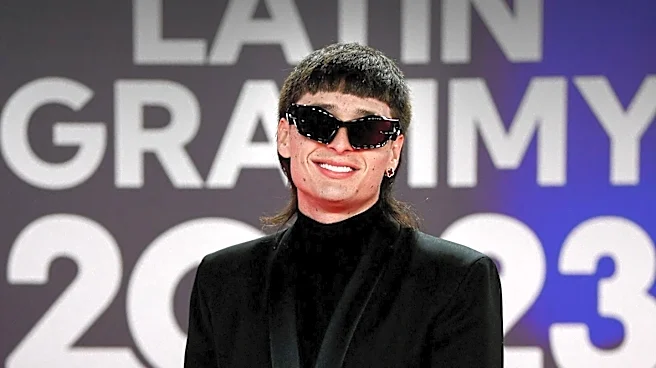
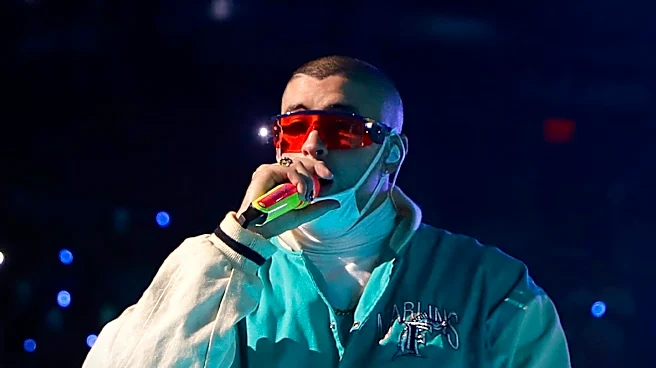
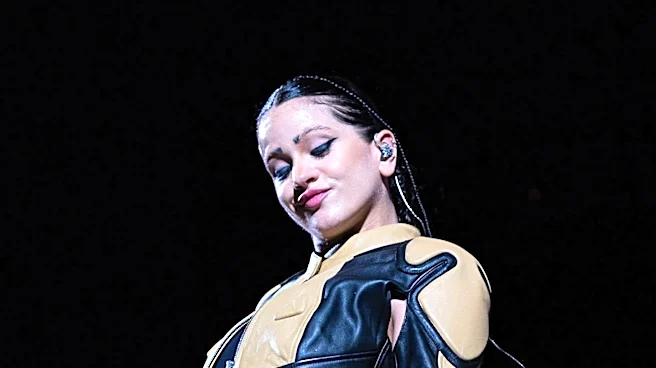
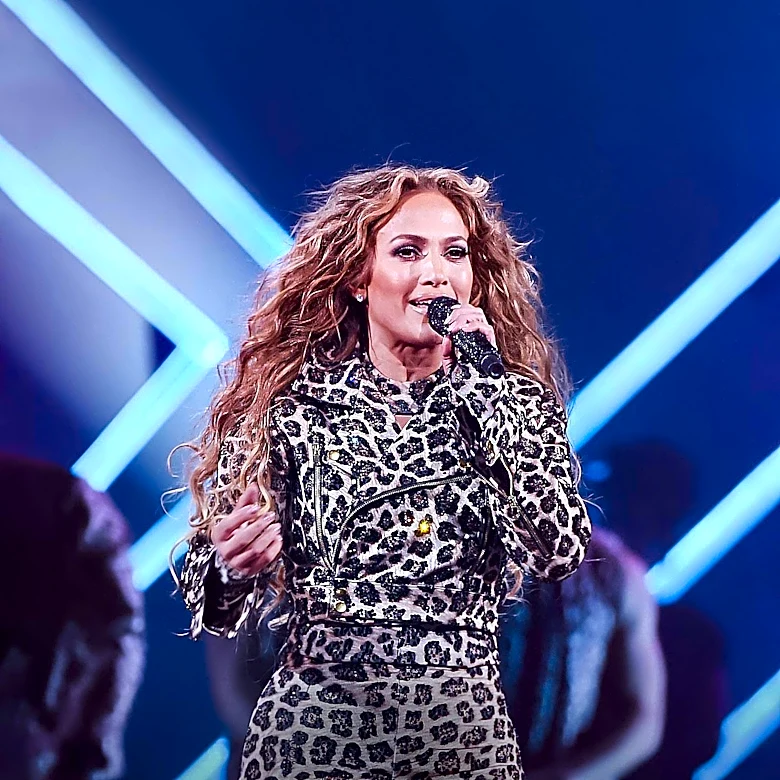
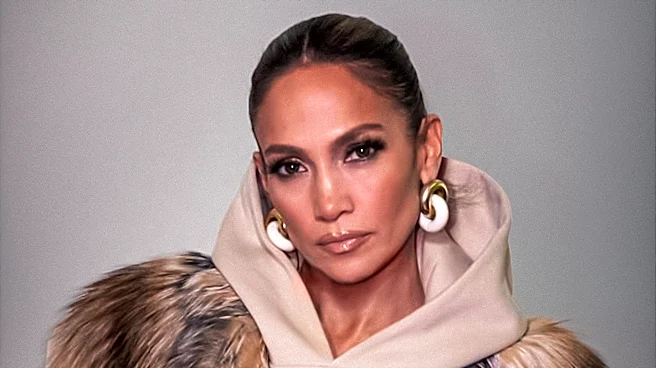
Jennifer Lopez recently commented on the significant progress of Latin music, highlighting how contemporary artists such as Bad Bunny, Karol G, and Rosalía have achieved mainstream success while maintaining their cultural and creative identities by singing
in Spanish. During a discussion on The New York Times’ Popcast with hosts Joe Coscarelli and Jon Caramanica, Lopez expressed her admiration for this development. She reflected on her own experiences during the 'Latin explosion' of the late 1990s and early 2000s, recalling that she and her peers, including Ricky Martin and Marc Anthony, often had to perform in English to gain broader recognition. Lopez noted that record executive Tommy Mottola had assembled several Latin artists at Sony, encouraging them to sing in English to appeal to a wider audience. She contrasted this with the current landscape, where artists can achieve global fame without altering their language or cultural expression.
Why It's Important?
This shift in the music industry signifies a broader cultural acceptance and appreciation for diverse linguistic and artistic expressions within the U.S. mainstream. Lopez's observations underscore a significant evolution from an era where assimilation into English-language markets was often a prerequisite for global success for Latin artists. The current trend, exemplified by artists like Karol G, demonstrates that authenticity in language and cultural identity is now a viable path to widespread popularity. This not only empowers artists to remain true to their roots but also enriches the global music scene with a wider array of sounds and perspectives. It reflects a growing demographic influence and cultural impact of Latin communities in the United States, influencing consumer preferences and media consumption. This change also opens up new commercial opportunities for Spanish-language content across various entertainment sectors.
What's Next?
The continued success of Spanish-language artists like Karol G is likely to further solidify the trend of linguistic and cultural authenticity in the music industry. This could lead to increased investment from record labels and streaming platforms in Spanish-language content, expanding its reach and influence. We may see more collaborations between English-speaking and Spanish-speaking artists, further blurring traditional linguistic boundaries in music. Additionally, the success of these artists could inspire a new generation of musicians to embrace their cultural heritage, fostering greater diversity in the global music landscape. This trend may also influence other media forms, such as film and television, to produce more Spanish-language content for mainstream audiences, reflecting the evolving cultural tapestry of the U.S. and beyond.
Beyond the Headlines
The rise of Spanish-language music to mainstream prominence, as noted by Jennifer Lopez, reflects a deeper societal shift towards multiculturalism and the dismantling of linguistic barriers in popular culture. This phenomenon challenges the long-held notion that English is the sole gateway to global success in entertainment, signaling a more inclusive and representative cultural environment. It highlights the power of music as a vehicle for cultural preservation and expression, allowing artists to connect with wider audiences without compromising their identity. This shift also has economic implications, creating new markets and revenue streams for artists and the music industry, while also fostering a greater sense of pride and representation within Latin communities. The success of artists like Karol G demonstrates a growing global appetite for diverse cultural narratives and artistic forms.