







What's Happening?
Macy's is strategically shifting its focus towards its premium businesses, Bloomingdale's and Bluemercury, recognizing that the strongest growth is originating from these segments rather than the core Macy's brand itself. This approach acknowledges that not
all customers are equally valuable, and different customer segments contribute varying economic benefits to the business. While some customers may only purchase during sales, others consistently buy premium products at full price, visit more frequently, and exhibit greater brand loyalty. The company is analyzing customer economics to determine which customer relationships are most profitable and how to build its future strategy around them. This involves understanding that a retailer focused on profitable customers prioritizes higher basket sizes, full-price purchases, repeat visits, premium assortments, better experiences, and stronger loyalty.
Why It's Important?
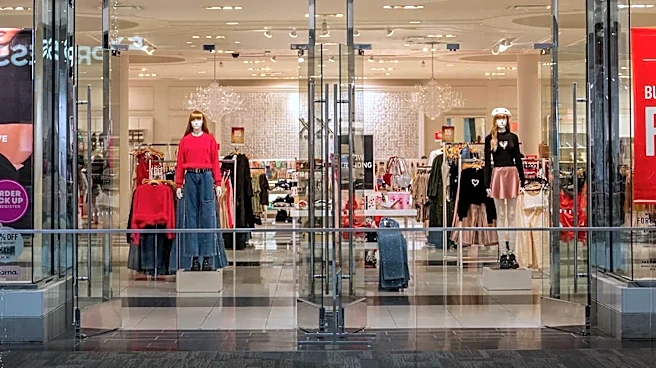
This strategic pivot by Macy's is significant for the U.S. retail industry as it highlights a broader trend of customer segmentation and premiumization in a challenging market. By focusing on its premium brands, Macy's aims to attract customers who perceive enough value to pay more, leading to higher average transaction values, better gross margins, and reduced reliance on promotions. This strategy could serve as a model for other traditional department stores struggling to adapt to evolving consumer spending habits. The move also underscores the importance of physical stores in communicating brand positioning and influencing customer experience, as a carefully curated premium environment can significantly impact how products and prices are perceived. This shift could lead to a more resilient business model for Macy's, potentially influencing investment and operational strategies across the retail sector.
What's Next?
Macy's will likely continue to invest in and differentiate its premium brands, Bloomingdale's and Bluemercury, to cater to affluent and premium beauty customers, respectively. This could involve further enhancements to store design, product assortment, and customer service within these segments. The company will also need to carefully manage the positioning of its core Macy's brand to avoid alienating its broader customer base while still pursuing premiumization. This strategic tension between value retail and luxury retail will require a clear definition of what customers should associate with the Macy's name, influencing everything from assortment to pricing. The success of this strategy could lead to a re-evaluation of portfolio management within the retail industry, where different brands within a single company serve distinct customer segments.
Beyond the Headlines
The deeper implication of Macy's strategy lies in its recognition of the changing landscape of consumer spending, where the middle market is becoming increasingly difficult. Consumers are becoming more discerning, willing to save on some categories while spending heavily on others they value. This means retailers can no longer simply ask if consumers are spending, but rather where they are willing to spend. Macy's is effectively testing the hypothesis that a traditional department store can become healthier by increasing its exposure to premium customers without losing its broader customer base. If successful, this could trigger a long-term shift in how multi-brand retail companies approach customer economics, emphasizing the value of customer preference over mere traffic. It also highlights the ethical consideration of how companies balance profitability with accessibility across different income brackets.