





What's Happening?
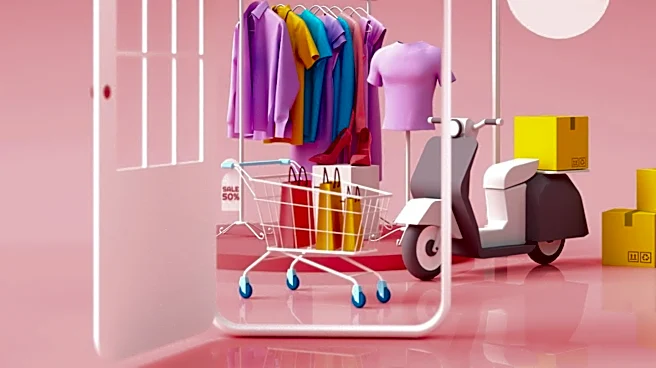
Omnichannel retail, a strategy allowing customers to shop across various channels like online, in-store, mobile, and social media with a unified experience, presents both significant opportunities and challenges for businesses. The core idea is to create
a seamless customer journey, whether a customer adds items to an online cart and completes the purchase in-store, or if inventory updates are reflected in real-time across all sales points. However, integrating old and new systems, ensuring data fluidity, and maintaining unified inventory and customer records across these diverse channels are major hurdles. Many retailers are still operating in 'silo wars,' where different departments like marketing and operations are fragmented, leading to inefficiencies. The emphasis is shifting from managing individual channels to managing the entire customer journey, requiring a psychological overhaul within organizations to foster collaboration and prioritize customer value over departmental optimization. Technology, particularly AI, is playing a crucial role in aiding this integration and enhancing the omnichannel strategy, as seen with companies like Boot Barn Holdings.
Why It's Important?
The shift to omnichannel retail is critical for U.S. businesses as customer expectations for seamless shopping experiences continue to rise. Companies that fail to integrate their e-commerce platforms with Enterprise Resource Planning (ERP) systems risk inefficiencies, errors, and missed opportunities. Centralized inventory management, streamlined order processing, and unified customer data are key benefits of successful integration, leading to reduced stockouts, faster fulfillment, and personalized customer experiences. Without integration, businesses face inconsistent stock updates, delayed order fulfillment, and difficulty scaling operations, which can damage customer trust and lead to revenue loss. The ability to provide a consistent and frictionless customer journey is becoming a stronger differentiator than product features alone. Retailers who embrace this philosophy of organizational alignment and leverage technology to reduce friction are better positioned for sustainable growth and competitive advantage in the evolving market.
What's Next?
The future of retail will likely see a continued emphasis on integrating e-commerce and ERP systems to support omnichannel strategies. Businesses will need to assess their current systems, define clear integration goals, and select compatible and scalable tools. A gradual implementation approach, starting with critical channels and expanding over time, can minimize disruption. The role of AI is expected to grow, with platforms like Syncworx facilitating real-time data exchange and multi-platform compatibility. This technological advancement will enable businesses to scale operations, support additional platforms and regions, and enhance workflows. Furthermore, there will be a continued focus on fostering a culture of collaboration and customer-centricity within organizations, moving away from siloed operations. The success of omnichannel retail will depend not just on technological solutions but also on leadership's ability to integrate mindsets and prioritize customer value across all touchpoints.
Beyond the Headlines
The move towards omnichannel retail signifies a deeper transformation in business philosophy, shifting from a channel-centric view to a customer-journey-centric approach. This involves not just technological upgrades but also a fundamental change in organizational culture, where collaboration and customer value supersede departmental interests. The ethical implications of data collection and usage become more pronounced as customer data is unified across platforms, requiring robust privacy and security measures. The long-term impact could lead to a more personalized and efficient retail landscape, but also raises questions about data ownership and consumer autonomy. Furthermore, the increased reliance on AI for inventory management, demand forecasting, and customer interaction could reshape the retail workforce, requiring new skill sets and potentially leading to job displacement in some areas while creating new opportunities in others. This evolution highlights the ongoing convergence of technology, business strategy, and consumer behavior in the digital age.