




What's Happening?
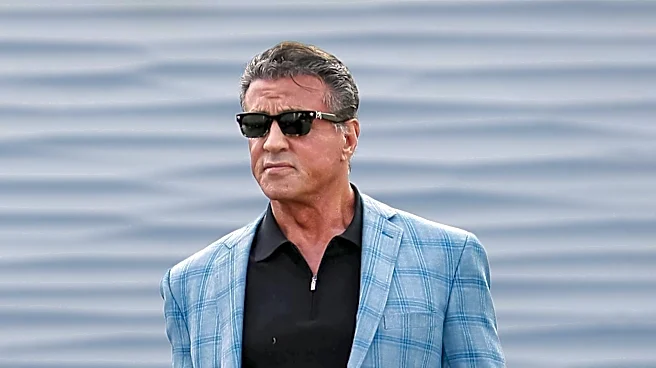
Actor Sylvester Stallone is currently facing renewed speculation regarding cosmetic surgery procedures during his book tour. Despite Stallone's previous explanations that some of his distinctive facial features are due to nerve damage sustained at birth,
cosmetic surgery commentators continue to suggest he may have undergone various procedures. Analysts have pointed to his defined jawline, the appearance of his neck, and his relatively smooth forehead as potential indicators of interventions such as facelifts, facial fat transfers, and Botox. Speculation also extends to his hairline, with suggestions of follicular unit transplantation (FUT) or surgical hairline advancement, and his upper eyelids and eyebrows, possibly indicating upper blepharoplasty or brow lifting. These discussions have reportedly overshadowed the promotion of his book, with a Hollywood insider noting the unfortunate shift in conversation from his career achievements to his appearance. His role in the streaming series 'Tulsa King' has also brought his appearance under scrutiny from a new generation of viewers.
Why It's Important?
This ongoing scrutiny highlights a broader issue within Hollywood concerning aging celebrities, particularly action stars whose careers are often built on maintaining a physically formidable image. The pressure to remain youthful and recognizable, while simultaneously facing criticism for any perceived cosmetic interventions, creates an almost impossible standard. This situation impacts how celebrities are perceived and how their work is discussed, often diverting attention from their professional accomplishments to their physical appearance. For the entertainment industry, it underscores the intense public and media focus on celebrity aesthetics, which can influence public discourse and potentially affect an artist's public image and career trajectory. The debate also touches on the ethical considerations of public speculation about private medical decisions, especially when a documented medical explanation for certain features exists.
What's Next?
As Sylvester Stallone continues his book tour and promotional activities for projects like 'Tulsa King,' it is likely that discussions about his appearance will persist. The entertainment media and cosmetic surgery commentators may continue to analyze his facial features, regardless of his past explanations. This ongoing scrutiny could influence public perception of Stallone and other aging celebrities, potentially leading to more open discussions within the industry about the pressures faced by actors to maintain a certain image. It may also prompt further dialogue about the balance between public interest in celebrity lives and the right to privacy regarding personal medical choices. The situation could also encourage other celebrities to address or ignore similar speculations, setting precedents for how public figures manage their image in an era of constant media analysis.
Beyond the Headlines
The persistent speculation surrounding Sylvester Stallone's appearance delves into deeper cultural and societal implications regarding aging, particularly for men in the public eye. It reflects a broader societal discomfort with natural aging and the pervasive influence of youth-centric beauty standards. The narrative often overlooks the human aspect of aging, reducing individuals to their physical changes rather than acknowledging their life experiences and contributions. Ethically, the constant public dissection of a person's face, especially when a medical condition is involved, raises questions about empathy and respect in media coverage. This trend can contribute to unrealistic beauty expectations for the general public and perpetuate a cycle where individuals feel compelled to undergo cosmetic procedures to conform to perceived ideals, highlighting the psychological toll of relentless public scrutiny on personal identity and self-worth.