





What's Happening?
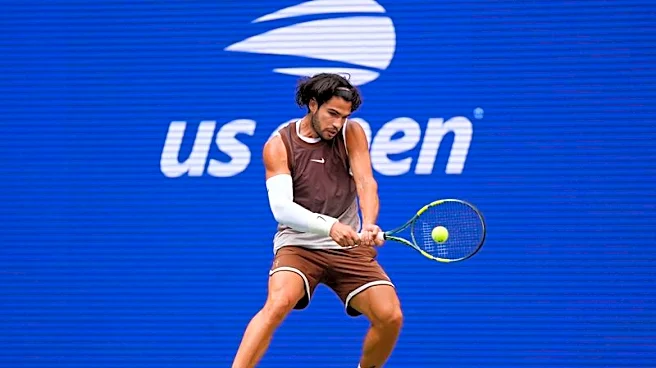
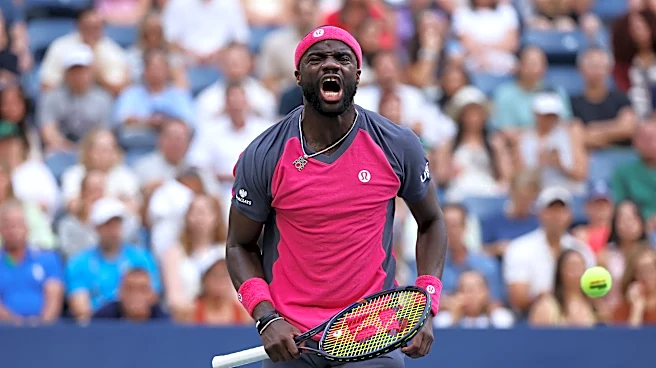
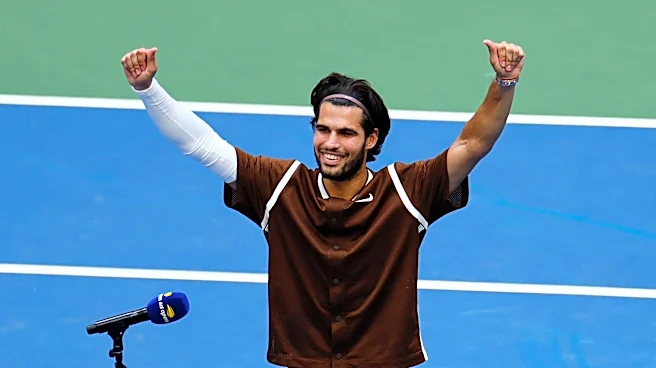
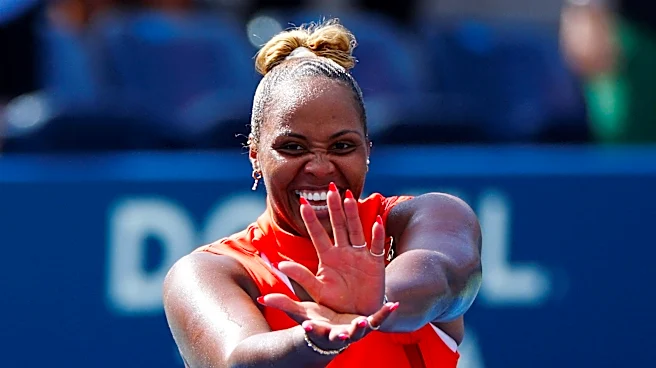
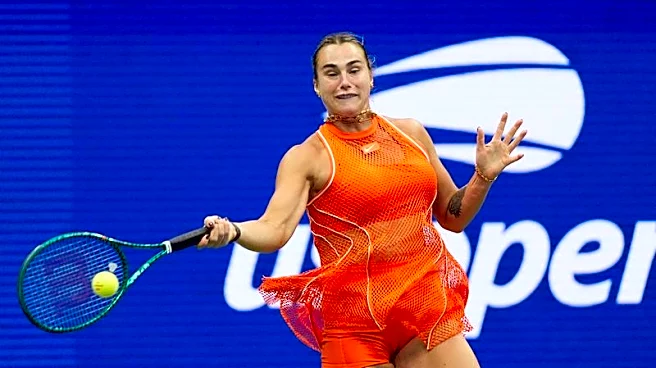
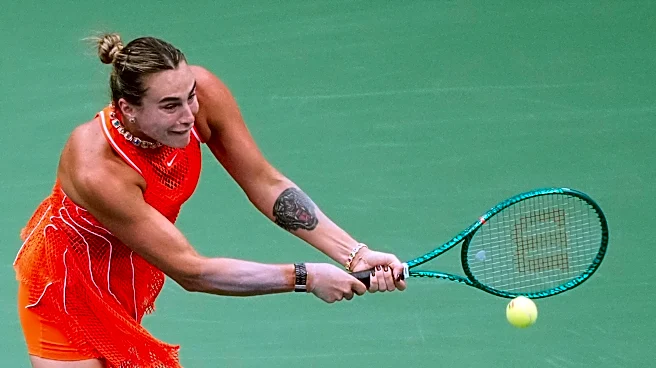
The Waldorf Astoria New York in Midtown transformed its legendary Grand Ballroom into a tennis center for one night on August 27. This unique event featured professional tennis stars Ben Shelton, Tommy Paul, Leylah Fernandez, and Maria Sakkari, who played
matches in front of an audience of 400 onlookers. This marks the first time the ballroom, historically known for hosting prestigious events like the first Tony Awards and early Met Galas, has been converted into a tennis court. Met Gala Chair Anna Wintour was among the attendees. The hotel, which reopened last year after an eight-year renovation and restoration, aimed to create an unprecedented experience. The transformation is part of a global initiative called the Waldorf Astoria Racquet Club, which seeks to blend sports, hospitality, style, and culture across Waldorf locations worldwide. Additionally, from September 8 to September 13, the hotel's Lex Yard will be converted into The Racquet Club at Lex Yard, offering live match viewing, special food and beverage options, and a watch party for the men's final on Sunday.
Why It's Important?
This innovative event by the Waldorf Astoria New York signifies a growing trend in the hospitality industry to offer unique, experiential luxury to guests and patrons. By transforming its iconic Grand Ballroom into a tennis court, the hotel not only generated significant buzz and media attention but also showcased its versatility and commitment to creating memorable experiences. This strategy can attract a new demographic of high-net-worth individuals interested in both luxury hospitality and sports, potentially boosting revenue and brand prestige. The involvement of professional tennis players and figures like Anna Wintour elevates the event's profile, aligning the Waldorf Astoria with high-end sports and cultural events. This initiative could set a precedent for other luxury hotels to explore similar creative uses of their spaces, driving innovation in event planning and guest engagement within the competitive U.S. hospitality market. It also highlights the increasing convergence of sports and lifestyle, where exclusive experiences are curated for discerning consumers.
What's Next?
Following the success of the Grand Ballroom event, the Waldorf Astoria New York will continue its tennis-themed offerings with The Racquet Club at Lex Yard from September 8 to September 13. This will include live match viewing and special culinary experiences, culminating in a watch party for the men's final. The hotel will likely evaluate the impact of these events on brand perception, guest engagement, and revenue to inform future experiential marketing strategies. Other Waldorf Astoria locations globally may replicate similar sports-themed events as part of the broader Waldorf Astoria Racquet Club platform, further solidifying the brand's association with luxury sports and lifestyle. The success of this initiative could also inspire competitors in the luxury hotel sector to develop their own unique event concepts, leading to a more dynamic and experience-driven hospitality landscape in the U.S. and beyond. The hotel may also explore partnerships with other sports or cultural organizations to host future exclusive events.
Beyond the Headlines
The Waldorf Astoria's transformation of its Grand Ballroom into a tennis court represents more than just a marketing stunt; it reflects a deeper shift in consumer expectations within the luxury market. Today's affluent consumers seek not just opulent accommodations but also exclusive, immersive experiences that offer novelty and a sense of belonging to an elite community. This event taps into the cultural cachet of tennis, a sport often associated with sophistication and high society, and blends it with the historical grandeur of the Waldorf Astoria. It also highlights the evolving role of iconic venues, demonstrating how historic spaces can be reimagined to remain relevant and captivating in a rapidly changing world. This trend could lead to a broader re-evaluation of how luxury brands engage with their clientele, moving beyond traditional services to offer bespoke, once-in-a-lifetime moments that resonate deeply with their target audience and create lasting brand loyalty. The fusion of sports, art, and hospitality could become a hallmark of future luxury experiences.