





What's Happening?
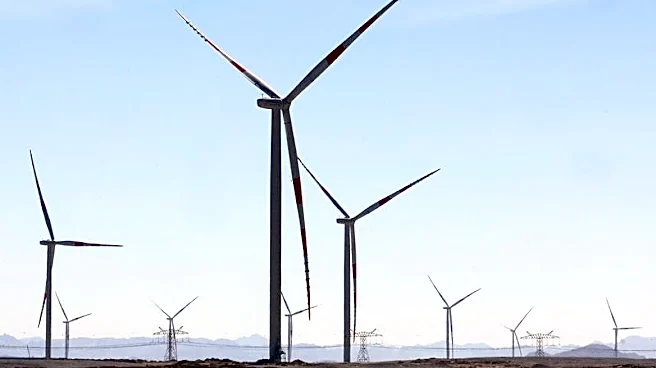
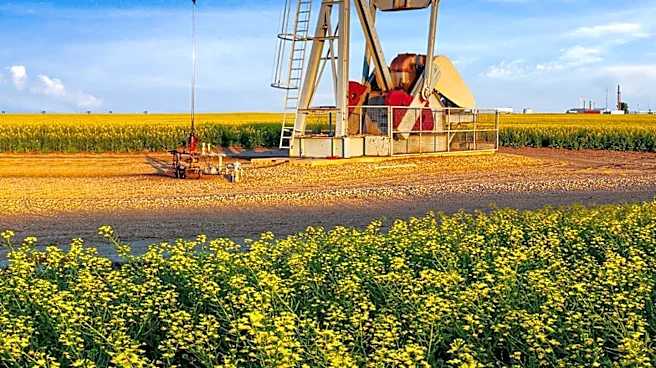
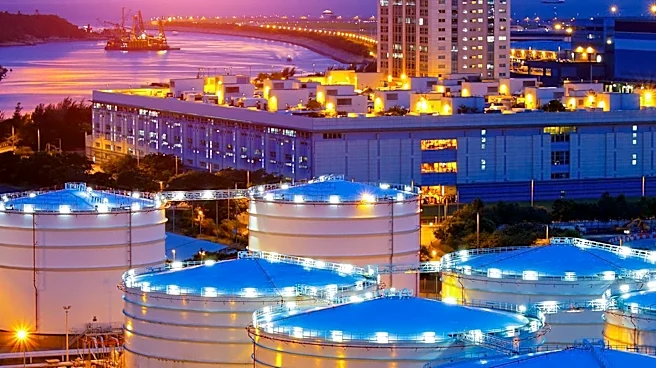
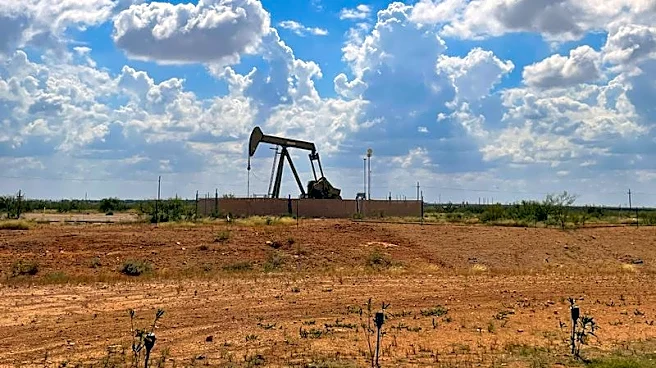
BP's new CEO, Meg O'Neill, is steering the company back towards its core oil and gas operations, moving away from previous commitments to green energy. This strategic shift comes as BP exits the North Sea due to high taxes and regulatory challenges, and divests
from its U.S. biogas business, Archaea. O'Neill emphasizes the need for BP to deliver energy efficiently and profitably, citing underperformance in recent years. The company aims to focus on its strengths in oil and gas production, trading, and energy product sales.
Why It's Important?
BP's pivot back to traditional energy sources reflects broader industry challenges in balancing profitability with sustainability goals. The decision to scale back on green investments highlights the financial pressures faced by energy companies amid fluctuating market conditions and regulatory environments. This move could influence other major oil companies to reassess their energy transition strategies. For the UK, BP's exit from the North Sea raises concerns about energy security and economic impacts, as the region plays a crucial role in domestic energy supply.
What's Next?
BP's strategic realignment may lead to further divestments from non-core assets and increased focus on optimizing oil and gas operations. The company will likely seek to enhance shareholder value through improved financial performance and operational efficiency. As BP navigates this transition, it may face scrutiny from environmental groups and stakeholders advocating for sustainable energy practices. The UK government may also need to address the implications of BP's exit from the North Sea on national energy policy and economic stability.