




What's Happening?
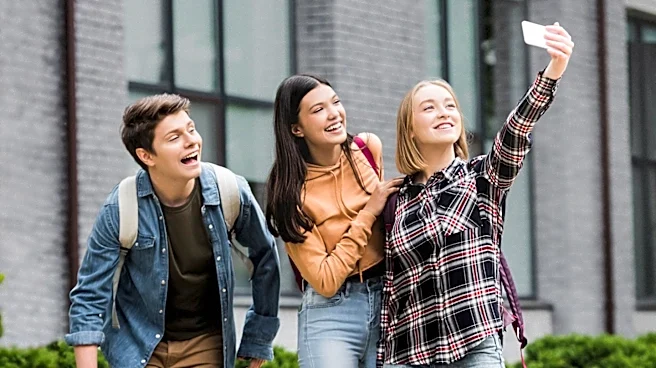
College students, particularly those from Gen Z, are transforming social gatherings with a new trend called 'wellness darties' (day parties). These events prioritize health and wellness activities over traditional substance-focused parties. Young entrepreneurs
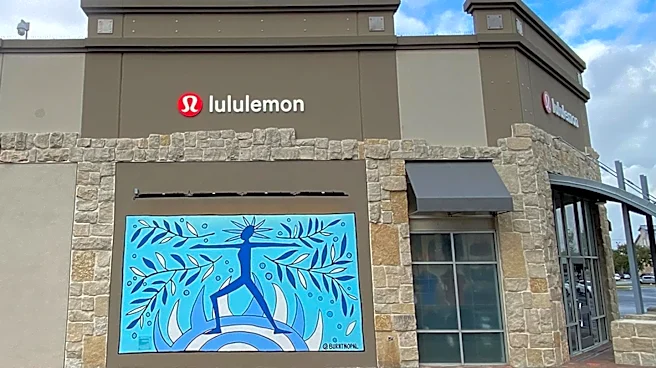
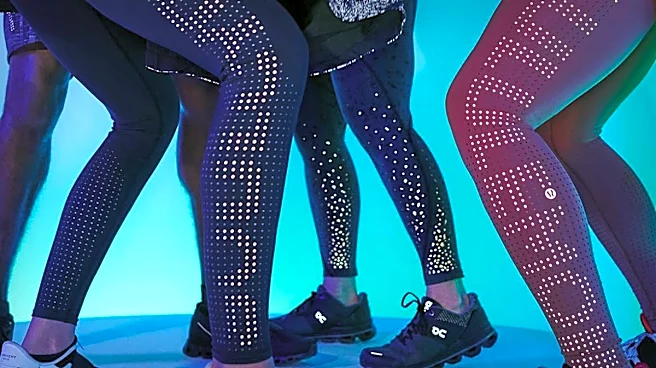
and recent graduates, like Aydan Child of Peak Pulse and Martin Moćs of Sweat and Soak, are capitalizing on this shift by organizing and packaging these wellness-centric events for college campuses nationwide. These 'darties' often feature cold plunges, saunas, workout classes, and healthy refreshments from brands like Alani Nutrition, RedBull, and Lululemon. The movement is gaining significant traction, with Greek organizations at large universities paying thousands of dollars for these curated experiences. This trend reflects a changing mindset among Gen Z regarding mental health and wellness, seeking alternatives to alcohol and substances for social connection and personal betterment.
Why It's Important?
This emerging trend signifies a notable cultural and economic shift within the youth demographic in the U.S. The 'wellness darty' phenomenon highlights Gen Z's increasing focus on health, mental well-being, and personal growth, contrasting with previous generations' college social norms. Economically, it has created a new market for wellness-focused businesses and brands, attracting partnerships from major companies like Celsius, New Balance, and Gatorade. These brands are actively seeking to engage with this demographic, recognizing the significant purchasing power and influence of Gen Z. The trend also offers an alternative social model for college students, potentially leading to reduced alcohol consumption and increased participation in healthy activities, which could have long-term positive public health implications. Furthermore, the entrepreneurial success of young individuals in this space demonstrates a responsive and innovative approach to meeting evolving consumer demands.
What's Next?
The 'wellness darty' trend is expected to continue its expansion across U.S. college campuses, with entrepreneurs like Martin Moćs planning college tours and further geographic reach. Major brands are likely to increase their investment and partnerships in these wellness events, viewing them as a crucial avenue to connect with Gen Z consumers. The success of these ventures may inspire more young entrepreneurs to develop similar health-focused social experiences. There could also be a broader cultural impact, potentially influencing how colleges and universities approach student wellness programs and social event planning. As the trend matures, it may face challenges in maintaining authenticity and avoiding commercialization that could dilute its core values. The ongoing debate and 'backlash' from older generations, as noted by Aydan Child, suggest a generational divide in understanding and accepting these new social norms, which may continue to fuel discussions about college culture.
Beyond the Headlines
Beyond the immediate business success and social shifts, the 'wellness darty' trend reflects deeper societal changes, particularly in how Gen Z perceives and prioritizes well-being. This generation, having grown up with increased awareness of mental health and self-care, is actively seeking environments that support these values. The emphasis on philanthropy, as seen with Sweat and Soak's partnerships with breast cancer charities, also highlights a desire for purpose-driven social engagement. This movement challenges traditional notions of college partying and social interaction, suggesting a potential long-term redefinition of 'fun' and 'connection' among young adults. The criticism from older generations, who view it as a departure from stereotypical college experiences, underscores a generational gap in values and lifestyle choices. This trend could also contribute to a broader cultural conversation about the role of wellness in daily life and the evolving landscape of social gatherings in the digital age.