




What's Happening?
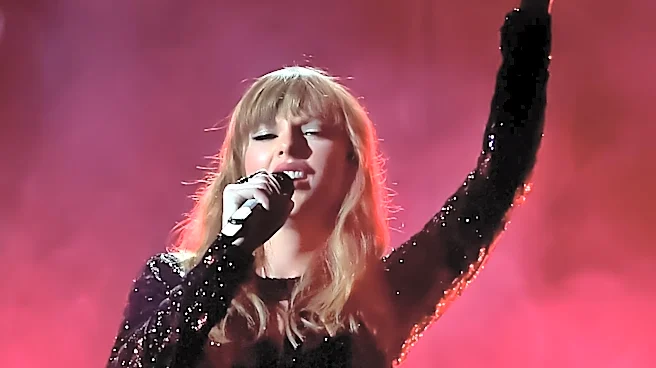
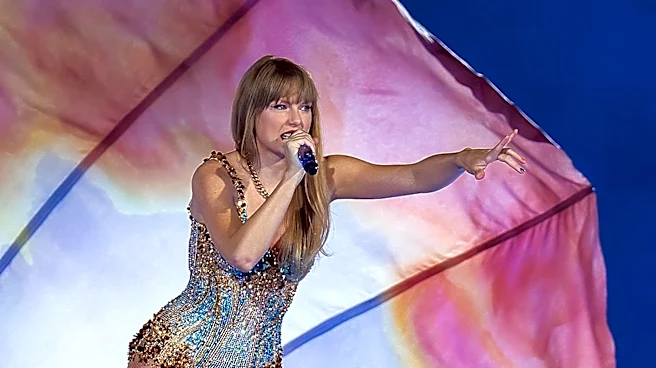
Pop artists are increasingly incorporating Y2K (early 2000s) fashion into their tour wardrobes, moving beyond traditional crystal-studded bodysuits. This trend includes items like glitter wrap tops, micro shorts, barely-there dresses, and tassels. Designer
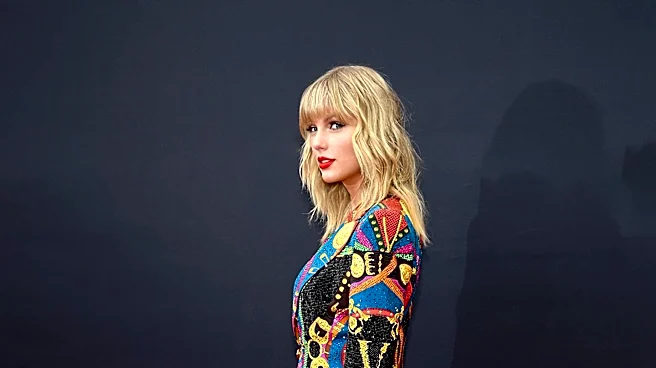
Kelsey Randall, known for creating Taylor Swift's rhinestone chainmail dress, has contributed to this movement by designing pieces for Hilary Duff's 'Lucky Me' tour, featuring glow-in-the-dark star dresses and other early-2000s details like CDs, metallic butterflies, and bubble discs. The Y2K aesthetic is also being adopted by artists who were not active during that era, such as Zara Larsson, whose 'Midnight Sun' aesthetic includes airbrushed baby tees, sequin micro skirts, and iPod-inspired minidresses. Addison Rae, born in 2000, has also embraced this style, drawing inspiration from Britney Spears's early looks. This resurgence of Y2K fashion on stage aims to evoke nostalgia and offer a fun alternative to established pop-star uniforms.
Why It's Important?
The embrace of Y2K fashion by prominent pop stars signifies a significant cultural and commercial shift in the entertainment industry and broader fashion landscape. This trend not only influences current fashion cycles but also taps into a powerful sense of nostalgia for audiences, potentially increasing engagement and merchandise sales. For designers like Kelsey Randall, this movement provides new opportunities for creative expression and commercial success, as artists seek unique and era-specific looks. The widespread adoption of Y2K styles by both established and newer artists suggests a broader appeal that transcends generational boundaries, making it relevant to both those who experienced the era and younger audiences discovering it. This trend can also impact retail, as demand for Y2K-inspired clothing and accessories rises, influencing fast fashion and vintage markets alike.
What's Next?
The continued prominence of Y2K fashion in pop culture suggests that this aesthetic will likely remain a significant trend in the near future. We can anticipate more artists incorporating these styles into their performances, music videos, and public appearances. This could lead to a further proliferation of Y2K-inspired collections from fashion brands, both high-end and mass-market. The trend may also evolve, with designers and stylists finding new ways to interpret and modernize early 2000s elements. Additionally, the influence of this trend could extend beyond clothing to other areas of lifestyle and design, as the broader cultural appeal of Y2K nostalgia continues to grow. The success of these looks on tour may also encourage other entertainment sectors to explore similar nostalgic themes.
Beyond the Headlines
The resurgence of Y2K fashion reflects a deeper cultural yearning for simpler times, predating the pervasive influence of smartphones and artificial intelligence. This nostalgic trend offers a form of escapism, allowing both artists and audiences to connect with an era perceived as less complex. Ethically, the trend highlights the cyclical nature of fashion and the potential for sustainable practices through the re-evaluation of past styles, though it also risks contributing to fast fashion if not managed consciously. Culturally, it underscores the power of pop music as a driver of fashion trends and a mirror of societal sentiment. The ability of artists to make these past eras 'their own' also speaks to the ongoing evolution of identity and self-expression through style, allowing for personal interpretation rather than mere replication.