



What's Happening?
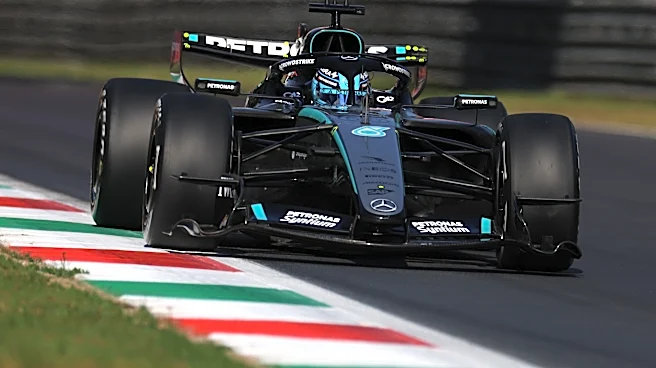
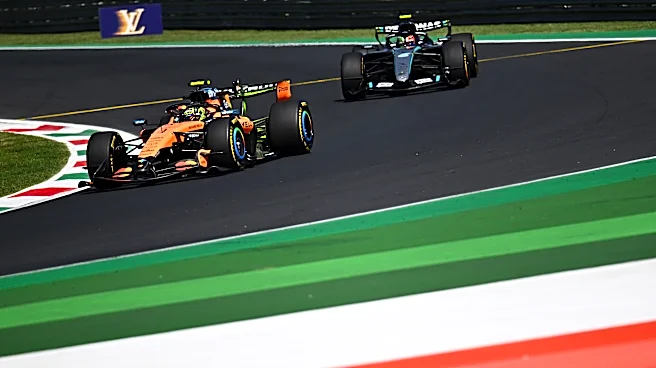
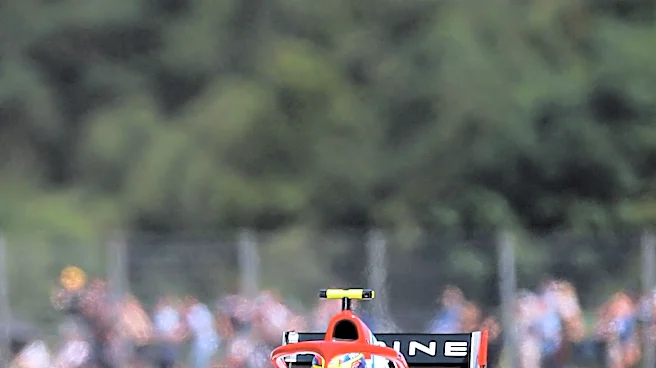
Argentine race driver Franco Colapinto experienced a mix of promise and disappointment at the Italian Grand Prix. Starting from seventh position, Colapinto demonstrated strong performance, climbing to fourth place before a red flag incident. Following
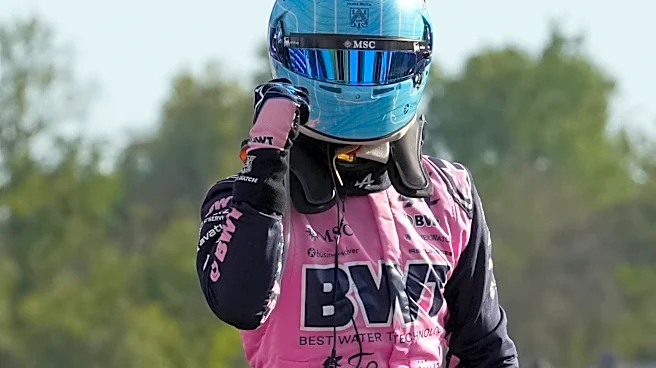
the restart, he briefly advanced to third, even overtaking Max Verstappen. However, his race took a turn when he lost control of his Alpine car at the Lesmo corner, sliding into the gravel. This error dropped him to 16th place. Despite the setback, Colapinto managed to recover, ultimately finishing ninth and securing two points for his team. Post-race, the 23-year-old driver was visibly emotional and expressed deep frustration over what he considered a 'wasted' opportunity, acknowledging his mistake as a significant one for both himself and the Alpine team. He conveyed his sadness but also his determination to learn from the experience and continue pushing forward.
Why It's Important?
Colapinto's performance at the Italian Grand Prix highlights the intense pressure and high stakes involved in top-tier motorsport. His ability to climb to a podium-contending position demonstrates his potential and the competitive capabilities of the Alpine car during the event. However, his subsequent error underscores how quickly fortunes can change in racing and the critical importance of precision and consistency. For Alpine, Colapinto's strong initial showing, coupled with his teammate Pierre Gasly securing pole position and finishing seventh, indicates the team's improved pace and potential to challenge front-runners. The emotional reaction from Colapinto also sheds light on the personal toll and mental fortitude required of drivers, especially when perceived opportunities for significant results are lost. This event could influence team strategies and driver development plans as Alpine aims to maximize its performance in future races.
What's Next?
Following this race, Franco Colapinto will likely focus on analyzing the incident at the Lesmo corner to understand the precise cause of his loss of control and implement strategies to prevent similar mistakes in the future. His stated commitment to learning from the experience suggests a period of self-reflection and technical review with his team. For Alpine, the strong performance of both drivers at Monza, despite Colapinto's error, will provide valuable data and confidence regarding the car's capabilities. The team will aim to build on this pace in upcoming races, seeking to convert promising positions into higher points finishes. Colapinto's emotional response may also lead to increased scrutiny or support from the team, emphasizing mental resilience alongside driving skill. The focus will be on consistent performance and minimizing errors as the season progresses.
Beyond the Headlines
Colapinto's emotional reaction extends beyond a typical post-race disappointment, touching upon the psychological pressures inherent in professional sports, particularly Formula 1. The public display of frustration and tears highlights the immense personal investment and the weight of expectation placed on drivers. This incident could spark broader discussions within motorsport about mental health support for athletes, especially young talents navigating high-pressure environments. Furthermore, the competitive nature of F1 means that every point and every opportunity is crucial for a driver's career trajectory and a team's standing in the constructors' championship. A 'wasted' opportunity, as Colapinto described it, can have long-term implications for a driver's confidence and perceived reliability, influencing future contract negotiations and team roles. The event serves as a stark reminder of the fine line between triumph and setback in elite racing.