





What's Happening?
Iondrive (ASX:ION) has officially entered the qualification process with the State of Oklahoma to secure potential incentives for its inaugural commercial rare earth recycling module in the U.S. The Oklahoma Department of Commerce has identified approximately
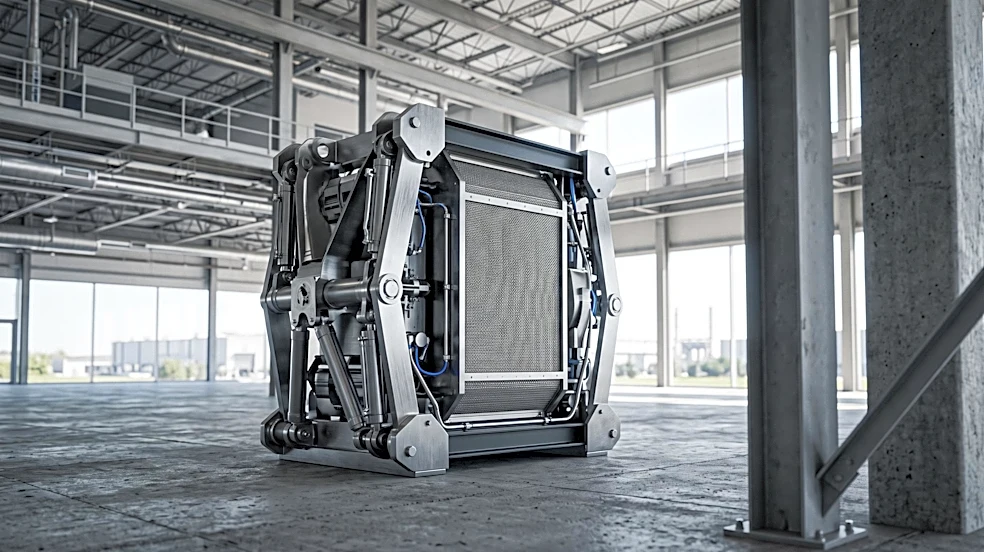
US$5.2 million in potential state and local benefits for this first commercial operation, contingent on Iondrive meeting specific program criteria. This initial incentive package is part of a larger framework that could exceed US$15 million across three commercial modules. The company has completed its U.S. entity registrations, and its application has been formally submitted under Oklahoma’s Quality Jobs program, marking the official start of qualification procedures. These performance-based incentives encompass payroll rebates, state and local tax incentives, and assistance for workforce training. Iondrive's CEO, Dr. Grant Caffery, stated that this move represents a significant step forward in establishing the company's first U.S. operation. The company is also pursuing additional funding avenues, including the Governor’s Quick Action Closing Fund and collaborations at federal, state, and tribal nation levels. Concurrently, Iondrive is advancing a targeted US$18 million senior debt facility through the USDA Business & Industry Guaranteed Loan Program, which offers up to an 80% guarantee on qualifying lender exposure. The company continues with module engineering, U.S. operational establishment, and engagement with potential feedstock and product counterparties.
Why It's Important?
This development is significant for the U.S. critical minerals sector, particularly in rare earth recycling. It signals a tangible step towards establishing domestic capabilities in processing and recycling these essential materials, which are crucial for various advanced technologies and national security. The potential for over US$15 million in incentives from Oklahoma underscores a growing governmental commitment to fostering a U.S.-based supply chain for critical minerals, reducing reliance on foreign sources. By supporting companies like Iondrive, the U.S. aims to enhance its economic resilience and technological independence. The establishment of rare earth recycling facilities can create new jobs, stimulate local economies, and contribute to environmental sustainability by recovering valuable materials from waste streams. This initiative aligns with broader national strategies to secure critical mineral supplies, which are vital for industries ranging from defense to renewable energy. Success in this venture could encourage further investment and development in the U.S. critical minerals processing industry, positioning the country as a more significant player in the global market.
What's Next?
Iondrive will proceed with the formal qualification procedures under Oklahoma’s Quality Jobs program, working to meet the specified criteria to access the identified state and local benefits. The company will also continue its efforts to secure additional funding, including the US$18 million senior debt facility through the USDA Business & Industry Guaranteed Loan Program and other federal, state, and tribal funding initiatives. Parallel to these financial pursuits, Iondrive will advance its module engineering, establish its U.S. operational infrastructure, and engage with prospective feedstock suppliers and product off-takers. The immediate goal is to bring the first commercial module into operation, which will serve as a foundation for future expansion. The successful implementation of this initial module will likely influence the pace and scale of subsequent modules and further investment in U.S. rare earth recycling capabilities. Stakeholders, including state and federal agencies, will closely monitor Iondrive's progress as a case study for domestic critical mineral initiatives.
Beyond the Headlines
This move by Iondrive, supported by Oklahoma's incentives, highlights a broader strategic shift in the U.S. towards re-shoring critical mineral processing and recycling. The reliance on foreign nations, particularly China, for rare earths has been identified as a national security and economic vulnerability. By investing in domestic recycling capabilities, the U.S. is not only addressing supply chain risks but also promoting a circular economy model for critical materials. This initiative could set a precedent for other states and industries to invest in similar ventures, fostering a more robust and sustainable domestic supply chain. Ethically, it promotes responsible resource management by reducing the need for new mining and mitigating environmental impacts associated with raw material extraction. Legally, the incentive programs demonstrate how government policy can be leveraged to de-risk private sector investments in strategic industries. Culturally, it signifies a growing awareness and commitment to environmental stewardship and national self-sufficiency in critical technological components.