





What's Happening?
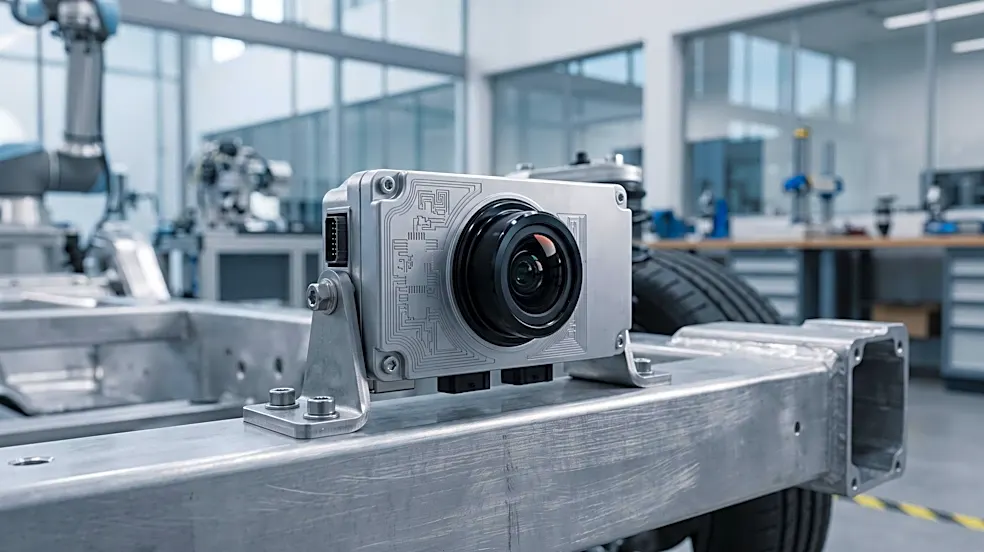
Mobileye has achieved its first inspection certificate from TÜV SÜD for its driver assistance development, specifically for its automatic emergency braking (AEB) development process. The audit confirmed that Mobileye's process adheres to ISO 21448, known
as Safety of the Intended Functionality (SOTIF). This standard addresses risks that can arise even when a system is operating as designed, focusing on how Mobileye identifies, evaluates, and mitigates these risks, including sensor limitations and challenging real-world conditions. This certification is a significant milestone as independent validation, rather than just accumulated test mileage, is becoming a crucial benchmark for proving the safety of Advanced Driver-Assistance Systems (ADAS). The certificate currently covers AEB, but Mobileye states that the same safety processes underpin its broader ADAS and autonomous driving initiatives.
Why It's Important?
This certification is highly important for the U.S. automotive market as AEB systems are becoming a regulatory requirement. U.S. rules will mandate AEB on new light vehicles by September 2029, making validated safety processes critical for manufacturers and suppliers. For Mobileye, this certification provides a competitive advantage, especially as cheaper ADAS chips from Chinese manufacturers enter the market. It allows Mobileye to differentiate its offerings based on independently verified safety standards, rather than solely on price. This could influence purchasing decisions by U.S. automakers, who prioritize safety and regulatory compliance. The emphasis on SOTIF also sets a precedent for how ADAS safety will be evaluated, potentially raising the bar for all players in the U.S. market and ultimately enhancing vehicle safety for consumers.
What's Next?
With AEB becoming a mandatory feature in new U.S. light vehicles by 2029, Mobileye's certification positions it favorably to meet upcoming regulatory demands and secure contracts with automakers. Other ADAS developers will likely pursue similar independent validations to remain competitive and demonstrate compliance. This could lead to a broader industry trend where third-party certifications become a standard requirement for ADAS components. Mobileye may also seek further certifications for its wider range of ADAS and autonomous driving systems, leveraging this initial success. The increased focus on SOTIF will drive further research and development into robust risk assessment and mitigation strategies across the automotive industry, impacting how future vehicle safety features are designed, tested, and deployed in the U.S. market.
Beyond the Headlines
The TÜV SÜD certification for Mobileye's ADAS development process highlights a critical shift in the automotive industry's approach to safety. Beyond merely preventing system malfunctions, the SOTIF standard addresses the complex ethical and legal implications of how ADAS performs in unforeseen or ambiguous real-world scenarios. This moves the industry towards a more holistic view of safety, where the 'intended functionality' itself is rigorously scrutinized for potential risks. This could lead to new legal frameworks and liability considerations for manufacturers and software developers in the U.S. The cultural implication is a growing public expectation for independently verified safety in autonomous and semi-autonomous vehicles, fostering greater trust but also demanding higher standards from technology providers. This development underscores the increasing complexity of ensuring safety in advanced automotive technologies.