

What's Happening?
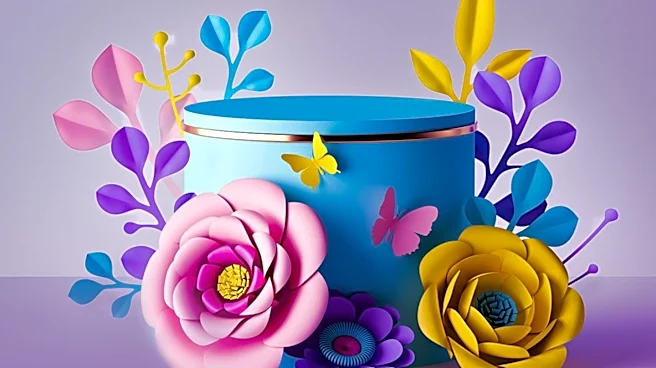
The 'butterflycore' aesthetic is gaining traction in home decor, characterized by its whimsical and nature-inspired elements. This trend moves away from minimalist, function-first interiors that often feature neutral palettes of grey, beige, and white.
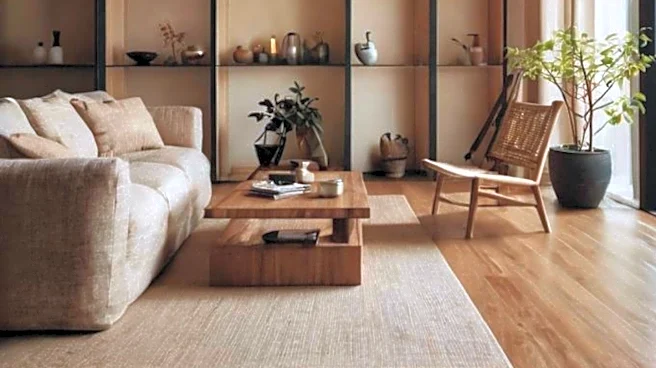
Instead, butterflycore encourages the incorporation of softness, color, and sentimentality. The aesthetic draws parallels with biophilic decor, which focuses on bringing the outdoors in through earthy colors, natural materials, plants, and sunlight. The symbolism of metamorphosis associated with butterflies, as highlighted by figures like Mariah Carey in relation to her 1997 album 'Butterfly,' resonates with the idea of personal transformation and embracing new stages in life. Jewelry designer Barbara Taveres also notes that people are drawn to elements that uplift them mentally and emotionally, suggesting that this trend is about maintaining a 'dreamlike vision' for one's life.
Why It's Important?
The rise of butterflycore signifies a broader shift in consumer preferences within the U.S. home decor market. This trend indicates a growing desire for more personalized, emotionally resonant, and visually engaging living spaces, moving away from the starker, more uniform styles that have dominated in recent years. For businesses in the home furnishings, interior design, and retail sectors, this presents an opportunity to innovate and offer products that align with this whimsical and nature-centric aesthetic. Manufacturers of textiles, wall coverings, decorative objects, and lighting fixtures can capitalize on the demand for butterfly-themed prints, sculptures, and soft, botanical-inspired color palettes. This shift could also influence the broader design industry, encouraging a re-evaluation of what constitutes a 'lived-in' and comfortable home environment, potentially leading to increased sales in categories that promote individuality and emotional connection to one's surroundings.
What's Next?
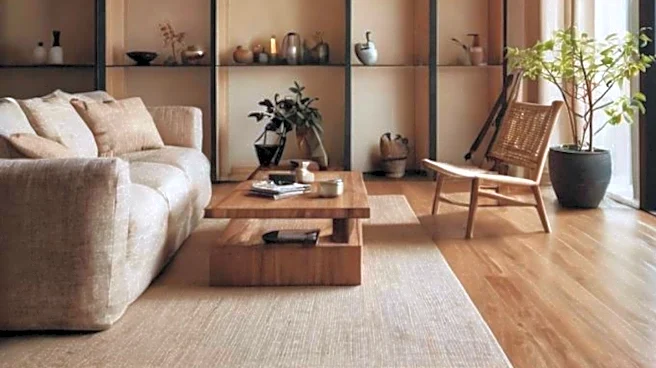
As butterflycore continues to evolve, consumers can expect to see a wider array of products and design inspirations incorporating its elements. Interior designers and retailers will likely showcase more examples of how to subtly integrate this aesthetic, such as through framed butterfly prints, themed wallpaper in smaller spaces, or three-dimensional wall sculptures. The emphasis will be on creating a feeling first, starting with soft, botanical-inspired colors, fresh flowers, natural textures like rattan and linen, vintage-inspired artwork, and delicate lighting. This foundational approach allows individuals to then decide the extent of overt butterfly references they wish to include. The trend's alignment with biophilic design suggests a continued focus on natural elements and a desire to connect with the outdoors, which could lead to further innovations in sustainable and nature-inspired home products.
Beyond the Headlines
Beyond its immediate impact on decor trends, butterflycore reflects a deeper cultural yearning for comfort, individuality, and a connection to nature in an increasingly digital and fast-paced world. The move away from 'spartan, function-first interiors' suggests a collective desire for spaces that feel more personal and less like showroom displays. This trend could be interpreted as a form of escapism, where individuals seek to create sanctuaries that evoke a sense of wonder and tranquility. Ethically, it encourages a more mindful approach to consumption, favoring items that bring joy and emotional value over purely utilitarian or trend-driven purchases. The emphasis on metamorphosis also subtly promotes themes of personal growth and resilience, transforming living spaces into reflections of one's evolving self and aspirations.