





What's Happening?
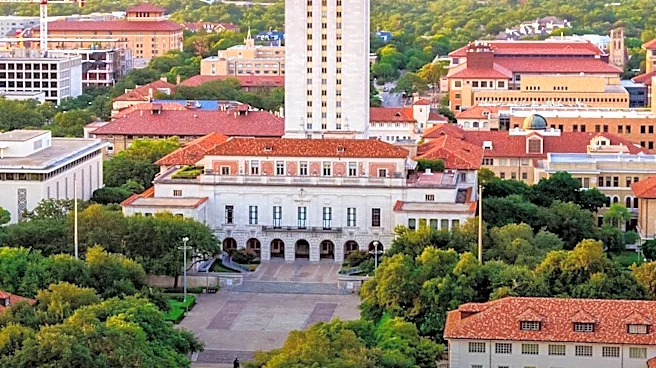
Richard Linklater's film 'Boyhood' is returning to theaters to mark its twelfth anniversary. The film, which was shot over twelve years in Texas, uniquely captures the real-time aging of its cast, including Ellar Coltrane and Lorelei Linklater, who play
the central siblings. The film compresses this extensive production period into a 165-minute narrative, offering a poignant portrayal of growing up. Upon its initial release, 'Boyhood' was critically acclaimed and received six Academy Award nominations, although it only won one for Best Supporting Actress, Patricia Arquette. The film's innovative use of time as a narrative device has been a significant talking point, with Linklater's approach being compared to other long-term projects like the British documentary series '7 Up!'. Despite some initial industry skepticism about its impact, 'Boyhood' has maintained its status as a groundbreaking work in cinema.
Why It's Important?
'Boyhood' stands out in the film industry for its ambitious use of time, capturing the authentic growth of its characters over a decade. This method not only challenges traditional filmmaking techniques but also offers audiences a unique viewing experience that resonates on a universal level. The film's return to theaters allows a new generation of viewers to experience its narrative, potentially influencing future filmmakers to explore similar long-term projects. The film's success and continued relevance highlight the potential for innovative storytelling in cinema, encouraging filmmakers to push the boundaries of conventional production timelines. Additionally, 'Boyhood's' exploration of universal themes such as family dynamics and personal growth continues to engage audiences, reinforcing its cultural and artistic significance.
What's Next?
As 'Boyhood' returns to theaters, it is accompanied by a recorded Q&A session with the cast, providing audiences with deeper insights into the film's production and impact. This re-release may spark renewed interest in Linklater's work and inspire discussions about the possibilities of long-term storytelling in film. The film's enduring appeal suggests that it will continue to be a reference point for discussions on innovative filmmaking techniques. Additionally, the success of this re-release could encourage other filmmakers to consider similar projects, potentially leading to a new wave of films that explore the passage of time in unique ways.
Beyond the Headlines
The re-release of 'Boyhood' also invites reflection on the broader implications of its storytelling approach. By capturing the real-time growth of its characters, the film offers a meditation on the nature of time and its impact on human life. This approach not only enhances the emotional depth of the narrative but also challenges audiences to consider their own experiences of growth and change. The film's focus on a specific cultural and socio-economic context also raises questions about representation in cinema and the universality of certain life experiences. As audiences revisit 'Boyhood', these themes may prompt discussions about the role of film in reflecting and shaping societal values.