





What's Happening?
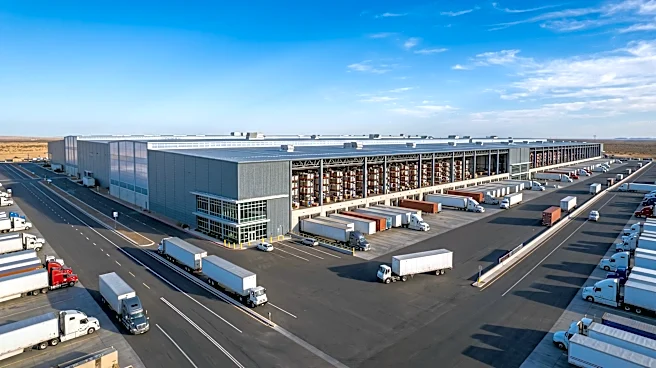
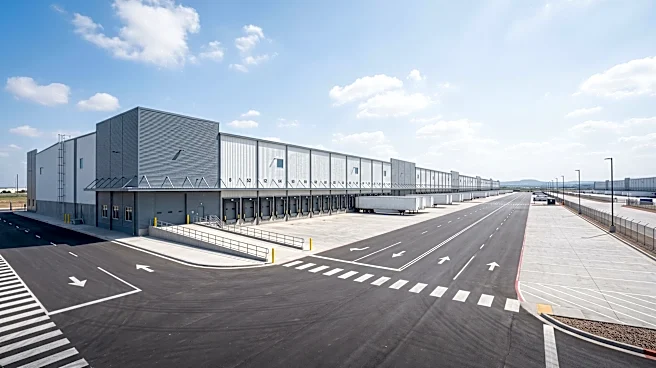
DoorDash is significantly expanding its operational model through DashMart, a network of proprietary micro-fulfillment centers. These facilities, unlike traditional retail stores, are 'dark stores' closed to walk-in customers and are solely dedicated
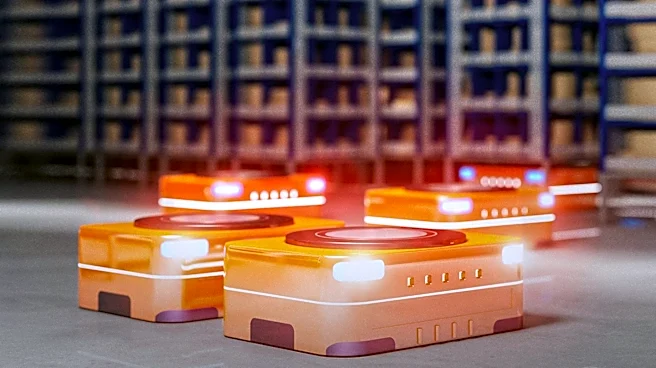
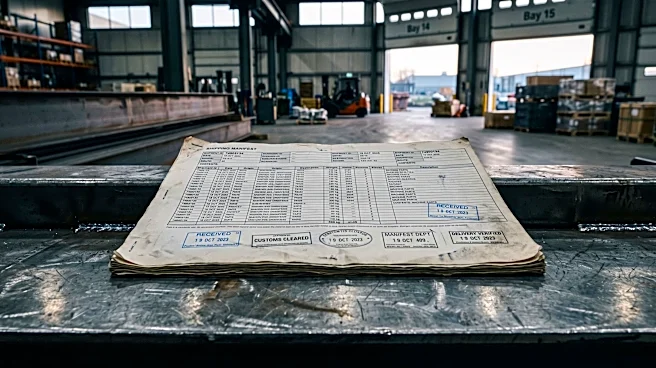
to fulfilling digital orders placed via the DoorDash application. DashMarts stock a wide array of items, from everyday convenience goods and fresh groceries to over-the-counter medicines and exclusive local merchant products. By directly purchasing inventory from consumer packaged goods (CPG) companies and local vendors, DoorDash acts as both the retailer and the delivery service. This vertical integration strategy aims to improve profit margins compared to standard delivery orders, where the platform shares commission fees with independent merchants. The operational workflow within DashMarts is highly optimized, utilizing real-time inventory management software and strategic physical layouts to ensure rapid order processing and dispatch. When a customer places an order, a digital picking list is sent to an on-site warehouse employee who uses zone-routing software for efficient item retrieval. The pre-packaged orders are then quickly handed off to Dashers, minimizing wait times and enhancing delivery speed.
Why It's Important?
The expansion of DashMart warehouses represents a strategic shift for DoorDash, transforming it from a pure-play tech platform into an asset-heavy logistics powerhouse. This move allows DoorDash to capture a larger share of the highly profitable convenience store and grocery sectors, directly competing with traditional retailers and other delivery services. By controlling the entire supply chain, DoorDash can ensure inventory accuracy, reduce out-of-stock issues, and maintain consistent delivery standards, leading to a more reliable customer experience. For consumers, this means faster and more dependable delivery of a wider range of products. For local businesses, DashMarts offer an invaluable distribution channel, providing access to millions of DoorDash users without the overhead of physical retail space. This model also creates stable W-2 employment opportunities for warehouse associates, offering consistent wages and benefits, a contrast to the gig-economy model for drivers.
What's Next?
DoorDash is expected to continue expanding its DashMart footprint, strategically positioning these micro-fulfillment centers within urban and suburban environments to further reduce delivery times and enhance market penetration. The company's focus on vertical integration suggests a continued effort to optimize profit margins and gain greater control over the supply chain. Future developments may include broadening the range of products offered through DashMarts, potentially extending into high-margin goods like consumer electronics, apparel, and beauty products. This infrastructure could also serve as a significant barrier to entry for traditional e-commerce giants looking to enter the instant-delivery space. DoorDash will likely continue to refine its internal logistics and technology within these warehouses to maximize throughput and efficiency, further solidifying its position in the quick-commerce sector.
Beyond the Headlines
The DashMart model has deeper implications for the future of retail and the gig economy. By creating 'dark stores' and directly managing inventory, DoorDash is blurring the lines between a technology platform and a traditional retailer. This vertical integration could lead to increased competition for existing grocery and convenience stores, potentially driving innovation or consolidation in the retail sector. Furthermore, the creation of W-2 employee roles within DashMarts signals a potential shift in employment models within the broader delivery industry, offering a more stable alternative to the independent contractor model prevalent among delivery drivers. This could influence labor practices and worker expectations across the gig economy. The ability to offer local businesses a high-volume digital storefront without significant overhead also democratizes access to wider markets, fostering local economic growth and diversifying product offerings for consumers.