




What's Happening?
Meta Platforms Inc. is re-evaluating its commitment to achieve carbon neutrality and water positivity by 2030, citing the unexpectedly rapid growth in demand for artificial intelligence infrastructure. According to its 2026 sustainability report, Meta's
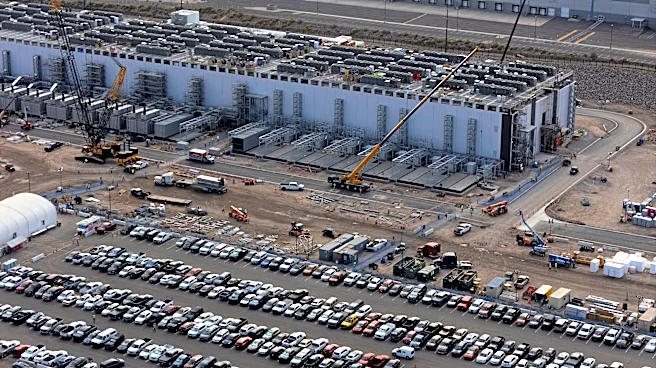
net emissions in 2025 increased by 45% year-over-year, reaching 11.8 million metric tons of carbon dioxide. The company's electricity consumption also rose by 35% year-over-year as more data centers became operational. Meta's data center and sustainability chiefs stated that they are 're-evaluating our timelines, sequencing, and interim milestones,' including the 2030 net-zero target. This shift is attributed to the massive energy demands of AI, exemplified by projects like the Hyperion data center in Louisiana, which is expected to create two gigawatts of capacity for AI when it comes online in 2030. Meta acknowledges that the demand for AI infrastructure has grown faster than projected, impacting its environmental goals.
Why It's Important?
Meta's re-evaluation of its climate goals highlights a growing tension between rapid technological advancement, particularly in AI, and corporate sustainability commitments within the U.S. tech sector. This move could set a precedent for other major tech companies like Microsoft, Amazon, and Google, which have also faced challenges in meeting their climate targets due to AI's energy demands. The increased carbon emissions from Meta's operations contribute to the broader climate crisis, potentially worsening natural disasters and extreme weather patterns that affect U.S. communities and infrastructure. For environmental advocacy groups and stakeholders, this represents a significant setback in corporate responsibility efforts. Economically, the massive investment in AI infrastructure, while driving innovation, also places substantial demands on state energy grids, potentially leading to increased energy costs and infrastructure strain across the U.S. The decision underscores the complex trade-offs between technological progress and environmental stewardship.
What's Next?
Meta has stated it remains committed to net zero emissions but will adjust its 2030 timeline. This suggests that the company will likely announce revised targets and strategies for emissions reduction in future sustainability reports. Stakeholders, including investors, environmental organizations, and regulatory bodies, will be closely monitoring Meta's updated plans and progress. The company may explore further investments in renewable energy sources and more energy-efficient data center designs to mitigate its environmental impact. However, the continued expansion of AI infrastructure will likely keep energy consumption high. Other tech giants may also follow suit in publicly adjusting their climate timelines, prompting a broader discussion within the industry about the sustainability of AI development. Regulatory bodies might also consider new policies or incentives to encourage more sustainable AI infrastructure development, potentially influencing how tech companies operate in the U.S.
Beyond the Headlines
The challenge Meta faces in balancing AI growth with climate goals points to a deeper systemic issue within the technology industry: the environmental cost of innovation. The narrative often focuses on the benefits of AI, but its underlying infrastructure demands significant energy and resources. This situation raises ethical questions about corporate responsibility in an era of rapid technological expansion and the true 'cost' of digital advancement. It also highlights the need for more sustainable AI development practices, from hardware design to algorithm optimization, to reduce energy footprints. The reliance on massive data centers, like Hyperion, also brings into focus issues of local environmental impact, such as water usage and strain on regional power grids. This could lead to increased scrutiny from local communities and governments regarding the siting and operation of such facilities, potentially influencing future infrastructure development and energy policy in the U.S.