
What's Happening?
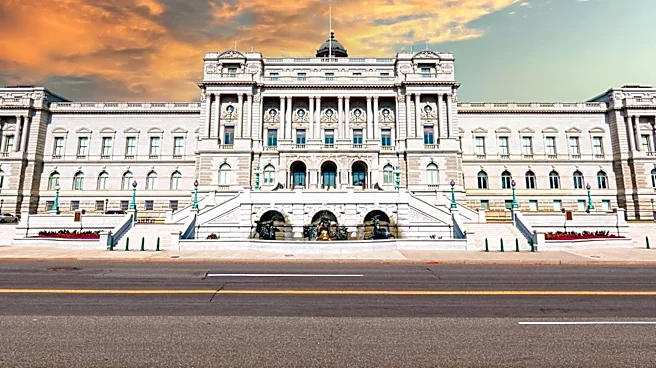
A Library of Congress catalog entry, part of the Lowell Folklife Project collection (AFC 1987/042) at the American Folklife Center, connects Fado musicians with the IV Seasons Restaurant in Lowell, Massachusetts.
This folklife file places the music genre and the downtown restaurant on the same line within a collection dedicated to the city's folk culture. The IV Seasons Restaurant, according to its own description, has been a significant establishment in downtown Lowell for over 31 years. While citations are automatically generated and may not always be complete or accurate, this specific entry distinctly links Fado musicians to the restaurant within the context of Lowell's cultural heritage. This connection highlights the restaurant's role in the local cultural landscape, particularly concerning folk traditions.
Why It's Important?
This catalog entry is important because it formally recognizes and preserves a piece of Lowell's cultural history, specifically the intersection of its culinary scene and folk music traditions. For the IV Seasons Restaurant, this inclusion in a national archive like the Library of Congress provides a unique form of historical validation and cultural significance, potentially drawing attention to its long-standing presence and contribution to the community. For Fado musicians, the link to a specific local establishment in Lowell underscores the localized presence and appreciation of this musical form outside its traditional origins. This documentation helps in understanding how cultural elements, like music and cuisine, intertwine and become part of a city's unique identity, offering valuable insights for cultural researchers and enthusiasts alike.
Beyond the Headlines
The inclusion of a local restaurant in a national folklife catalog alongside musicians suggests a deeper narrative about the role of community spaces in preserving and promoting cultural practices. It implies that establishments like the IV Seasons Restaurant are not merely commercial venues but also informal cultural hubs where traditions, such as Fado music, are experienced and sustained. This connection could spark further interest in Lowell's diverse cultural heritage, encouraging exploration of how other local businesses and community centers contribute to the city's unique identity. It also raises questions about the criteria for inclusion in national archives and how local, everyday establishments come to be recognized as significant cultural touchstones, reflecting a broader understanding of 'folklife' that extends beyond traditional art forms to encompass the social environments where they thrive.