





What's Happening?
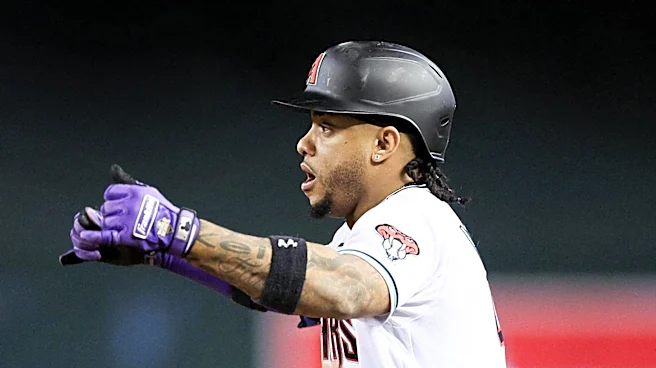
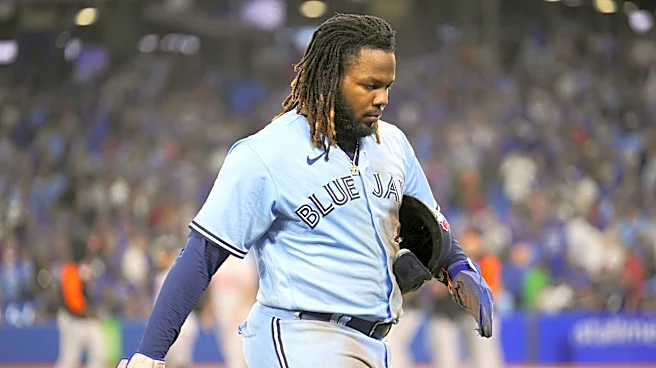
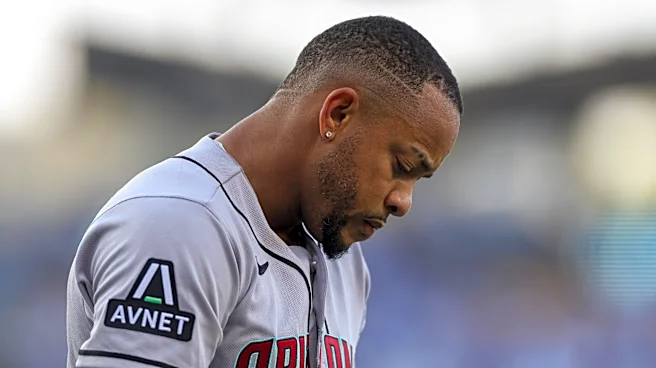
Reports regarding the Toronto Blue Jays' potential trade for Arizona Diamondbacks second baseman Ketel Marte have been met with conflicting information. MLB insider Héctor Gómez initially reported that the Blue Jays were intensifying talks for Marte and
discussing a four-year, $135 million extension. However, Sportsnet's Ben Nicholson-Smith later provided a different perspective, stating that while the Jays have 'some interest' in Marte, a deal does not appear close. Nicholson-Smith indicated that Arizona's asking price is high and Marte possesses full 10-and-5 rights, allowing him to block any trade. The Arizona Republic's Nick Piecoro further noted that the Diamondbacks left GM meetings without clarity on which teams Marte would approve a trade to. Marte's current contract includes approximately $87.5 million remaining over five seasons, with deferrals and an $11.5 million player option for 2031, adding complexity to any potential extension for the 33-year-old. Concerns also exist regarding Marte's reliability, stemming from an incident where he did not appear for a game in Boston on August 17.
Why It's Important?
This situation highlights the complexities and uncertainties involved in high-profile MLB trades, particularly when star players have significant contractual control. For the Blue Jays, acquiring a player like Marte could address their offensive struggles, as they finished last in baseball with 648 runs and 152 homers in 2026. However, the financial commitment and Marte's age and past reliability issues present considerable risks. Overpaying for a 33-year-old with potential off-field questions could become a long-term financial burden for the team. For the Diamondbacks, Marte's trade value is significant, but his veto rights give him considerable leverage, potentially limiting their options and the return they can expect. The differing reports also underscore the speculative nature of the trade market, where initial rumors can quickly be tempered by more nuanced reporting, impacting team strategies and fan expectations.
What's Next?
The Blue Jays will likely continue to monitor the situation with Ketel Marte, alongside other potential targets such as Brandon Lowe and Jazz Chisholm Jr. A trade for Marte would depend on several factors: Arizona's willingness to lower its asking price, and Marte's approval of a move to Toronto. If these conditions align, discussions could rapidly intensify. Conversely, if the price remains high or Marte is disinclined to join the Blue Jays, Toronto will need to pivot to other options to bolster its lineup. The ongoing negotiations and Marte's decision will significantly influence the Blue Jays' offseason strategy and their ability to address their offensive needs for the upcoming season. The market for middle infielders will also be affected by Marte's eventual destination, as other teams pursuing similar talent will adjust their strategies accordingly.
Beyond the Headlines
The dynamic surrounding Ketel Marte's potential trade reflects a broader trend in modern baseball where player empowerment, through contract clauses like veto rights, significantly influences team transactions. This power shift means that even highly motivated teams cannot unilaterally complete deals without player consent, adding layers of negotiation and uncertainty. The discussion around Marte's age and contract extension also touches upon the perennial challenge for MLB teams: balancing immediate competitive needs with long-term financial prudence. Investing heavily in older players, even star performers, carries inherent risks of declining performance and injury, which can hamstring a team's payroll for years. This situation serves as a case study in the intricate dance between player agents, team front offices, and media speculation that defines the MLB trade landscape.