






What's Happening?
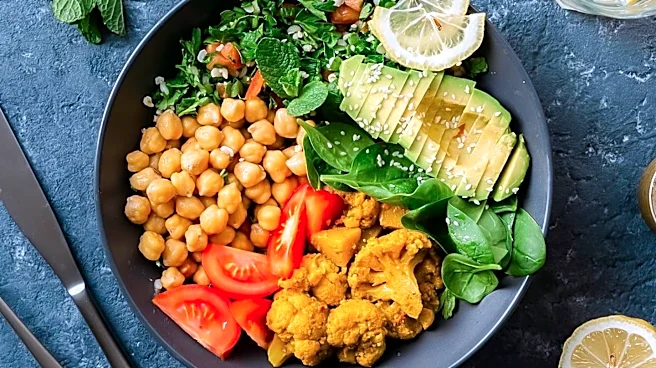
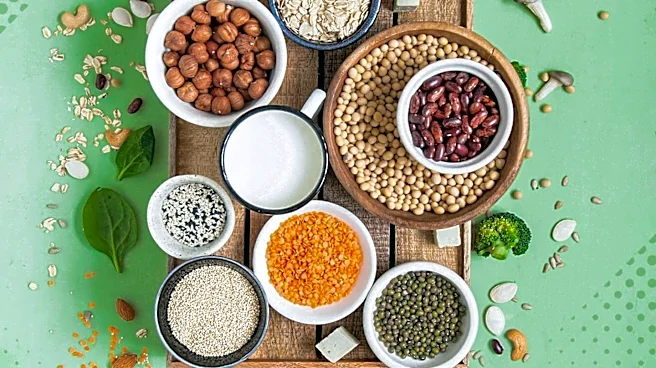
Dietitian Natalie Rizzo advises limiting red meat consumption to one serving per week due to its high saturated fat content, which is linked to increased risks of heart disease and colorectal cancer. Instead, she recommends incorporating more plant-based
proteins, poultry, and fish into diets. The American Heart Association and American Cancer Society also suggest reducing red and processed meat intake, emphasizing the benefits of plant proteins and omega-3-rich fish for heart and brain health.
Why It's Important?
This dietary guidance aligns with growing evidence linking high red meat consumption to health risks, prompting a shift towards plant-based and lean protein sources. By reducing red meat intake, individuals can potentially lower their risk of chronic diseases and improve overall health. This advice may influence dietary habits and public health policies, encouraging a broader adoption of plant-based diets.
What's Next?
As awareness of the health risks associated with red meat grows, there may be increased demand for plant-based protein alternatives. This could drive innovation in the food industry and lead to more diverse and accessible plant-based options. Public health campaigns may also focus on educating consumers about the benefits of reducing red meat consumption.
Beyond the Headlines
The recommendation to limit red meat consumption reflects broader trends towards sustainable and health-conscious eating. As consumers become more informed about the environmental and health impacts of their food choices, there may be a cultural shift towards more plant-based diets, influencing food production and consumption patterns.