







What's Happening?
Recent studies have shown that plant-based diets can significantly benefit individuals with type 2 diabetes, particularly in India, where diabetes prevalence is high. These diets improve insulin sensitivity and lead to modest reductions in HbA1c levels,
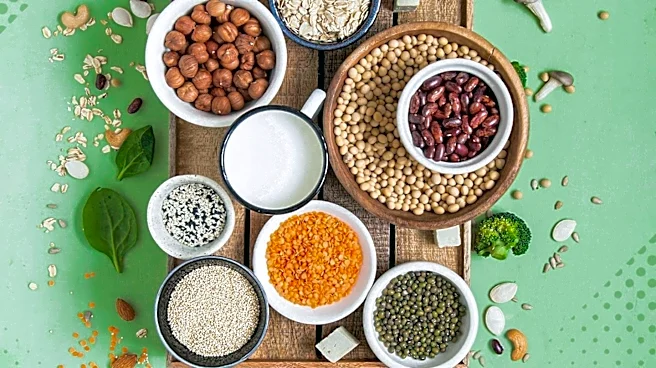
comparable to some medications but without side effects. Plant-based diets also promote weight loss and reduce LDL cholesterol, which is crucial since cardiovascular disease is a leading cause of death among diabetics. The research emphasizes the importance of whole-food, high-fiber diets over processed plant-based foods. The findings suggest that incorporating more plant-based meals can improve glycemic control and overall health for diabetics.
Why It's Important?
The findings are significant as they offer a dietary approach to managing diabetes, a major health concern in India and globally. By improving insulin sensitivity and reducing cardiovascular risk factors, plant-based diets can potentially reduce healthcare costs and improve quality of life for diabetics. This dietary shift also aligns with global trends towards sustainable eating, as plant-based diets have a lower environmental impact compared to meat-heavy diets. The research supports the growing movement towards plant-based eating as a viable strategy for managing chronic diseases.
What's Next?
As evidence supporting plant-based diets for diabetes management grows, healthcare providers may increasingly recommend these diets to patients. This could lead to the development of more resources and support systems for individuals transitioning to plant-based eating. Additionally, there may be increased interest in researching the long-term effects of plant-based diets on diabetes and other chronic conditions. Public health initiatives could focus on educating the population about the benefits of plant-based diets and how to implement them effectively.