




What's Happening?
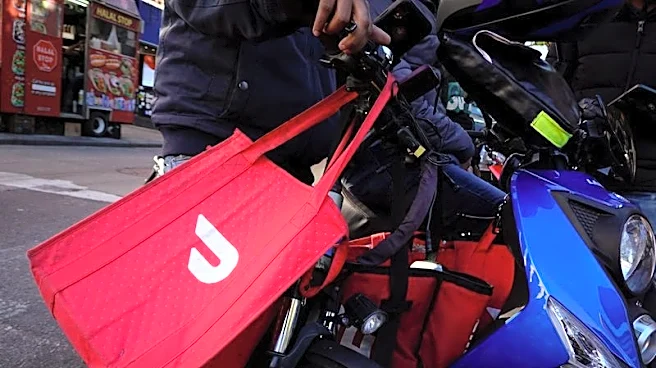
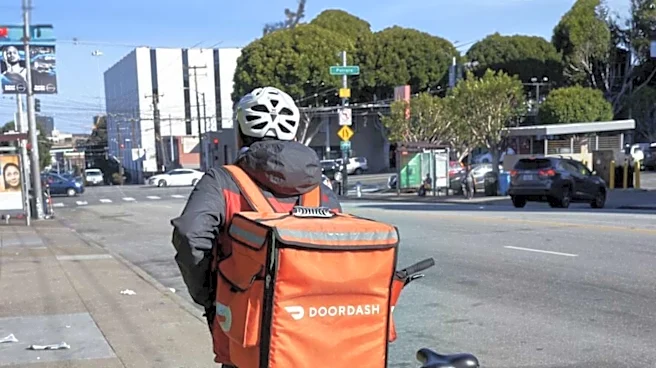
DoorDash has made a $17 billion acquisition offer for Instacart, a move that could significantly consolidate the grocery delivery industry in the U.S. and internationally. The proposed transaction aims to merge DoorDash's extensive global footprint and logistical
capabilities with Instacart's specialized software and established merchant relationships. Both companies believe this combination would strengthen their position against major retail competitors, including Amazon. If approved, the merger would allow Instacart's brand and app to remain, with its 600,000 independent contractor shoppers continuing to fulfill orders. Customers currently subscribing to both DashPass and Instacart+ would have the option for a single unified fee, and Instacart users would gain access to an additional 50,000 merchants available through DoorDash. Supermarkets would also retain the flexibility to use either service platform.
Why It's Important?
This proposed acquisition carries significant implications for the U.S. delivery sector, consumers, and grocery retailers. The consolidation of two major players could diminish market competition, potentially leading to increased costs for consumers due to fewer choices and reduced competitive pressure on pricing. For grocery retailers, the merger could mean fewer delivery partners, potentially weakening their negotiating power and increasing their reliance on a single dominant platform. However, DoorDash co-founder and CEO Tony Xu argues that the deal could empower independent grocers to better compete against large retail powerhouses like Walmart, Costco, and Amazon by providing them with advanced technology and efficient delivery services. The transaction highlights the ongoing trend of consolidation in the tech and delivery sectors, as companies seek to achieve economies of scale and expand their market reach in a highly competitive landscape.
What's Next?
The proposed acquisition is subject to approval by Instacart shareholders and regulatory authorities, with an expected closing by late 2027 or early 2028. Regulatory bodies will likely scrutinize the deal for potential antitrust concerns, given the significant market share the combined entity would command in the grocery and general goods delivery space. If approved, the integration process will involve combining technological platforms, logistical networks, and customer bases, while maintaining distinct brand identities for Instacart and DoorDash. Competitors in the delivery market will need to reassess their strategies to contend with a larger, more integrated rival. Consumers will await details on the unified subscription model and expanded merchant access, while grocery retailers will monitor the impact on their delivery partnerships and operational costs. The outcome of regulatory reviews will be a critical determinant of the deal's future.
Beyond the Headlines
This merger proposal reflects the intense competition and evolving landscape of the last-mile delivery industry, driven by changing consumer habits and technological advancements. Beyond the immediate business implications, the consolidation raises broader questions about market power, labor practices for independent contractors, and the future of local commerce. A dominant delivery giant could exert significant influence over pricing, service standards, and the terms of engagement for both merchants and gig workers. Ethically, concerns may arise regarding potential monopolistic practices and their impact on small businesses and consumer choice. Legally, antitrust regulators will face the challenge of balancing innovation and efficiency gains against the potential for reduced competition. Culturally, the deal underscores the increasing reliance on on-demand delivery services as a fundamental part of modern consumer life, further integrating technology into everyday purchasing habits and reshaping the retail ecosystem.