




What's Happening?
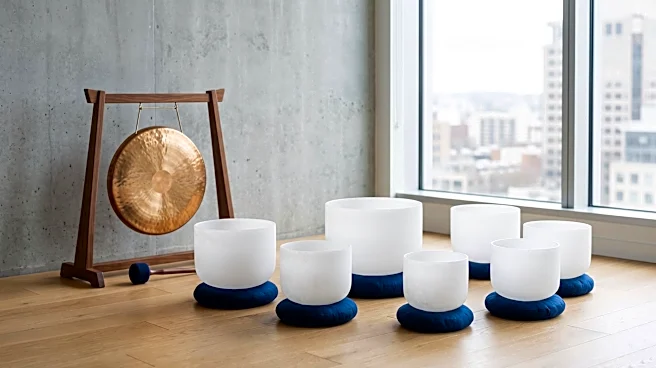
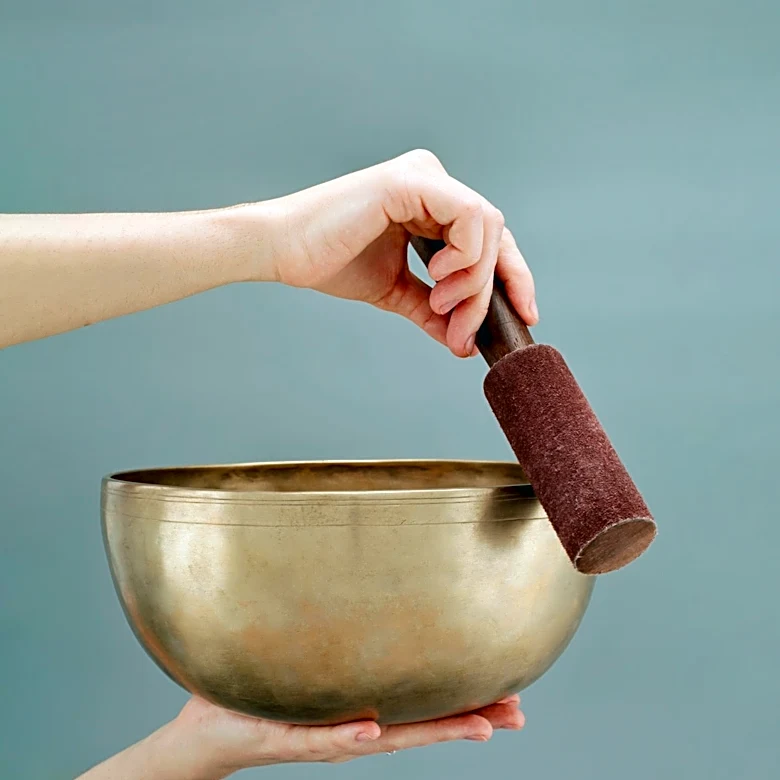
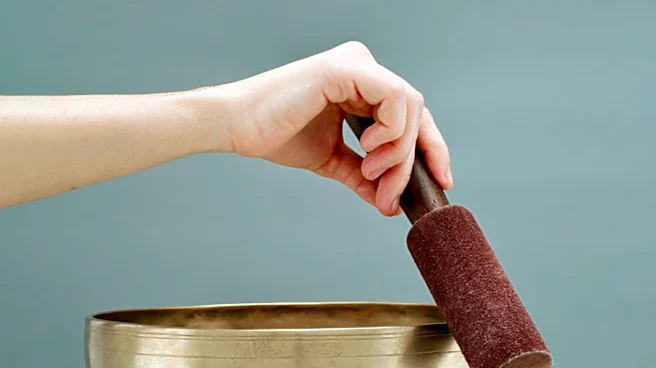
Corporate sound baths are gaining traction as a workplace wellness initiative, offering guided group relaxation sessions using instruments like crystal bowls, gongs, and chimes. Unlike traditional meditation classes, these sessions require no instruction,
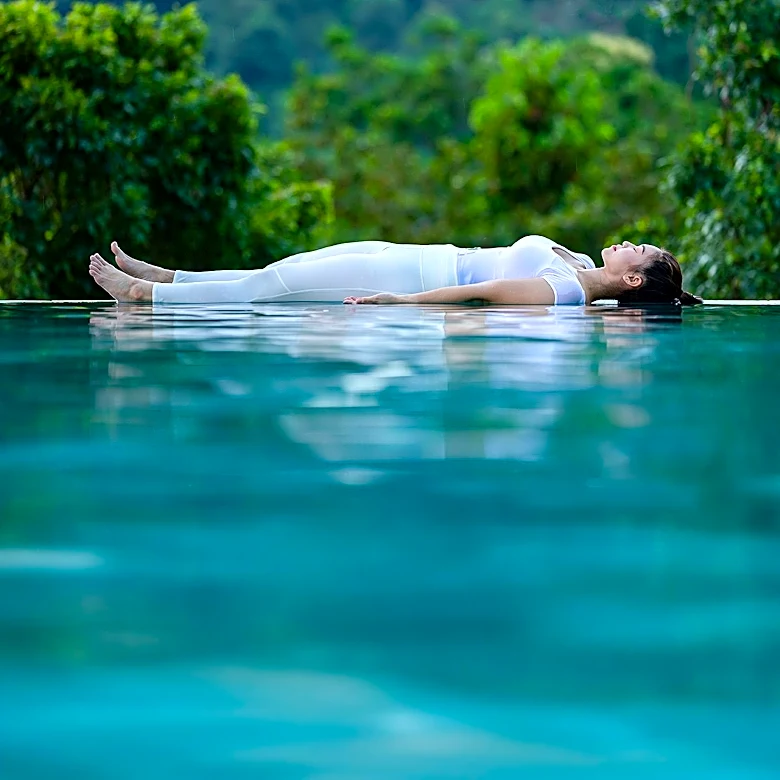
performance, or sharing from employees, making them a low-demand option suitable for a diverse workforce. Participants simply sit or lie down and listen, allowing the sound frequencies to induce relaxation and stress reduction. This trend is being investigated by larger organizations as part of broader employee wellness programs, moving beyond niche experimentation. Companies like Dream Lotus provide on-site services, handling all logistics and equipment, requiring only a room and seating from the client. The sessions typically last between 45 and 90 minutes and can be conducted in offices, conference rooms, or offsite retreat venues.
Why It's Important?
The adoption of corporate sound baths signifies a notable evolution in workplace wellness strategies, moving beyond conventional offerings like step-count challenges and free fruit. This shift reflects a growing understanding that effective wellness programs must cater to a diverse employee base, including introverts and those hesitant to engage in activities requiring vulnerability or physical exertion. By providing a low-demand, low-technology intervention, companies can offer a tangible benefit that addresses chronic stress and burnout, which are significant contributors to absenteeism and reduced productivity. The emphasis on passive participation removes barriers to entry, encouraging broader engagement across the workforce. This investment in unique wellness experiences can also serve as a powerful retention tool, signaling to employees that their well-being is a priority, thereby fostering higher morale and job satisfaction in an increasingly competitive labor market.
What's Next?
As corporate sound baths continue to gain popularity, more companies are likely to integrate them into their employee wellness portfolios. The ease of implementation, with facilitators managing all setup and equipment, makes it an attractive option for HR teams seeking impactful yet logistically simple solutions. Further research and anecdotal evidence on the benefits of sound baths in workplace settings, particularly regarding stress reduction, improved focus, and enhanced morale, will likely drive wider adoption. The trend suggests a future where workplace wellness programs prioritize accessibility and diverse engagement, moving towards offerings that accommodate various employee preferences and comfort levels. This could lead to a broader acceptance of alternative and holistic wellness practices within corporate environments, potentially influencing the design of future employee benefits packages and workplace culture initiatives.
Beyond the Headlines
The emergence of corporate sound baths points to a deeper societal recognition of the pervasive impact of stress in modern work environments and the need for innovative solutions. It highlights a cultural shift where ancient healing practices are being recontextualized and integrated into contemporary corporate settings. This trend challenges traditional notions of productivity, suggesting that intentional periods of rest and mental reset are not merely perks but essential components of sustainable performance and employee well-being. The 'low-demand' nature of sound baths also subtly critiques the pressure for constant engagement and performance often found in corporate culture, offering a space for employees to simply 'be' without expectation. This could foster a more compassionate and human-centered approach to work, ultimately contributing to a healthier and more balanced workforce that values mental and emotional restoration as much as output.