




What's Happening?
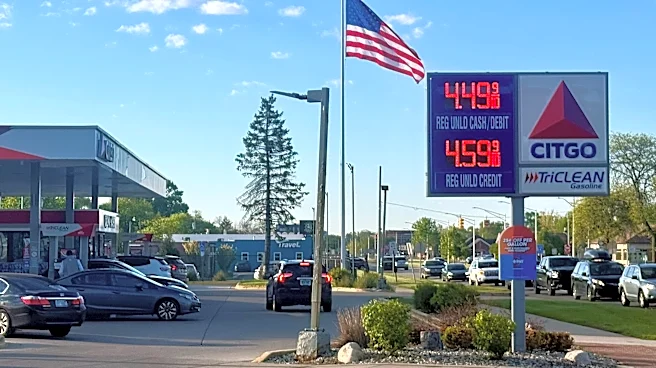
The cost of regular gasoline in Philadelphia's five-county region has increased by 13 cents in the past week. This surge in gas prices is a notable development for consumers and commuters in the area. The report from CBS News indicates a rapid change
in fuel costs, impacting daily expenses for residents. While the exact causes for this specific regional increase are not detailed in the provided information, such fluctuations are typically influenced by factors like crude oil prices, refinery output, and regional demand. The sudden jump suggests a dynamic and potentially volatile market for gasoline in the Philadelphia metropolitan area.
Why It's Important?
This increase in gas prices directly affects the disposable income of residents in the Philadelphia region, potentially leading to adjustments in household budgets and spending habits. Higher fuel costs can translate to increased operational expenses for businesses reliant on transportation, such as delivery services, logistics companies, and local retailers, which may in turn lead to higher prices for goods and services. For the broader economy, sustained increases in gas prices can contribute to inflationary pressures and potentially dampen consumer confidence. Commuters face higher daily costs, which could influence decisions about travel, work, and leisure activities. The regional nature of this surge highlights how local market conditions and supply-demand dynamics can create specific economic impacts even within a larger national context.
What's Next?
Consumers in the Philadelphia region should anticipate continued monitoring of gas prices, as further fluctuations are possible. Businesses may need to evaluate their pricing strategies and operational efficiencies to absorb or pass on increased fuel costs. Local authorities and economic analysts will likely observe these trends to understand their broader impact on regional economic indicators. The situation could prompt discussions about energy policies or consumer relief measures if the price increases persist or escalate. Residents might also explore alternative transportation methods or fuel-efficient vehicles to mitigate the financial burden of higher gas prices.
Beyond the Headlines
The rapid increase in gas prices in a major metropolitan area like Philadelphia underscores the vulnerability of local economies to global energy market shifts. Beyond the immediate financial impact, such price hikes can influence urban planning, public transportation usage, and even residential patterns as people consider commuting costs. It also highlights the ongoing debate about energy independence, renewable energy sources, and the role of government in stabilizing fuel markets. The psychological effect on consumers, who often view gas prices as a key indicator of economic health, can also be significant, potentially influencing overall sentiment and spending behavior beyond just fuel purchases.