
What's Happening?
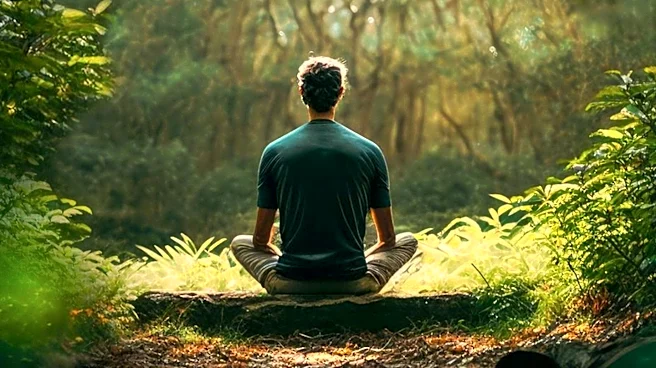
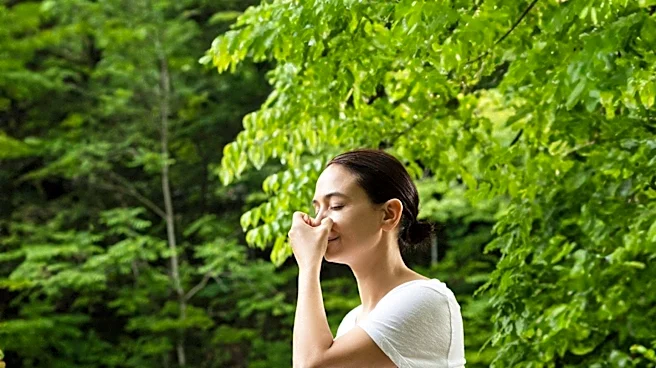
Shinrin-yoku, or forest bathing, is a Japanese wellness practice that involves spending time in a forest to reduce stress and improve health. Introduced in 1982 by the Japanese Forestry Agency, it aims
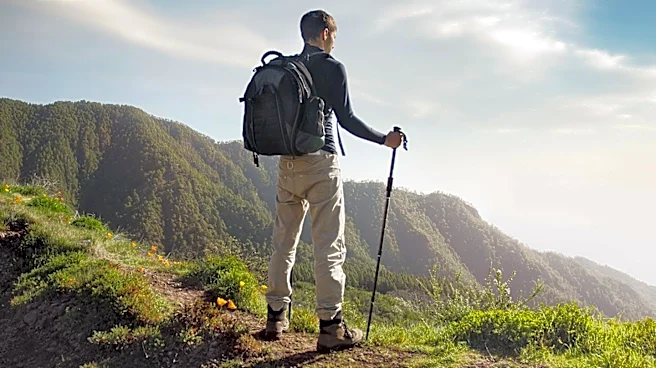
to counter urban stress and reconnect people with nature. Unlike a hike, forest bathing focuses on mindful presence and engagement with the forest's sights, sounds, and smells. It has measurable effects on the body, including reduced cortisol levels, lower blood pressure and heart rate, and boosted immune function. Forest bathing also improves sleep quality, reduces inflammation, and lowers scores for anxiety, depression, anger, and fatigue. It can be practiced in any green space and is supported by scientific research indicating its benefits for stress and psychological wellbeing.
Why It's Important?
The practice of shinrin-yoku is significant as it offers a natural, accessible method to improve mental and physical health. In a fast-paced, technology-driven world, forest bathing provides a counterbalance by promoting relaxation and reducing stress. The health benefits, such as improved immune function and reduced stress hormones, are particularly relevant for individuals dealing with chronic stress, high blood pressure, or sleep issues. As healthcare costs rise, practices like forest bathing offer a low-cost, preventive approach to health that can complement traditional medical treatments. Its growing popularity in the U.S. reflects a broader trend towards holistic health practices that integrate mental and physical well-being.
What's Next?
As awareness of forest bathing grows, it is likely to be integrated more widely into wellness programs and public health initiatives. Healthcare providers may increasingly recommend it as a complementary practice for stress management and overall health improvement. Additionally, urban planning could incorporate more green spaces to facilitate access to nature for city dwellers. The practice may also inspire further research into its benefits and applications, potentially leading to new therapeutic approaches that harness the healing power of nature.