








What's Happening?
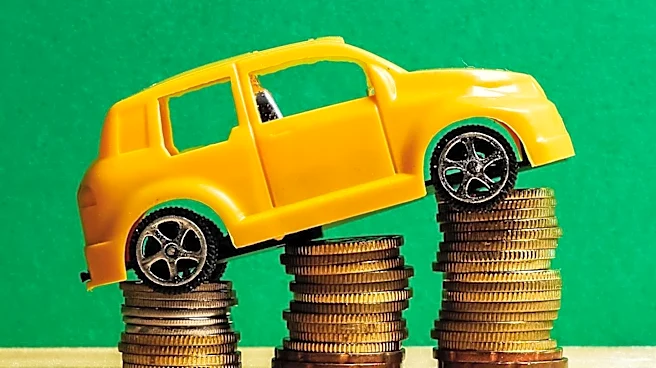
In 2026, the average price of new cars in the U.S. has approached $50,000, with data from Cox Automotive's Kelley Blue Book indicating an average price of $49,758 in June. This marks a 0.4% increase from May and a 0.6% rise from the previous year. Additionally,
Lending Tree reports that 9.6% of Americans with active auto loans are making monthly payments of $1,000 or more, a significant increase from 8.6% last year. This high payment is equivalent to 14% of the median household monthly income of $7,147. Despite these financial pressures, many consumers continue to purchase vehicles out of necessity, adjusting their budgets and vehicle choices accordingly. The USA TODAY Cars team has identified several budget-friendly options for 2026, including the Kia K4 and Mazda3 sedans, and the Mazda CX-50 hybrid and Toyota bZ SUVs.
Why It's Important?
The rising costs of new vehicles and the increasing burden of high monthly payments reflect broader economic challenges facing U.S. consumers, including inflation and high interest rates. These financial pressures are reshaping consumer behavior, as many buyers are forced to prioritize affordability and adjust their expectations. The trend towards higher car payments could have significant implications for household budgets, potentially reducing disposable income and affecting other areas of consumer spending. Automakers and dealerships may need to adapt their strategies to meet the demand for more affordable vehicles, while financial institutions could face increased scrutiny over lending practices and the sustainability of high auto loan payments.
What's Next?
As car prices continue to rise, consumers may increasingly turn to alternative transportation options, such as public transit or car-sharing services, to mitigate costs. Automakers might focus on developing more cost-effective models or enhancing financing options to attract budget-conscious buyers. Policymakers could also consider interventions to address the affordability of vehicles, such as incentives for electric and hybrid cars or measures to stabilize interest rates. The automotive industry will likely monitor these trends closely to anticipate shifts in consumer demand and adjust their production and marketing strategies accordingly.