



What's Happening?
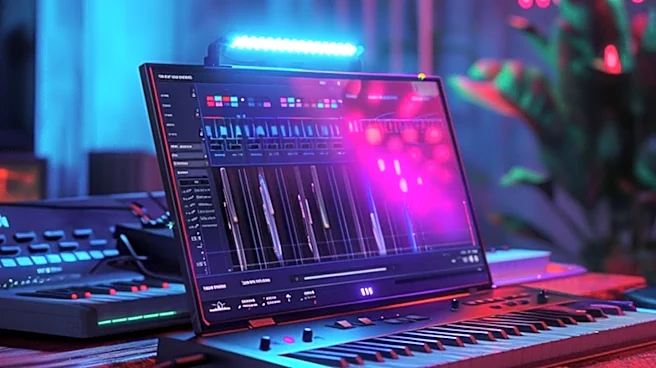
Udio, a privately held company founded in 2023 and headquartered in New York, New York, specializes in AI music generation. The company offers an AI Music Generator, Music Creation Tool, and Music Discovery Platform. Udio has secured significant licensing
agreements with Universal Music Group and Warner Music Group, effective by late 2025. These partnerships allow Udio to train new AI models using the catalogs of these major music labels and collaborate with participating artists. The platform enables users to generate full songs, including lyrics and vocals, from short text descriptions. It also supports user-provided lyrics, extensions, remixes, and style referencing from existing tracks or uploaded recordings. Udio operates on a credit-based system, offering a free plan with limited daily and monthly credits, and paid plans with higher allowances and priority features. While an official iOS app is available, the company's help center states that any Android applications bearing the Udio name are unauthorized.
Why It's Important?
Udio's licensing agreements with Universal Music Group and Warner Music Group mark a pivotal moment for the AI music generation industry in the U.S. These partnerships provide Udio with access to vast music catalogs, potentially enhancing the sophistication and quality of its AI-generated music. This development could significantly impact the music industry by democratizing music creation, allowing a broader range of individuals, from aspiring songwriters to content creators, to produce original music. For established artists and labels, it presents new avenues for collaboration and model training, potentially leading to innovative musical forms. However, it also raises questions about intellectual property rights, fair compensation for artists whose work is used for AI training, and the evolving definition of originality in music. The availability of both free and paid tiers suggests a strategy to capture a wide user base, from casual enthusiasts to professional musicians, further integrating AI into mainstream music production.
What's Next?
Following the licensing agreements, Udio is expected to continue refining its AI models, leveraging the extensive music catalogs from Universal Music Group and Warner Music Group. This could lead to more nuanced and diverse AI-generated music, potentially expanding the platform's capabilities and user base. The company will likely focus on integrating these new training data sets to improve its AI Music Generator, Music Creation Tool, and Music Discovery Platform. Future developments may include enhanced features for collaboration with artists and potentially new monetization strategies for AI-generated content. The absence of an official Android app suggests a potential future expansion into the Android market, which could significantly broaden its reach. The ongoing evolution of AI music generation will also necessitate continuous dialogue and potential adjustments regarding copyright, royalties, and ethical considerations within the music industry.
Beyond the Headlines
The rise of AI music generation platforms like Udio introduces profound ethical and legal considerations for the U.S. music industry. The use of existing music catalogs for AI training, even with licensing agreements, sparks debates about the originality of AI-generated works and the potential for 'deepfakes' in music, where AI could mimic an artist's style or voice without their explicit consent. This technology could redefine authorship and ownership in music, challenging traditional copyright frameworks. Furthermore, the accessibility of AI music creation tools might lead to an oversaturation of the market, making it harder for human artists to stand out. On the cultural front, it raises questions about the role of human creativity versus algorithmic generation in artistic expression. The long-term impact could see a shift in how music is produced, consumed, and valued, potentially leading to new legal precedents and industry standards to navigate the complex interplay between AI and human artistry.