
What's Happening?
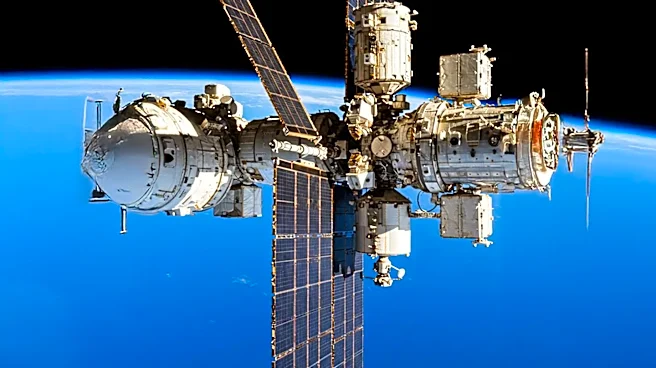
Axiom Space, a U.S.-based human space exploration company, is actively recruiting a Systems Engineering Manager for its Requirements & Architecture team. This role is critical for the development of Axiom Station,
which is intended to succeed the International Space Station. The company is focused on building next-generation orbital settlements to foster innovation in microgravity and drive the global space economy. The Systems Engineering Manager will be responsible for leading a team that handles stakeholder analysis, concept of operations development, functional analysis, interface control, and technical requirements management. This position requires a leader who can shape system architecture and ensure programs are built on clear, traceable, and well-managed requirements. Axiom Space is also a principal provider of commercial human spaceflight services and a developer of advanced spacesuits for lunar and beyond missions, highlighting its broad involvement in the commercial space sector. The company emphasizes fostering an inclusive work environment and is seeking a dynamic leader for this pivotal role.
Why It's Important?
This recruitment signifies Axiom Space's continued progress and investment in developing private space infrastructure, which is crucial for the future of U.S. leadership in space exploration. The Axiom Station is poised to replace the International Space Station, marking a significant shift towards commercial operation of orbital platforms. This transition could reduce reliance on government-funded space stations and open new avenues for private research, manufacturing, and tourism in low-Earth orbit. The role of a Systems Engineering Manager is vital in ensuring the technical integrity and successful execution of such complex projects, directly impacting the safety, functionality, and longevity of future space habitats. The success of Axiom Station could also stimulate economic growth within the U.S. aerospace industry, creating jobs and fostering technological advancements that have terrestrial applications. Furthermore, the development of advanced spacesuits by Axiom Space underscores the company's role in supporting future human missions to the Moon and beyond, aligning with broader national space objectives.
What's Next?
The successful candidate for the Systems Engineering Manager position will immediately begin leading critical aspects of Axiom Station's development, focusing on architectural design and requirements management. This will involve defining system and subsystem interfaces, leading requirements decomposition, and ensuring technical accountability across multiple projects. The company will continue to staff programs with qualified engineers and drive process maturity, including the adoption of Model-Based Systems Engineering (MBSE). Axiom Space will also focus on aligning engineering strategy with company-wide goals, representing engineering in leadership forums, and communicating progress to stakeholders. Future developments will likely include further announcements regarding partnerships, mission schedules, and technological milestones as Axiom Station progresses from design to construction and eventual deployment. The company's ongoing efforts in commercial human spaceflight services and advanced spacesuit development will also continue, potentially leading to more commercial missions and contributions to NASA's Artemis program.
Beyond the Headlines
The push by Axiom Space to develop a commercial space station represents a fundamental shift in how space infrastructure is conceived, funded, and operated. This move could democratize access to space, allowing a wider range of entities, from private companies to international partners, to conduct research and operations in orbit without direct government oversight. This commercialization also raises new legal and ethical questions regarding property rights in space, liability for orbital debris, and the governance of private space stations. The development of advanced spacesuits by a private entity also signifies a growing trend of private companies taking on roles traditionally held by national space agencies, potentially accelerating innovation but also requiring new regulatory frameworks. The long-term implications include the potential for a robust off-Earth economy, with space becoming a new frontier for industrial expansion, resource utilization, and even permanent human settlement, fundamentally altering humanity's relationship with space.