


What's Happening?
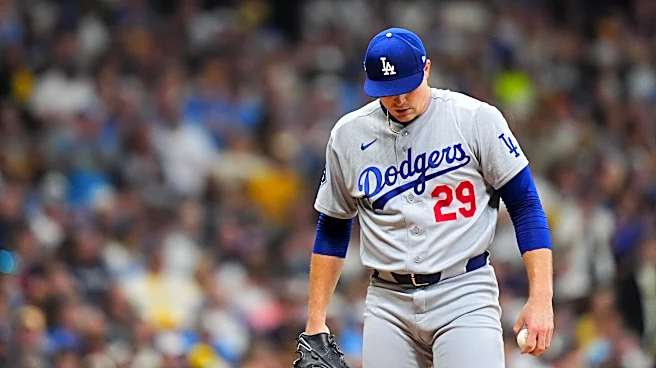
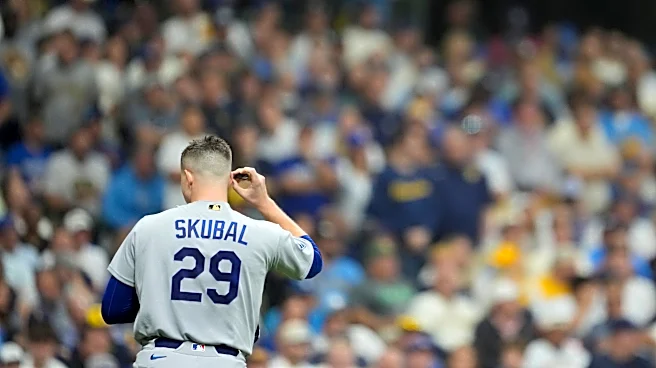
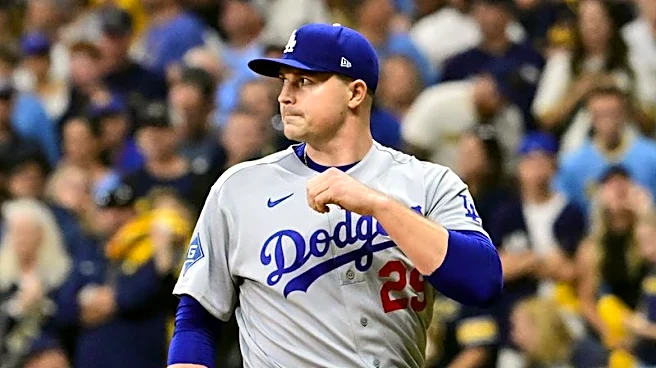
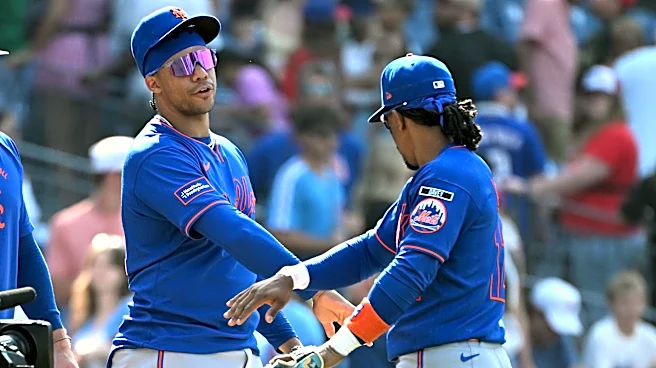
The Los Angeles Dodgers are navigating significant changes to their pitching rotation following the departure of left-hander Tarik Skubal, who signed a nine-year, $450 million contract with the New York Mets. This move, as noted by Dylan Hernandez of the California
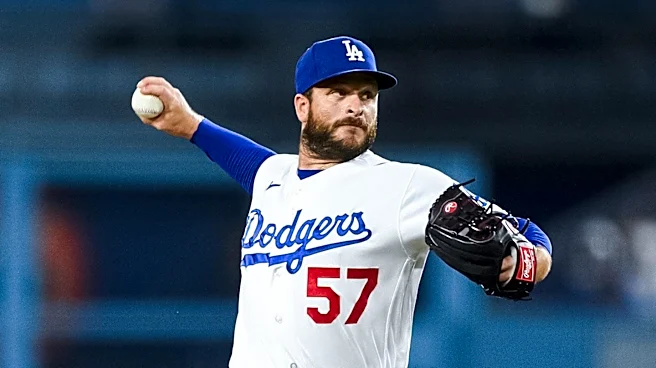
Post, signals an end to the Dodgers' recent era of extensive offseason spending. With Skubal's exit, a crucial spot has opened in the Dodgers' five-man rotation. Among the contenders for this position is 26-year-old left-hander Justin Wrobleski, who had a standout first half in 2026 with a 10-2 record and a 2.69 ERA, filling in for injured pitchers Blake Snell and Tyler Glasnow. While his second half saw a decline in performance (2-3, 6.13 ERA), his ability to pitch deep into games is a significant asset, as highlighted by Jen Vestuto of MLB.com. Wrobleski logged 185 innings in 2026, second only to Yamamoto, more than doubling his previous Major League innings total. Other young arms vying for the spot include Roki Sasaki and Gavin Stone. Additionally, the Dodgers have added Royce Lewis, a versatile right-handed depth option capable of playing corner infield and second base.
Why It's Important?
The Dodgers' strategic shift away from exorbitant spending, as indicated by their failure to retain Skubal, could reshape their team-building philosophy and impact the competitive balance in MLB. The opening in the rotation presents a critical opportunity for young pitchers like Justin Wrobleski. His potential to secure a regular starting role could provide the Dodgers with a cost-effective solution for their pitching needs, especially given his demonstrated ability to handle a heavy workload. This is particularly valuable for an organization that has historically managed starter workloads carefully. The success or failure of these young pitchers in filling the void left by a high-caliber arm like Skubal will directly influence the Dodgers' performance in upcoming seasons. Furthermore, the acquisition of Royce Lewis addresses a need for right-handed depth and defensive versatility, offering more flexibility in their lineup and infield configurations. These internal developments and strategic acquisitions are crucial for the Dodgers to maintain their competitive edge in the National League.
What's Next?
The Dodgers will likely hold a competitive spring training to determine the final spot in their starting rotation. Justin Wrobleski, Roki Sasaki, and Gavin Stone will be closely evaluated based on their performance and ability to consistently pitch deep into games. The team's management will need to assess whether Wrobleski's first-half dominance in 2026 was sustainable or if his second-half struggles indicate a need for further development. The integration of Royce Lewis into the team will also be a key focus, as the Dodgers aim to maximize his offensive upside and defensive versatility. His performance in spring training will dictate his role and playing time during the regular season. The Dodgers' overall strategy will involve balancing the development of their young talent with the immediate demands of contending for a championship, especially after a period of significant financial investment in star players. Their approach to managing pitching workloads will also be under scrutiny as they rely more on emerging arms.
Beyond the Headlines
The Dodgers' decision to not re-sign Tarik Skubal, despite their previous reputation for high-spending, could signal a broader shift in MLB's economic landscape, where even perennial contenders might become more judicious with mega-contracts. This could lead to increased emphasis on player development and internal talent pipelines across the league. For Wrobleski, securing a permanent rotation spot would not only be a personal career milestone but also a testament to the Dodgers' player development system. His ability to pitch deep into games, a quality increasingly valued in an era of bullpen reliance, could make him a cornerstone of the rotation for years to come. The success of players like Wrobleski and Lewis, who represent internal growth and strategic acquisitions rather than blockbuster free-agent signings, could influence how other MLB franchises approach team construction, potentially fostering a more sustainable model for long-term competitiveness. This shift could also impact player salary expectations and the overall free-agent market dynamics in future offseasons.