








What's Happening?
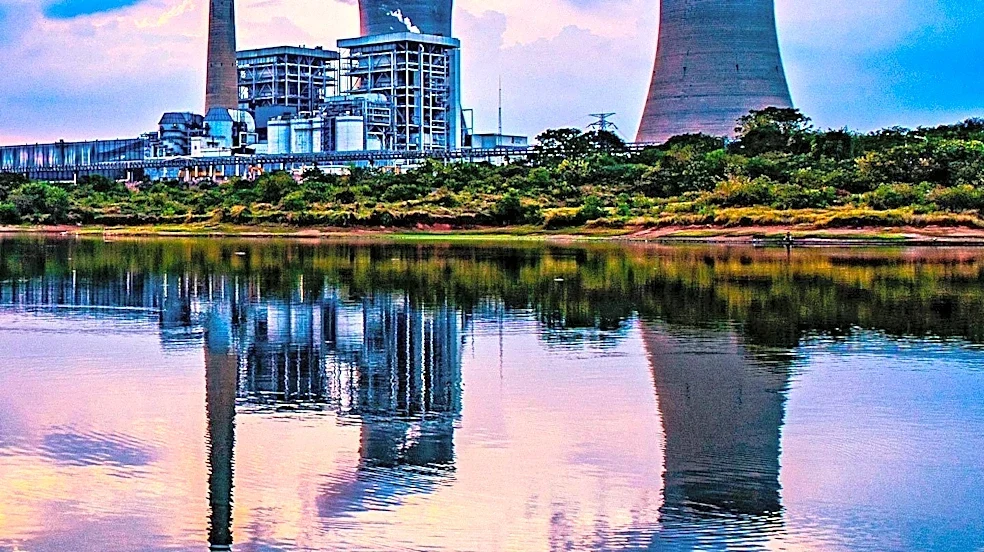
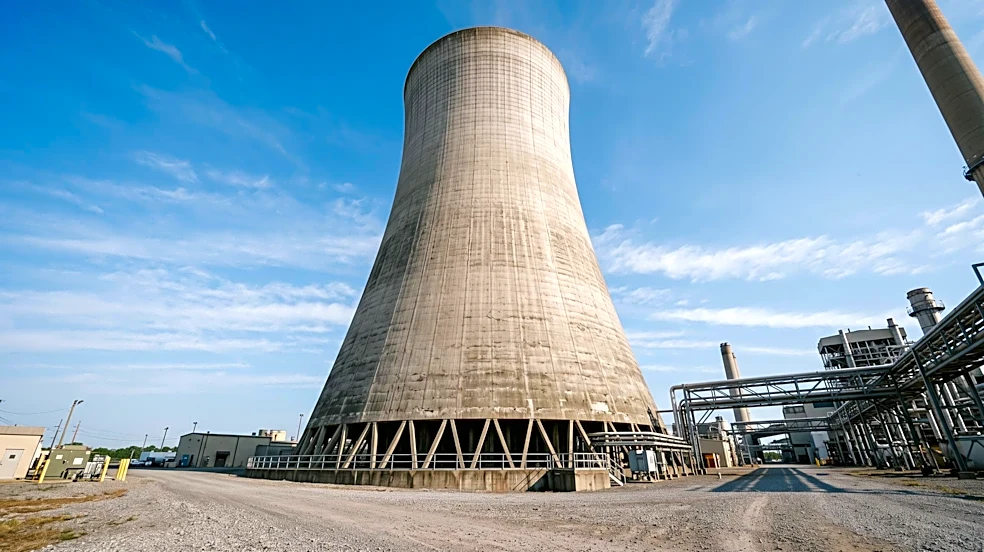
The Kentucky Public Service Commission has granted approval to Kentucky Power, an investor-owned utility, to proceed with the construction of a replacement cooling tower and the partial demolition of an existing aging tower at a coal-fired power plant
near Moundsville, West Virginia. The project is estimated to cost $191 million. The approval is contingent on Kentucky Power utilizing a $51 million federal grant to cover a portion of these costs. The utility had sought this project due to the deteriorating condition of the current cooling tower, which posed a risk of catastrophic failure in extreme weather events and threatened the plant's capacity to meet regional power grid requirements. The commission noted that Kentucky Power presented credible evidence regarding the safety hazards and the need for the replacement. This decision comes amidst ongoing scrutiny of Kentucky Power, including an audit by the commission, concerning its planning for ratepayers in Eastern Kentucky, a region known for high electricity bills and economic challenges. The costs of the project will be shared between Kentucky Power and Wheeling Power, both subsidiaries of American Electric Power.
Why It's Important?
This approval is significant for several reasons. Firstly, it addresses critical infrastructure needs for maintaining reliable electricity service in Eastern Kentucky, a region that has historically faced economic hardship and high utility costs. The project aims to prevent potential power outages and ensure the plant's continued operation, which is vital for regional energy stability. Secondly, the reliance on a $51 million federal grant highlights the role of federal funding in supporting essential utility infrastructure projects, potentially mitigating the financial burden on ratepayers. However, the commission's allowance for Kentucky Power to potentially recover remaining costs from ratepayers in the future underscores the ongoing tension between utility investments and consumer affordability. The project also reflects the challenges of managing aging coal-fired power plants, which are slated for retirement in the coming decades, and the need for strategic investments to ensure their safe and efficient operation until their planned decommissioning. The Sierra Club's conditional support, emphasizing the need for future discussions on new power generation, points to broader environmental and energy policy considerations.
What's Next?
Kentucky Power is now authorized to move forward with the $191 million project, which involves building a new cooling tower and partially demolishing an old one at the coal-fired power plant. The Kentucky Public Service Commission will require Kentucky Power to provide regular updates on the construction and demolition progress, as well as the status of the $51 million federal grant. The utility will need to finalize the grant agreement with the U.S. Department of Energy. While the federal grant will cover a significant portion of the costs, Kentucky Power may seek to recover the remaining expenses from ratepayers through future rate cases or other mechanisms, which could lead to further public and regulatory discussions. The plant itself is scheduled for retirement in 2040, meaning this investment is intended to ensure its operational integrity for the next 14 years. Environmental groups like the Sierra Club will likely continue to monitor the project and advocate for broader energy planning that includes new power generation sources.
Beyond the Headlines
The approval of this cooling tower project for Kentucky Power delves into the complex interplay between energy infrastructure, economic development, and environmental concerns in the U.S. The decision to invest significantly in a coal-fired power plant, even with a federal grant, highlights the ongoing reliance on fossil fuels in certain regions, particularly those with historical ties to coal industries. This raises questions about the pace of transition to renewable energy and the economic implications for communities dependent on these traditional energy sources. The scrutiny of Kentucky Power's planning and its impact on ratepayers in Eastern Kentucky also underscores broader issues of energy equity and affordability, especially in economically vulnerable areas. The project's contingency on federal funding illustrates how national policies and grants can influence local energy decisions and potentially shape the future energy landscape. Furthermore, the Sierra Club's intervention, while not opposing the project outright, emphasizes the persistent call for utilities to integrate long-term, sustainable energy strategies rather than solely focusing on maintaining existing infrastructure.