


What's Happening?
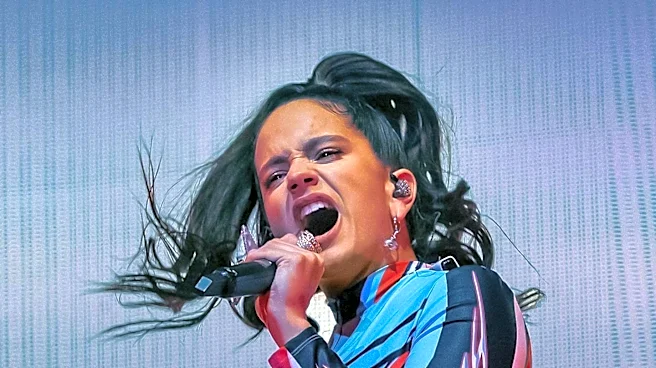
The New Yorker has published a review detailing the career of British singer and songwriter Raye, born Rachel Agatha Keen. The article discusses her theatrical pop nostalgia, often breaking the fourth wall in her performances. Raye, who grew up in South
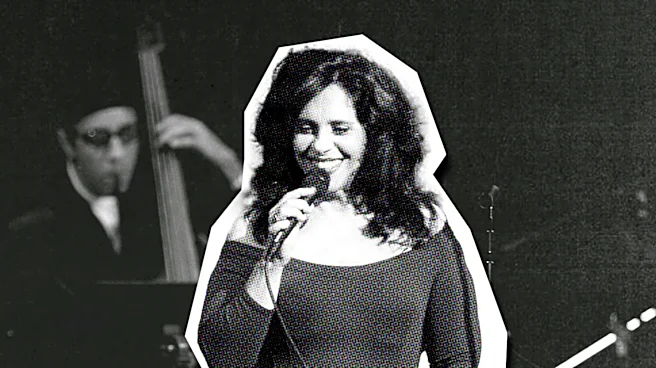
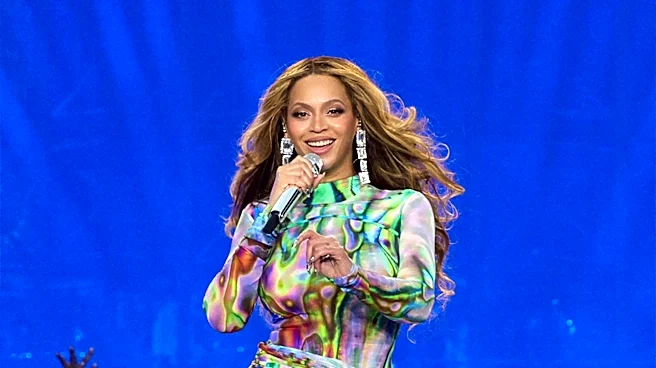
London with a Ghanaian Swiss mother and a white English father, was influenced by jazz artists like Ella Fitzgerald and Louis Armstrong. She aspired to attend the BRIT School, a notable institution for singers including Adele and Amy Winehouse, but dropped out at sixteen. After signing with Polydor Records at seventeen, she released early work on SoundCloud and later contributed songwriting to artists such as Beyoncé and John Legend. In 2021, Raye publicly expressed frustration over a long-term record deal that prevented her from releasing an album. Her subsequent albums, 'My 21st Century Blues' and 'This Music May Contain Hope,' delve into personal themes including addiction, sexual assault, and body dysmorphia, while also paying homage to blues and jazz traditions.
Why It's Important?
Raye's career trajectory, as detailed in The New Yorker, is important for understanding the challenges and evolution within the U.S. and international music industry. Her public struggle with a restrictive record deal highlights issues of artistic control and contractual limitations that many artists face. Her ability to transition from a songwriter for other major artists to a critically acclaimed solo performer, earning numerous Grammy nominations, demonstrates resilience and the potential for artists to reclaim their narrative. Her music, which blends retro big-band sounds with contemporary themes and personal storytelling, reflects a broader trend in pop music of artists drawing from diverse influences while addressing modern social and personal issues. This narrative can inspire emerging artists and inform industry discussions about artist development and fair contracts.
Beyond the Headlines
Beyond the immediate success and critical acclaim, Raye's story touches on deeper implications within the music industry regarding artistic freedom and mental health. Her candidness about addiction, sexual assault, and body dysmorphia in her music not only resonates with listeners but also contributes to a growing movement of artists using their platforms to address sensitive topics. This shift towards more personal and exhibitionistic songwriting challenges the traditional, often sanitized, image of pop stars. Her journey from being creatively stifled to achieving significant recognition underscores the importance of artist advocacy and the changing dynamics of power between artists and record labels. It also highlights how artists, particularly women, navigate an industry that can be both supportive and exploitative, ultimately shaping the cultural conversation around authenticity and vulnerability in art.