



What's Happening?
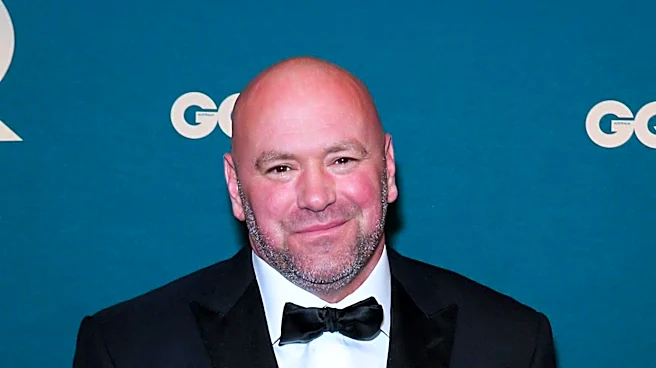
MMA legend Fedor Emelianenko has publicly criticized UFC President Dana White, accusing him of consistently changing his narrative regarding past negotiations to bring Emelianenko into the UFC. Emelianenko stated that White's accounts have varied, from
expressing regret over not signing him to later claiming he was glad the deal never materialized. This comes after White admitted on The Pivot podcast that he and Lorenzo Fertitta were relieved Emelianenko did not sign with the UFC. Emelianenko highlighted a pattern where the UFC would show interest only when he was under contract with other promotions, making a signing impossible due to potential legal issues. He expressed dissatisfaction with White's business practices, stating that White 'simply doesn’t stand by his words' and that his way of doing business 'doesn’t sit well' with him. Emelianenko also recounted instances where the UFC approached him while he was a free agent, but no deal was made, only for offers to resurface when he was contractually bound.
Why It's Important?
This public disagreement between Fedor Emelianenko and Dana White underscores long-standing tensions and differing perspectives on a significant 'what-if' scenario in MMA history. For UFC, it highlights a persistent narrative about their past negotiation tactics, particularly concerning high-profile fighters. Emelianenko's comments suggest a perceived lack of sincerity or strategic maneuvering by the UFC in their attempts to sign him, potentially impacting how other fighters and their management view future dealings with the promotion. The controversy also sheds light on the complexities of fighter contracts and promotional rivalries, where legal and contractual obligations can prevent major matchups. For fans, it reignites discussions about one of the most anticipated fights that never happened, potentially influencing perceptions of both Emelianenko's legacy and White's business ethics within the sport.
What's Next?
While Emelianenko is retired from MMA, his recent comments could prompt further discussion within the combat sports community regarding historical negotiations and the business practices of major promotions like the UFC. Dana White may choose to respond to Emelianenko's accusations, potentially offering another perspective on the past dealings. This exchange could also influence how current and future fighters approach contract negotiations, possibly leading to increased scrutiny of promotional offers and a greater emphasis on clear, consistent communication. The ongoing dialogue about fighter welfare and contractual transparency in MMA may gain renewed attention as a result of these remarks, particularly concerning the balance of power between promoters and athletes.
Beyond the Headlines
The enduring friction between Emelianenko and White extends beyond a simple contractual dispute; it touches upon the ethical dimensions of business in professional sports. Emelianenko's assertion that White 'always changes his story' and 'doesn’t stand by his words' points to a deeper issue of trust and integrity in high-stakes negotiations. This narrative contributes to a broader conversation about the power dynamics within combat sports, where promoters often hold significant leverage over fighters. The repeated pattern of UFC interest only when Emelianenko was under contract suggests a strategic approach that, while potentially legal, raises questions about fairness and genuine intent. This situation highlights how historical grievances can persist and shape public perception of key figures and organizations within an industry, influencing fan loyalty and the sport's overall image.