







What's Happening?
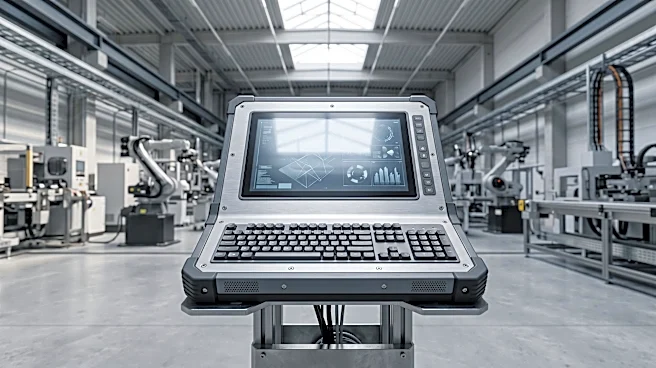
The Buy American Act (BAA), enacted in 1933, mandates that manufactured articles purchased for public use by the U.S. government must be substantially made from domestic materials and manufactured in the United States. For industrial computers, compliance
hinges on two tests: the product must be manufactured in the U.S., and the cost of its domestic components must exceed a specified percentage of the total component cost. For deliveries between 2024 and 2028, this threshold is 65 percent, rising to 75 percent in 2029. The Federal Acquisition Regulation (FAR) and Defense Federal Acquisition Regulation Supplement (DFARS) govern these rules, though the definition of 'manufacture' remains open to interpretation. The Trade Agreements Act (TAA) offers a different compliance path, allowing products from designated countries (like Taiwan, Japan, South Korea, and Germany, but not China) to be considered, even if manufactured abroad, provided they are substantially transformed. TAA compliance does not, however, equate to BAA compliance.
Why It's Important?
These regulations significantly impact companies supplying industrial computers and other manufactured goods to U.S. government agencies, including the Department of Defense (DoD). Vendors must accurately certify the origin of their products, as false certifications can lead to severe penalties under the False Claims Act, as evidenced by recent settlements. The distinction between BAA and TAA compliance is crucial for businesses, as a product can be TAA compliant without meeting BAA requirements. This complexity necessitates thorough understanding and verification of supply chains. The rules aim to bolster domestic manufacturing and support American jobs, but they also create challenges for companies relying on global supply chains, particularly for components like processors, memory, and displays. The varying thresholds and exceptions, such as for commercially available off-the-shelf (COTS) items, add layers of complexity for procurement officers and suppliers alike.
What's Next?
The Buy American rules are stable as of September 2026, but a government-wide rewrite of the FAR is ongoing, which could introduce further changes. Executive Order 14392, issued in March 2026, directs agencies to periodically verify 'Buy American Act' and similar American-origin claims and refer misrepresentations to the Department of Justice. This indicates a continued focus on enforcement and accountability. Companies like Dynics, which engineer, fabricate, assemble, and test industrial systems in the U.S. using global components, must provide detailed documentation to prove compliance. Future developments may include clearer definitions of 'manufacture' and further adjustments to domestic content thresholds. Businesses must remain vigilant in tracking regulatory updates and ensuring their certifications are accurate to avoid legal repercussions.
Beyond the Headlines
The Buy American Act and related trade regulations reflect a broader national strategy to strengthen domestic industrial capabilities and reduce reliance on foreign supply chains, particularly in critical sectors. This policy has implications beyond direct government procurement, influencing investment decisions and manufacturing strategies across the U.S. industrial base. The ongoing debate over what constitutes 'made in America' highlights the complexities of a globalized economy where components often originate from multiple countries. The legal and ethical dimensions of certification, coupled with the potential for significant financial penalties for non-compliance, underscore the importance of transparency and due diligence in corporate supply chain management. This push for domestic content also raises questions about international trade relations and potential impacts on global competitiveness.