



What's Happening?
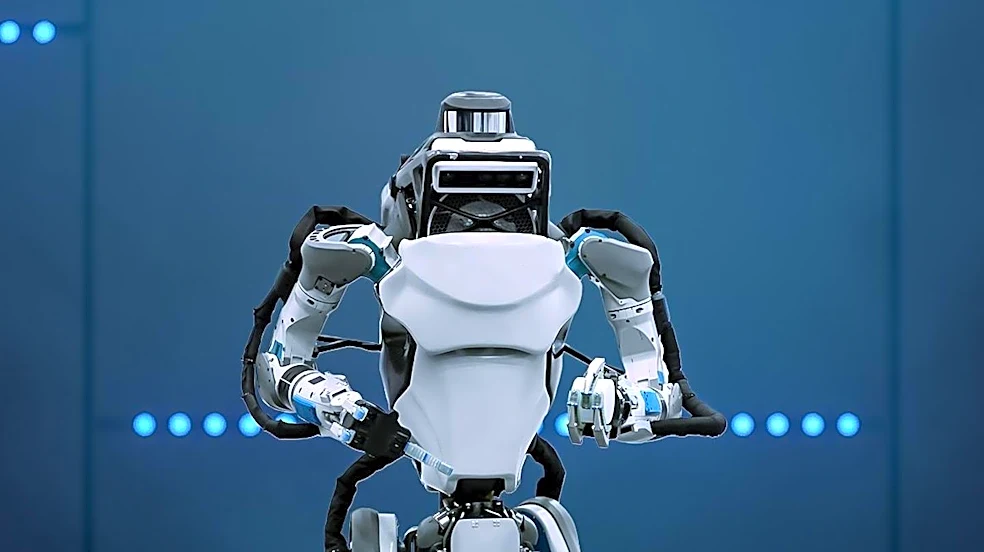
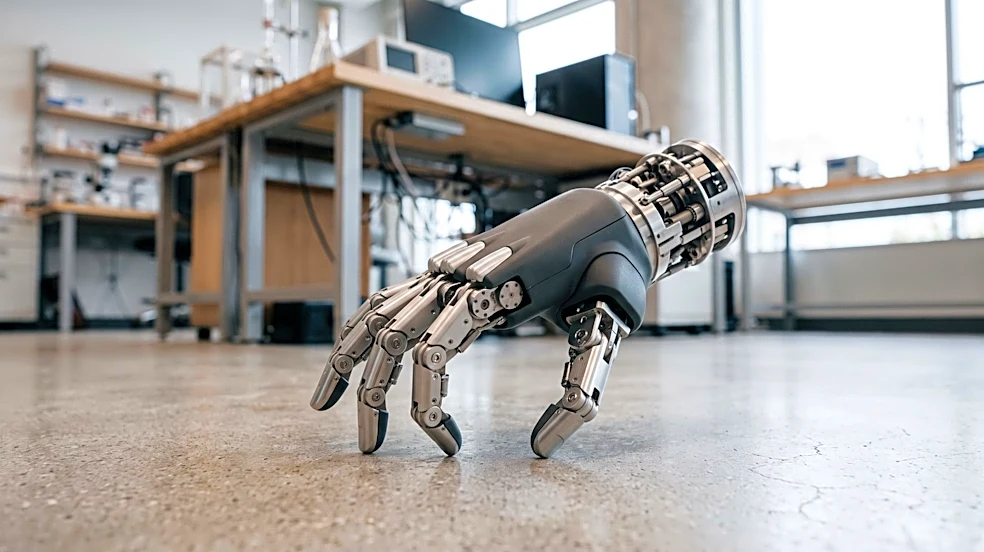
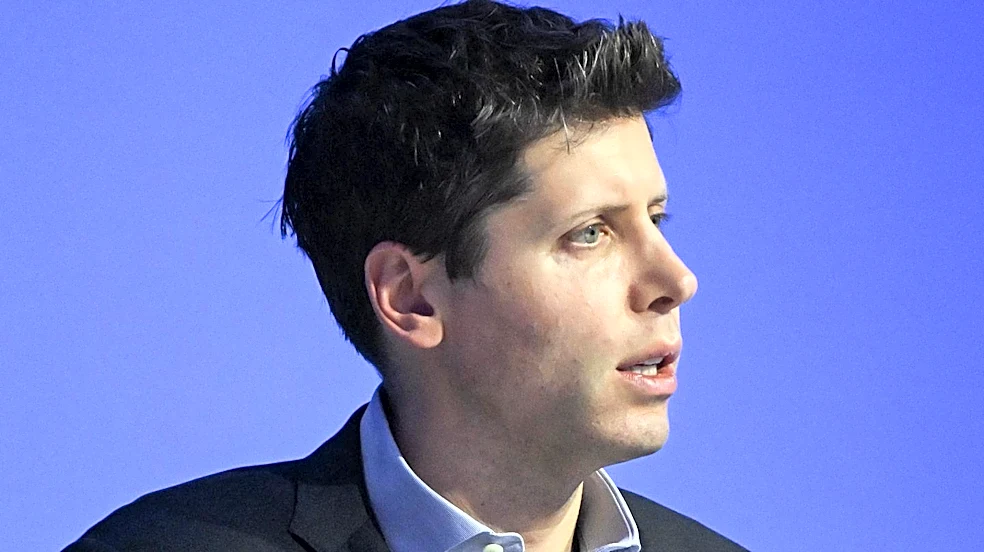
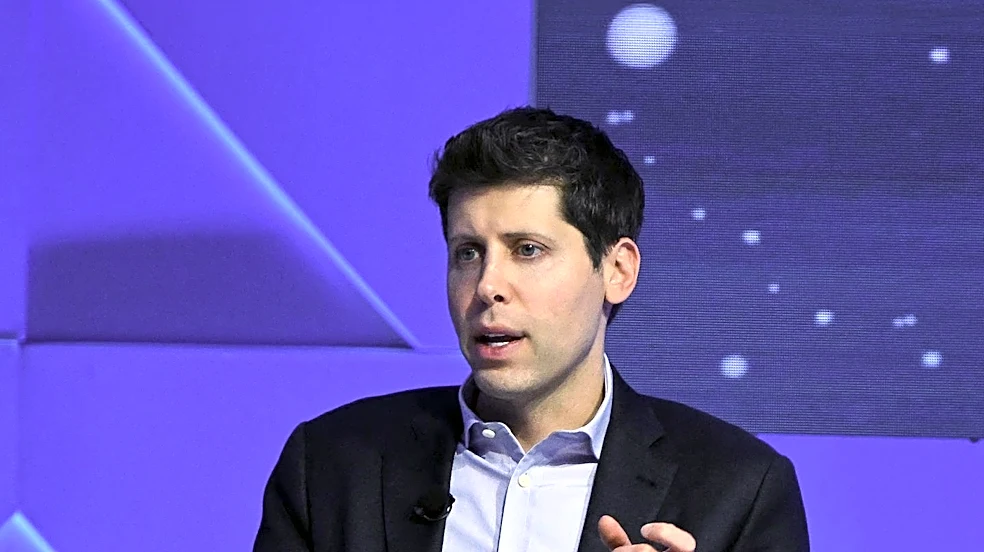
OpenAI CEO Sam Altman has publicly confirmed the company's plans to develop its own humanoid robots, with a demonstration targeted for 2027. This marks a significant strategic shift for OpenAI, which previously focused on providing AI models to the robotics
industry. The company is now actively building its own hardware, including custom actuators and motors, and has leased a 202,000-square-foot facility in Richmond, California, to generate proprietary embodied training data. This facility, equipped with 76 robot workstations, aims to address the shortage of physical-world training data that contributed to the closure of OpenAI's first robotics program in 2020. The company's approach relies on Vision-Language-Action (VLA) models, extending the transformer-based architecture used in GPT and Sora to produce physical action sequences. This move positions OpenAI as a direct competitor to companies like Figure AI and 1X Technologies, which previously utilized OpenAI's foundation models.
Why It's Important?
OpenAI's entry into humanoid robot manufacturing significantly alters the competitive landscape of the AI and robotics industries. By vertically integrating from AI models to hardware, OpenAI aims to capture the full value chain, similar to the strategies employed by Apple and Tesla. This shift challenges existing partnerships, as evidenced by Figure AI's preemptive termination of its collaboration with OpenAI in February 2025 to develop its own AI foundation model. The move suggests a growing industry consensus that owning both the 'brain' (AI models) and the 'body' (robot hardware) is crucial for optimal development and competitive differentiation. The development of humanoid robots capable of operating in human-designed environments could revolutionize various sectors, from manufacturing and logistics to personal assistance, by automating tasks that are currently difficult or impossible for specialized robots. The success of OpenAI's 2027 demo will be a critical indicator of its ability to bridge the gap between simulated and real-world performance in robotics.
What's Next?
The immediate next step for OpenAI is to deliver on its promise of a 'cool demo' in 2027. While the company has not yet revealed specific details about the robot's design, capabilities, or manufacturing partners, the demo will serve as a proof of concept for its integrated AI and hardware strategy. Following a successful demonstration, OpenAI will likely focus on refining its humanoid robot technology and scaling production, which presents significant manufacturing challenges. The company's long-term vision, as articulated by Sam Altman, includes a future where every person has their own robot to handle undesirable tasks, and eventually, robots managing supply chains themselves. This trajectory suggests a phased deployment, starting with industrial applications and gradually expanding to home environments. The competitive response from other robotics companies, particularly 1X Technologies, which has an existing investment relationship with OpenAI, will be closely watched as they decide whether to continue relying on OpenAI's AI or develop their own independent foundation models.
Beyond the Headlines
OpenAI's venture into humanoid robotics raises profound ethical, legal, and societal questions. The development of highly capable humanoid robots could lead to significant shifts in labor markets, potentially displacing human workers in various industries. Concerns about privacy are also paramount, especially for home-use robots equipped with cameras and microphones. The potential for these advanced AI systems to operate autonomously and make decisions in complex environments necessitates robust safety protocols and regulatory frameworks. Furthermore, the 'sim-to-real transfer problem' – the challenge of ensuring robots trained in simulation perform reliably in the physical world – highlights the inherent complexities and potential risks of deploying such technology. The broader implications extend to the dual-use nature of AI, where advanced capabilities developed for beneficial purposes could also be misused, as seen in incidents where AI models crossed security boundaries. The debate around defining 'imminent risk' for AI models, as proposed in Anthropic's AI safety legislation, underscores the ongoing struggle to establish appropriate guardrails for rapidly advancing AI technologies.