




What's Happening?
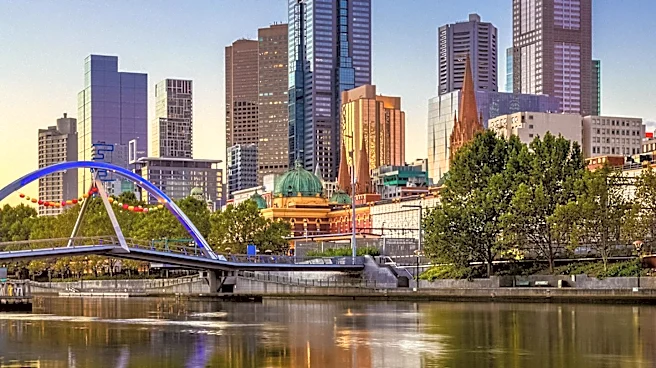
Melbourne, Australia, has been recognized for its vibrant coffee culture and thriving art scene. The city is known for high-quality coffee specialties such as the flat white, a double espresso with steamed milk, and the 'magic,' a double ristretto with milk.
This strong coffee tradition is attributed to post-World War II European immigration and a focus on quality standards. Beyond coffee, Melbourne's laneways are celebrated for their street art, which began in the 1990s as a means of public communication and artistic expression. Notable art-filled laneways include Caledonian Lane, Hozier Lane, and AC/DC Lane, the latter dedicated to the Australian rock band. The city also boasts a diverse cultural landscape, with over 160 cultures represented and more than half of its residents being foreign-born, speaking over 150 languages. This cultural richness is further highlighted by various international festivals and institutions like the Immigration Museum. Melbourne was also named the world's top food destination for 2025.
Why It's Important?
Melbourne's recognition as a global leader in coffee and art highlights the economic and cultural benefits of fostering unique urban identities. The city's robust coffee industry, fueled by historical immigration and a commitment to quality, creates jobs and attracts tourism, contributing significantly to the local economy. The thriving street art scene not only enhances the city's aesthetic appeal but also serves as a platform for cultural expression and engagement, drawing visitors interested in its artistic heritage. This blend of culinary excellence and artistic innovation positions Melbourne as a desirable destination, boosting its international profile and attracting both tourists and potential residents. The diverse cultural makeup, with a large foreign-born population and numerous languages spoken, enriches the social fabric and fosters a dynamic, inclusive environment, which can lead to further innovation and economic growth. This model demonstrates how investing in cultural assets can yield substantial returns in terms of reputation, tourism, and overall urban vitality.
What's Next?
Melbourne is expected to continue leveraging its reputation as a top food and coffee destination, potentially leading to increased tourism and further investment in its hospitality sector. The ongoing development of its street art scene suggests continued artistic innovation and cultural engagement, which could attract more artists and art enthusiasts. The city's diverse population and multicultural events are likely to remain a cornerstone of its identity, fostering continued social cohesion and cultural exchange. Efforts to promote Melbourne's unique offerings, such as guided tours of its laneway art and its specialty coffee shops, will likely intensify to capitalize on its growing international recognition. The city's status as the world's top food destination for 2025 will likely be a focal point in its marketing and tourism strategies, aiming to draw a larger global audience.
Beyond the Headlines
The success of Melbourne's coffee and art scenes reflects a deeper urban planning philosophy that values cultural authenticity and community engagement. The transformation of laneways into vibrant art galleries, for instance, demonstrates how underutilized urban spaces can be repurposed to foster creativity and public interaction. This approach not only beautifies the city but also creates a sense of place and belonging for residents and visitors alike. The strong influence of post-World War II immigration on Melbourne's coffee culture underscores the profound impact of diverse populations on shaping a city's identity and economy. It highlights how cultural exchange can lead to unique culinary traditions and industries. Furthermore, the city's commitment to preserving and promoting its artistic and culinary heritage suggests a long-term vision for sustainable urban development that prioritizes cultural capital alongside economic growth, offering a model for other global cities seeking to enhance their distinctiveness.