





What's Happening?
Cameroon Telecommunications (Camtel), the state-owned operator, is demanding increased rental rates for its dark fiber network, asserting that current tariffs have led to a CFA311 billion revenue loss over the past decade. Camtel claims these rates are
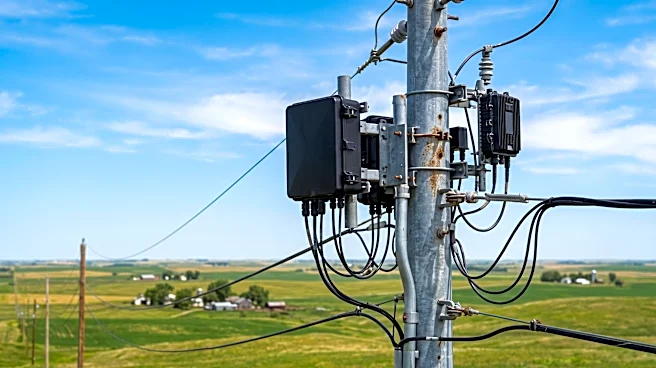
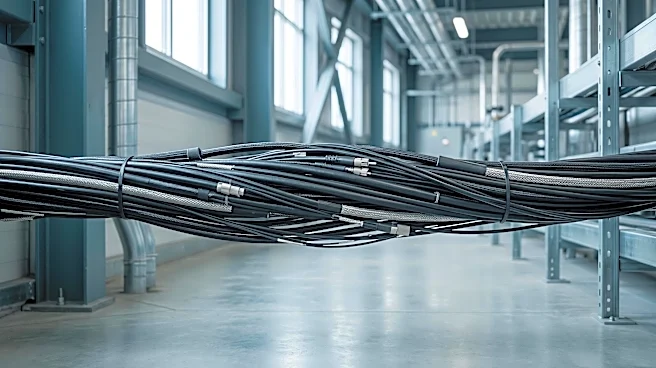
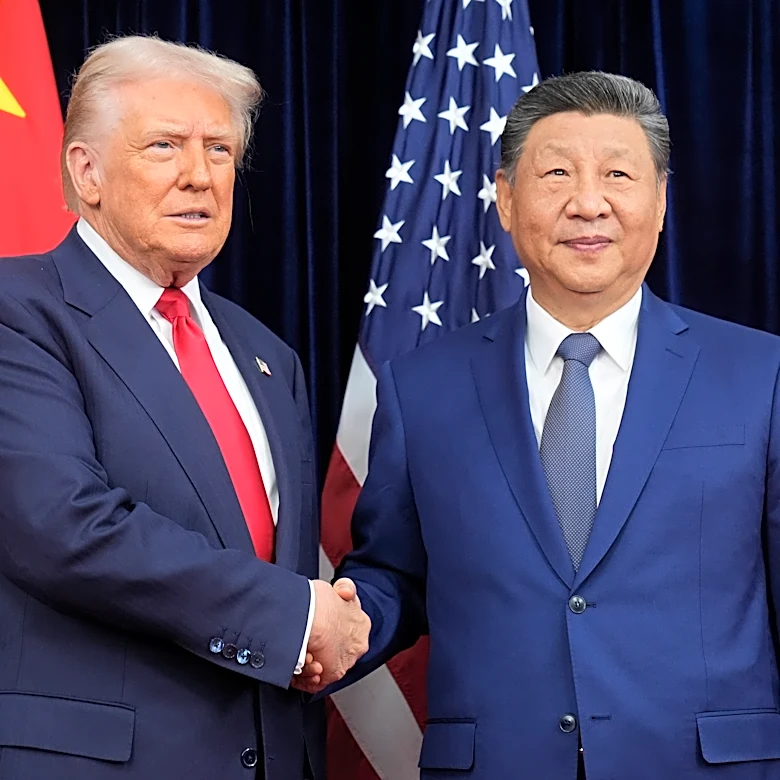
below its operating costs, resulting in an estimated annual shortfall of CFA31 billion. This demand comes as the Telecommunications Regulatory Agency (ART) criticizes Camtel for the deteriorating condition of the national fiber-optic network it manages. ART's preliminary audit findings, released on November 10, 2026, detail recurring outages, unavailable network sections, and defects in optical equipment and civil engineering infrastructure across 112 backbone sections. Camtel disputes ART's conclusions, citing vandalism, road construction, and inherited network problems as contributing factors, and argues that mobile operators also bear responsibility for service quality. In response to network concerns, Camtel announced a CFA148 billion investment for the fourth phase of the national backbone project (BB4), with presidential authorization secured on March 6, 2026, for a CFA108.4 billion loan agreement with the Export-Import Bank of China (China Eximbank).
Why It's Important?
This dispute highlights critical issues in Cameroon's telecommunications infrastructure and its impact on national connectivity and economic development. Camtel's claim of significant revenue loss due to underpriced fiber rental rates, if substantiated, could impede its ability to maintain and upgrade essential network infrastructure, affecting service quality for all telecom users. The ART's findings of widespread network deterioration underscore a potential crisis in national digital infrastructure, which is vital for business operations, public services, and individual communication. The financial implications extend beyond Camtel, as ART estimates that these interruptions have caused billions of CFA francs in lost revenue across the broader telecommunications sector. The situation also raises questions about regulatory oversight, pricing mechanisms for public infrastructure, and the financial sustainability of state-owned enterprises in critical sectors.
What's Next?
The immediate next steps involve further engagement between Camtel and ART to resolve the dispute over fiber rental rates and network maintenance responsibilities. Camtel's demand for higher rates will likely undergo scrutiny from ART, which will need to verify the claimed revenue losses and operating costs. The financing for the BB4 project, particularly the disbursement of the CFA108.4 billion loan from China Eximbank, will be crucial for addressing network deficiencies. Camtel will need to detail how much of the CFA148 billion budget will be allocated to rehabilitating the identified deteriorating sections. The outcome of this dispute could set precedents for infrastructure pricing and regulatory enforcement in Cameroon's telecom sector, potentially leading to revised tariff structures or increased regulatory penalties for non-compliance with maintenance standards. The broader telecommunications industry will be closely watching, as any changes could affect their operational costs and service delivery.
Beyond the Headlines
The conflict between Camtel and ART reflects a common challenge in developing economies: balancing the need for affordable public services with the financial sustainability of state-owned infrastructure providers. The reliance on external financing, such as the loan from China Eximbank, highlights the ongoing role of international lenders in funding critical infrastructure projects in Africa. However, it also raises questions about debt implications and the terms of such agreements. The dispute also touches upon the broader issue of digital divide and equitable access to reliable internet services, as a poorly maintained national backbone disproportionately affects remote areas and smaller businesses. Ethically, ensuring fair pricing for infrastructure while maintaining quality and accessibility is a complex balancing act that impacts national competitiveness and citizen welfare. The situation could also prompt a re-evaluation of public-private partnerships in managing and investing in national infrastructure.