
What's Happening?
Amazon and Meta are reportedly in discussions concerning the potential restoration of Meta's AI shopping agent, Muse, to Amazon's online store. Amazon had previously blocked Muse's access in September
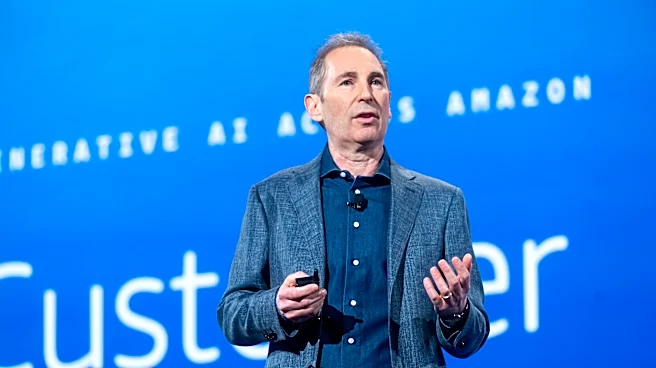
2026, less than two weeks after its launch, preventing users from completing purchases on Amazon through the agent. The ongoing negotiations aim to resolve key issues, including how Muse would present search results and integrate advertising within the shopping experience. Meta CEO Mark Zuckerberg stated in October that over a quarter of Muse users were utilizing it for shopping, with an average purchase value exceeding $200. Conversely, Amazon CEO Andy Jassy expressed a more cautious view on external shopping agents, noting that few customers were buying through them.
Why It's Important?
These discussions are significant for the future of AI-driven e-commerce and the competitive landscape between major tech companies. Amazon's initial blockade of Muse highlighted its concerns about maintaining direct customer relationships, controlling advertising revenue, and ensuring service quality when third-party AI agents facilitate purchases. If an agreement is reached, it could set a precedent for how e-commerce giants interact with external AI shopping platforms, potentially opening new avenues for consumer access and sales. For Meta, gaining direct access to Amazon's vast product catalog through Muse would significantly enhance the agent's utility and Meta's position in the e-commerce sector. The outcome will influence how consumers discover and purchase products online, potentially shifting power dynamics between platforms and AI developers.
What's Next?
The ongoing negotiations will likely focus on establishing clear protocols for search result presentation, advertising integration, and data sharing to address Amazon's concerns. A successful resolution could lead to Muse regaining access to Amazon's store, potentially transforming the online shopping experience for users who prefer AI-assisted purchasing. However, if an agreement is not reached, Meta may need to explore alternative strategies for Muse's e-commerce functionality, possibly by partnering with other retailers or developing its own direct shopping capabilities. The outcome will also inform future policies regarding AI agent interoperability across different digital platforms, impacting how other tech companies approach similar integrations.
Beyond the Headlines
The conflict and subsequent negotiations between Amazon and Meta over Muse underscore a broader tension in the digital economy: the control over the customer journey and the monetization of online interactions. Amazon's reluctance to grant unfettered access reflects a desire to protect its direct relationship with consumers and its lucrative advertising business. The rise of AI shopping agents like Muse challenges traditional e-commerce models by potentially disintermediating the direct platform-to-consumer link. This situation raises fundamental questions about data ownership, competitive practices, and the future of digital marketplaces. The resolution of these talks could influence regulatory approaches to AI in commerce and shape the ethical guidelines for how AI agents operate within complex digital ecosystems.