



What's Happening?
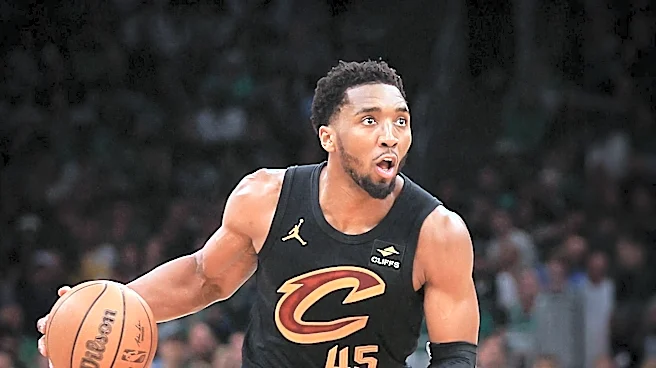
The Cleveland Cavaliers have entered a multi-year agreement with DAZN, a European streaming platform, to provide exclusive access to the team's local broadcasts starting with the upcoming season. This partnership marks DAZN's continued expansion into
the U.S. market, following similar deals with other NBA teams and New York's NBA, MLB, and NHL teams. The Cavaliers will move their game production in-house through the Rock Entertainment Sports Group, planning to enhance the viewing experience with advanced technology, including AI, an increase in cameras from six to 19, and COSM's 10.5K ultra-high video resolution. Fans will have options to customize their viewing experience with alternate broadcasts or multi-view setups. The team's in-game broadcast team, including play-by-play announcer John Michael and analyst Brad Daugherty, will return. While primarily a streaming option, 15 games will be simulcast with a local television partner, an increase from five last season. DAZN offers various subscription tiers, including monthly and season passes, with options for multiple streams and additional features.
Why It's Important?
This deal signifies a significant shift in how local sports content is distributed in the U.S., moving away from traditional cable and satellite providers towards direct-to-consumer streaming. For the Cleveland Cavaliers, it represents an opportunity to modernize their broadcast experience and potentially reach a broader audience, especially younger demographics who prefer streaming services. For DAZN, it solidifies its position as a growing player in the competitive U.S. sports streaming market, challenging established broadcasters and tech giants. This trend could lead to more sports teams adopting similar streaming-first strategies, potentially disrupting the traditional regional sports network model. While it offers flexibility and enhanced viewing options for some fans, it also raises concerns for those without reliable internet access or who prefer traditional television, potentially creating a divide in access to local sports content. The increased investment in production quality by the Cavaliers also sets a new standard for local sports broadcasts.
What's Next?
The upcoming season will serve as a crucial test for this new streaming model, with fan adoption and feedback being key indicators of its success. The Cavaliers and DAZN will need to effectively communicate the benefits of the new platform and address any technical or accessibility challenges faced by fans. Details regarding the local television partner for the 15 simulcast games are expected to be announced, which will be important for fans who still rely on traditional TV. Other NBA teams, particularly those whose local broadcast rights are in flux due to the insolvency of Main Street Sports Group, will likely observe the outcome of this partnership closely. DAZN's continued expansion in the U.S. market suggests that more such deals with other sports franchises are probable, further accelerating the shift towards streaming for local sports content. The platform's ability to integrate advanced viewing features like AI and multi-view options could also influence future broadcast innovations across the sports industry.
Beyond the Headlines
This partnership highlights a broader industry trend where sports leagues and teams are seeking more direct relationships with their fans, bypassing traditional media intermediaries. This direct-to-consumer approach allows for greater control over content, production quality, and monetization strategies. The emphasis on advanced technology, such as AI and high-resolution cameras, reflects a growing demand for immersive and personalized viewing experiences, pushing the boundaries of sports broadcasting. However, this shift also raises questions about digital equity and accessibility, as not all fans may have the necessary internet infrastructure or financial means to subscribe to multiple streaming services. The move could also lead to a fragmentation of sports content, requiring fans to subscribe to numerous platforms to follow their favorite teams and leagues, potentially increasing costs and complexity. Ultimately, this deal is a microcosm of the ongoing transformation in media consumption, where convenience, personalization, and technological innovation are reshaping how audiences engage with live sports.